
Management Approach
The company is committed to fostering a safety culture and systematically managing occupational health and safety across the entire organization. Accordingly, it has established the "Occupational Health, Safety, and Working Environment Policy," requiring all executives, employees, and personnel working under the company's control to strictly comply with relevant laws, regulations, and standards.
The company's operational approach aligns with Thailand's safety laws and regulations, including the Occupational Safety, Health and Environment Act B.E. 2554 (2011), the Ministerial Regulation on the Provision of Occupational Safety Officers, Personnel, Agencies, or Bodies for Safety Management in Workplaces B.E. 2565 (2022), notifications from the Department of Labour Protection and Welfare, and other related legislation, such as the Hazardous Substances Act B.E. 2535 (1992) (and its amendments).
Furthermore, the company has adopted the ISO 45001:2018 Occupational Health and Safety Management System as a framework to systematically manage the safety and health risks of workers. In 2025, 100% of the operating areas within the company's reporting scope—consisting of both its locations: the Buriram office and production plant, and the Bangkok sales office—achieved ISO 45001:2018 certification.
In tandem with this certified management system, the company has also implemented the Environmental and Social Management System (ESMS) framework. This serves as an additional mechanism to identify, assess, manage, and monitor environmental, social, and safety risks and impacts associated with its operations, thereby supporting comprehensive risk governance.

Performance 2025
The company assigns the Safety and Occupational Health Department, in collaboration with relevant departments, to conduct hazard identification and occupational health and safety risk assessments. This process covers all types of activities associated with the company's operations, including both routine and non-routine activities of employees and contractors working within company premises. It also includes occupational health and safety risk assessments prior to launching new projects or activities—such as modifications to production processes, installation or utilization of new machinery and equipment, introduction of new chemicals, workplace alterations, and adjustments to transport formats or routes—to ensure that potential risks are evaluated right from the planning stage and before operations begin.
The risk assessments evaluate work process activities, the nature of the tasks, operational areas, and the surrounding environment to identify potential hazards in each activity, while analyzing occurrence patterns, contributing causes, and impacts that could lead to loss of life or property damage. Those involved in risk assessments must possess the appropriate knowledge, understanding, and capabilities relevant to the nature of the work and the associated hazards.
The company utilizes the gathered data to assess the likelihood and severity of potential impacts to define approaches and establish risk control measures or action plans. These are strictly enforced across all levels of employees and contractors working within the company. Risk control measures are determined based on a hierarchy of controls, ranging from eliminating hazardous activities and improving work methods or protection systems, to utilizing personal protective equipment (PPE), with the goal of managing risks down to an acceptable level. Department heads or relevant personnel are required to jointly review risk assessment results at least once a year, or whenever changes occur that impact the occupational health and safety management system—such as modifications to work processes, the introduction of new equipment, or changes in relevant external factors. Reviews are also triggered by accidents, near-miss incidents, or indications that existing control measures may be insufficient, thereby ensuring the safety of employees and contractors, reducing work-related hazards, and promoting the development of a safe work environment that aligns with occupational health standards.
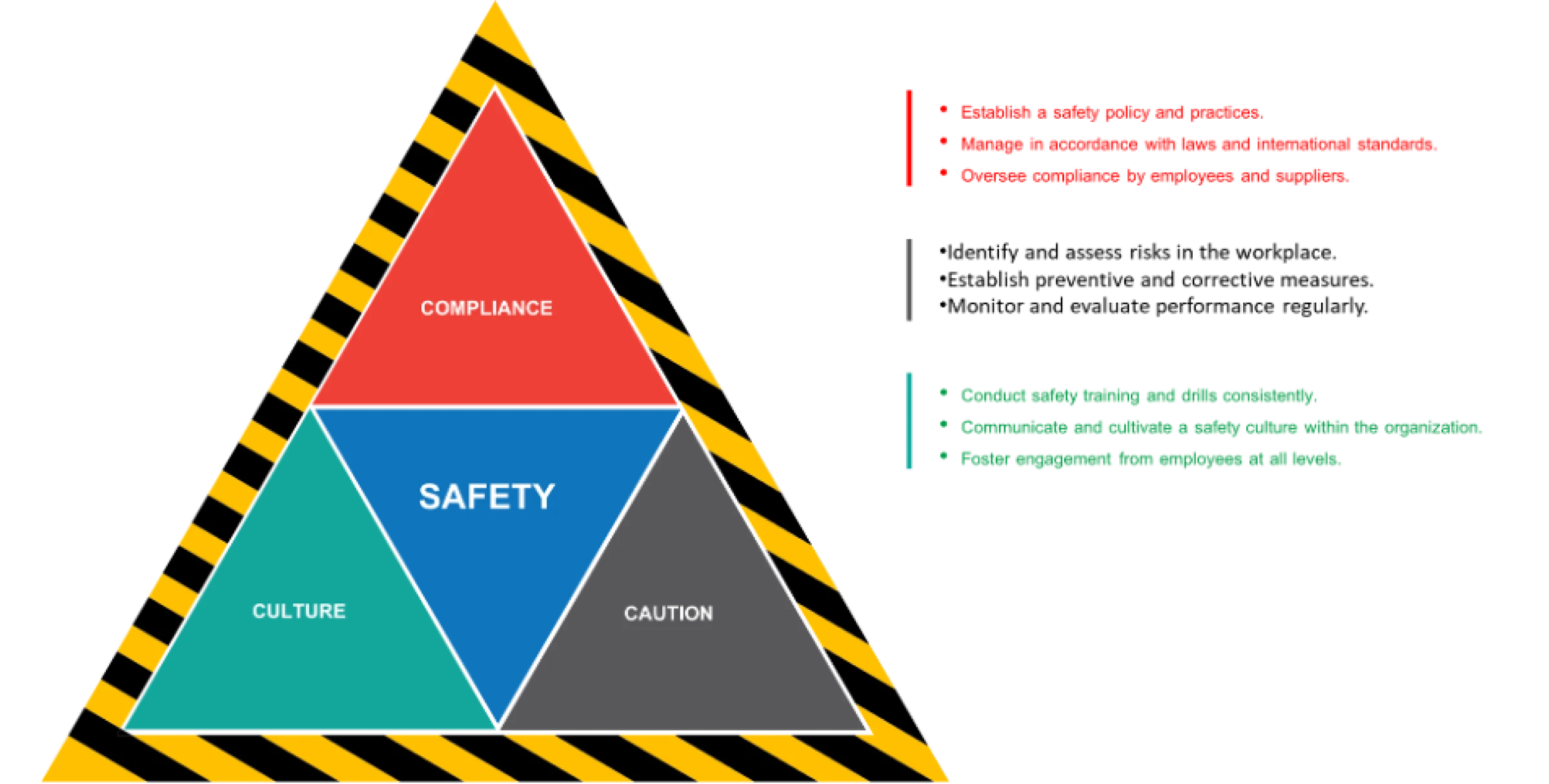
The company employs the 3Cs strategy: 'Compliance, Caution, Culture' to manage and ensure the safety of employees and the labor of suppliers working in the company’s facilities as follows:
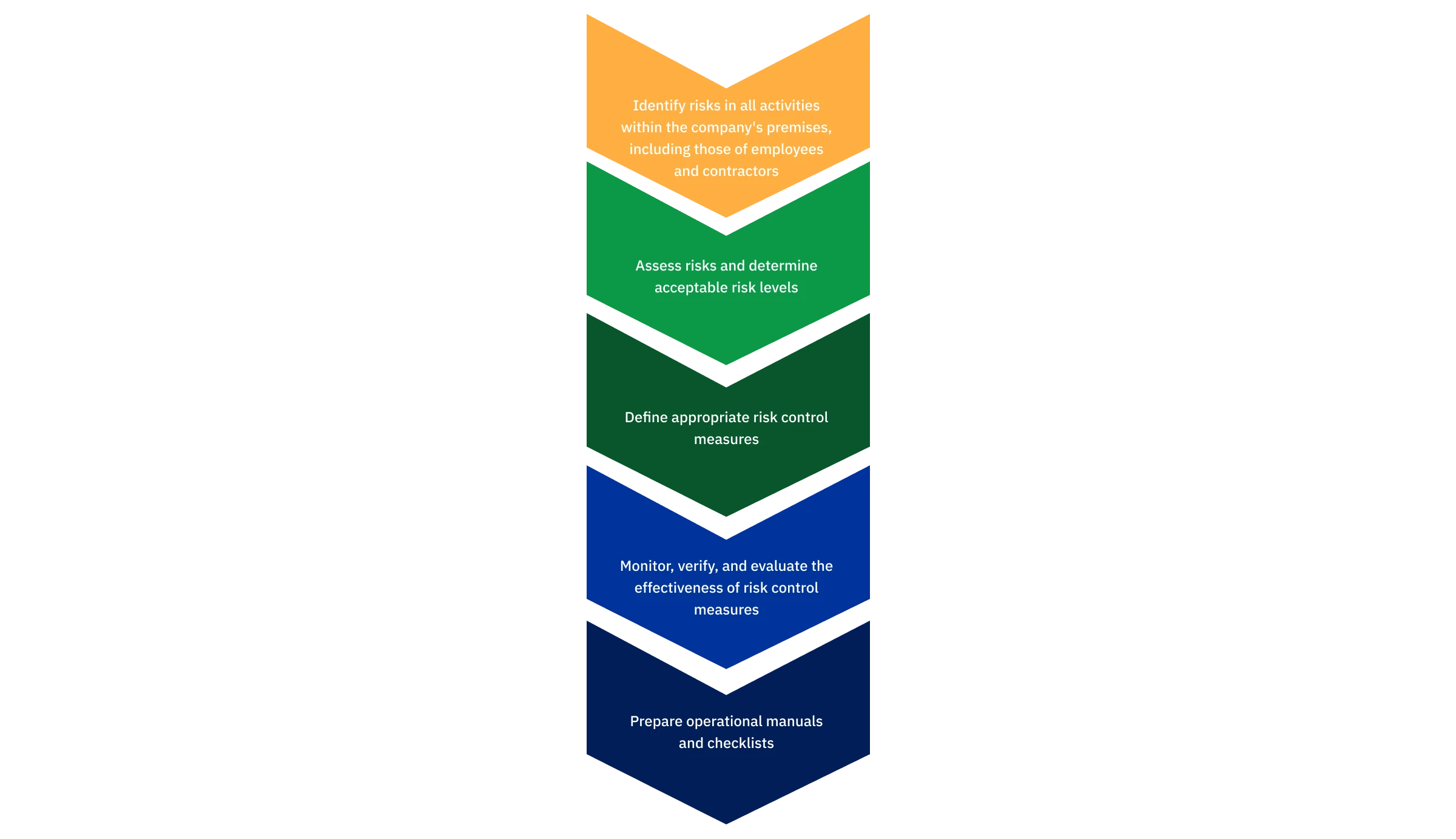
Identification and Assessment of Health and Safety Risks in the Workplace
The company assigns the Safety and Occupational Health Department, in collaboration with relevant departments, to conduct hazard identification and occupational health and safety risk assessments. This process covers all types of activities associated with the company's operations, including both routine and non-routine activities of employees and contractors working within company premises. It also includes occupational health and safety risk assessments prior to launching new projects or activities—such as modifications to production processes, installation or utilization of new machinery and equipment, introduction of new chemicals, workplace alterations, and adjustments to transport formats or routes—to ensure that potential risks are evaluated right from the planning stage and before operations begin.
The risk assessments evaluate work process activities, the nature of the tasks, operational areas, and the surrounding environment to identify potential hazards in each activity, while analyzing occurrence patterns, contributing causes, and impacts that could lead to loss of life or property damage. Those involved in risk assessments must possess the appropriate knowledge, understanding, and capabilities relevant to the nature of the work and the associated hazards.
The company utilizes the gathered data to assess the likelihood and severity of potential impacts to define approaches and establish risk control measures or action plans. These are strictly enforced across all levels of employees and contractors working within the company. Risk control measures are determined based on a hierarchy of controls, ranging from eliminating hazardous activities and improving work methods or protection systems, to utilizing personal protective equipment (PPE), with the goal of managing risks down to an acceptable level. Department heads or relevant personnel are required to jointly review risk assessment results at least once a year, or whenever changes occur that impact the occupational health and safety management system—such as modifications to work processes, the introduction of new equipment, or changes in relevant external factors. Reviews are also triggered by accidents, near-miss incidents, or indications that existing control measures may be insufficient, thereby ensuring the safety of employees and contractors, reducing work-related hazards, and promoting the development of a safe work environment that aligns with occupational health standards.
Based on the occupational health and safety risk assessments categorized by job characteristics and work locations across the company's processes in 2025, the company identified four high-priority risks that could significantly impact both workers and the organization: machinery and equipment accidents, chemical accidents, fire incidents, and electrical accidents. Consequently, the company has comprehensively reviewed and enhanced its risk control measures to keep risks within acceptable levels and rigorously prevent recurrences. This was driven particularly by two significant safety incidents that occurred in 2025: a fire incident and an electric shock accident. The company conducted thorough incident investigations, analyzed the root causes, reviewed risk assessment findings, and established additional corrective and preventive measures to integrate lessons learned into the continuous improvement of its occupational health and safety management system.
| Risk Issue | Risk Factor | Preventive and Controlling Measure |
|---|---|---|
| Accidents involving machinery and equipment | Operators lack knowledge and expertise in the use of machinery and equipment, such as pivot points, pinch points, and conveyor systems. |
|
| Machinery and equipment are old, damaged, or not operational. |
|
|
| Operators do not have appropriate and sufficient personal protective equipment. |
|
|
| Operators are negligent. |
|
|
| Risk management measures are not sufficiently effective. |
|
|
| Chemical accidents | Improper and inadequate storage of hazardous chemicals |
|
| Inappropriate or insufficient personal protective equipment for chemical use |
|
|
| Chemical leaks or spills |
|
|
| Lack of employee knowledge and understanding regarding the handling of specific chemicals |
|
|
| Fire incidents | Condition of electrical machinery and equipment, including old or damaged wiring |
|
| Inadequate location and method for storing flammable chemicals |
|
|
| Operating manual/procedures for work involving heat and sparks did not cover the risks |
|
|
| Insufficient or unserviceable fire prevention and suppression equipment |
|
|
| Employees lack knowledge and experience in basic fire extinguishing procedures. |
|
|
| Communication regarding fire prevention and suppression measures was not comprehensive. |
|
|
| Electrical accidents | Electrical safety standards or regulations were not comprehensive. |
|
| Inspecting the use of machinery, equipment, and electrical systems |
|
|
| A lack of ongoing efforts to build knowledge, understanding, and safety awareness regarding work |
|
|
| Non-compliance with wearing personal protective equipment (PPE) |
|
|
| No permit-to-work (PTW) system for high-risk tasks |
|
Reporting and Investigation of Irregular Incidents or Accidents Occurring During Work
The company provides opportunities for employees and contractors to report hazards, unsafe working conditions, accidents, or near-miss incidents through designated channels. Reports can be made directly to supervisors, the Safety and Occupational Health Department, or through the company’s suggestion and complaint channels. In this regard, the company prioritizes the protection of individuals who report incidents in good faith and grants employees the right to stop working or withdraw themselves from situations where they believe there is an imminent and serious danger to life or health, without facing penalties or negative consequences for such reporting or actions.
In the event of an accident, abnormal incident, or near-miss during operations, the company requires the affected individual or their supervisor to submit a written incident report. A thorough investigation and analysis of the accident or abnormality is then conducted by the Safety and Occupational Health Department in collaboration with the owners of the relevant departments. Together, they identify root causes and establish corrective and preventive measures to ensure similar incidents do not recur in the future. Additionally, the investigation results, lessons learned, and recommendations are communicated to other departments to foster organizational learning and increase safety vigilance.
In 2025, the company experienced 9 work-related abnormalities or accidents during operations. The company conducted incident investigations, analyzed the causes and relevant factors, reviewed risk control measures, and established additional corrective and preventive measures to prevent recurrence. A summary of the details is as follows:
Health Services Related to Work
The company prioritizes the health and safety of employees and contractors working on its premises, recognizing that both physical and mental well-being are key factors for safety and operational efficiency. Consequently, the company provides work-related health services to support the prevention of occupational diseases and injuries, as well as to monitor occupational health risk factors within the working environment. These operations encompass working environment measurements based on the risk factors of each specific area—such as measuring light intensity, noise, heat, dust, and chemicals—alongside pre-employment health checks and annual health check-ups. These checks assess readiness for work and monitor health impacts potentially related to the nature of the tasks or the working environment. Furthermore, the company utilizes these environmental measurement and relevant health check results to support risk assessments, define control measures, improve work areas, and provision personal protective equipment suitable for the nature of the work and risk levels.
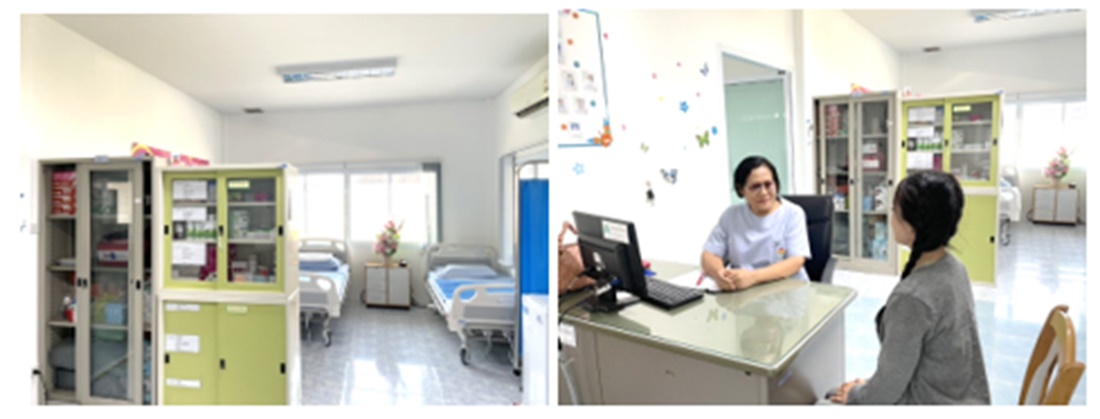
In addition, the company provides an on-site medical room to deliver health services to employees and contractors working within the premises, staffed by a professional nurse 24 hours a day and equipped with sufficient medicine and medical supplies to support timely care and first aid in the event of an accident or illness during work, as well as to coordinate medical transfers when necessary.
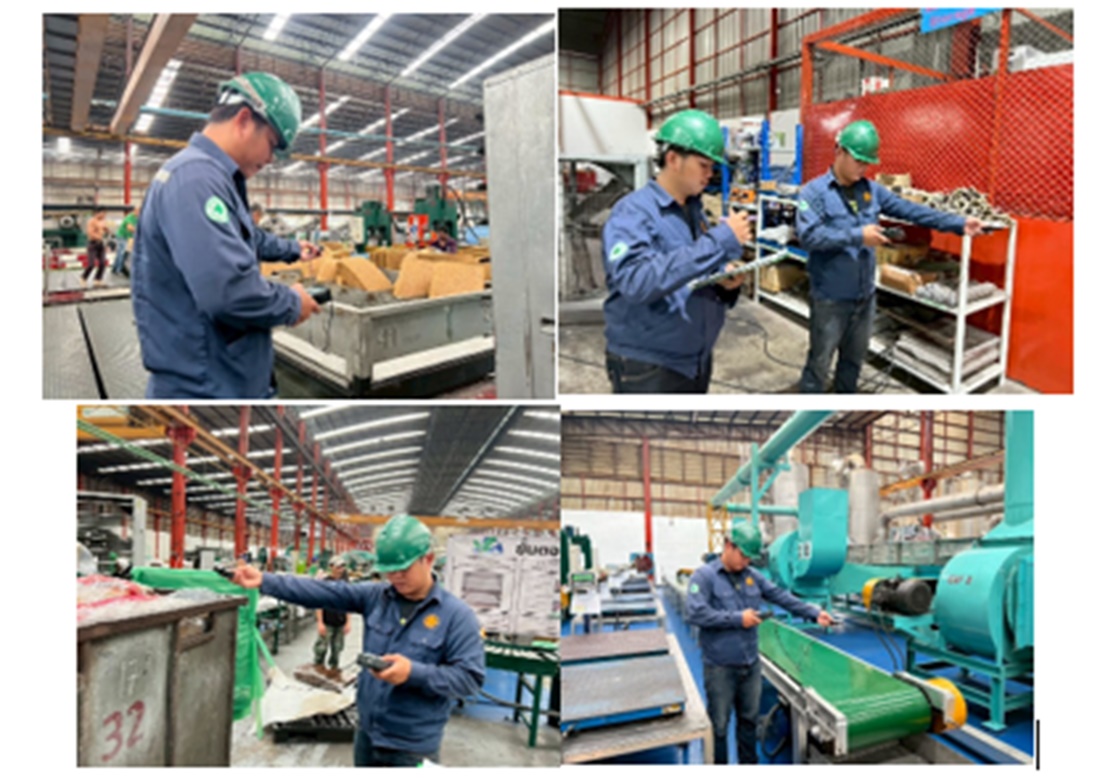
The company prioritizes managing the working environment to provide appropriate lighting, which directly impacts the efficiency, safety, and health of employees. In 2025, the company continuously and regularly conducted lighting level measurements to evaluate the effectiveness of lighting improvements resulting from the bulb replacement initiative across various work areas in 2024. The measurement results indicated that lighting levels remained at appropriate thresholds and compliant with prescribed standards. Furthermore, additional LED bulbs were installed to replace older bulbs in areas that had not yet been upgraded and where light intensity measurements failed to meet the standard criteria. This initiative helps enhance visual efficiency, reduce the risk of workplace accidents, and alleviate eye muscle fatigue, ultimately yielding positive effects on overall employee productivity.
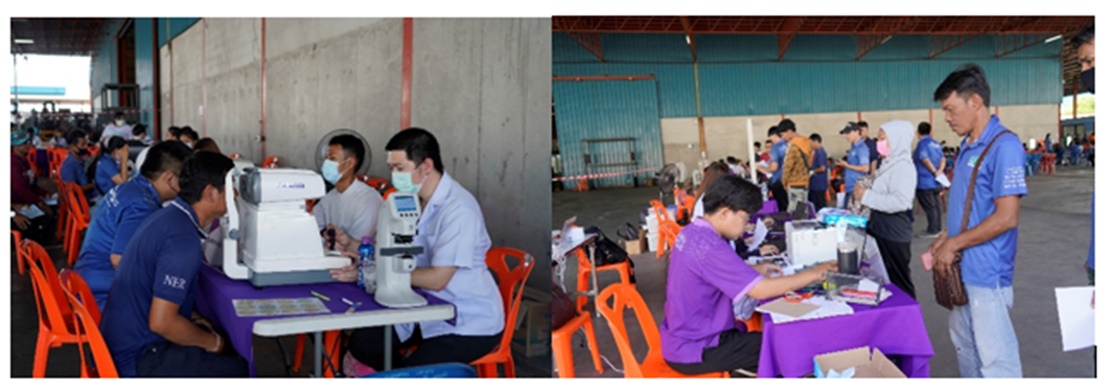
The company requires new employees to undergo a health check-up based on risk factors within 30 days before starting work. This includes a physical examination and mental health assessment according to occupational medicine methods to determine the employees' health suitability and any potential impacts on their health when working with risk factors. The Occupational Safety and Health department assesses the risk factors for each job and establishes a Health Check-Up Matrix, which includes tests conducted by occupational physicians, such as hearing assessments for those working in noisy areas, lung function tests for those exposed to dust or chemicals, and blood chemical level assessments, among others. If any abnormalities are found during the examinations, the company will inform the employee of the results and provide initial guidance from professional nurses and safety officers. The examination results will also be reviewed by an occupational physician to assess the suitability of the employee for the assigned duties. If it is determined that the employee's health is not suitable for the type of work, the company will adjust their job responsibilities to align with the employee's physical condition.
The company arranged for the 2025 annual employee health check-ups in accordance with medical criteria and relevant laws to assess the overall health of employees and monitor health impacts potentially related to the nature of tasks or risk factors in the working environment. In 2025, a total of 682 employees participated in the annual health check-up, representing 94.98% of the total 718 eligible employees, who are individuals with a tenure of one year or more.
The health check-ups were conducted by licensed medical institutions and healthcare providers meeting professional standards, covering specified physical examinations as well as mental health screening and assessment by psychiatrists to ensure employees received both physical and mental care. The company notified employees of their health check results within 3 days of receiving them, allowing employees to manage their health in a timely manner. In cases where abnormal results or indications potentially related to operational risk factors were detected, the company notified and provided advice to the affected employees, and considered arranging re-testing or referrals to specialized medical facilities as appropriate.
Furthermore, the company utilized the aggregated health check data and risk-factor-based results to support occupational health risk assessments, review control measures, improve working environments, and establish guidelines for preventing work-related health impacts. In this regard, the company prioritizes the protection of employee health data, ensuring that such information is stored, used, and disclosed only as necessary and in strict accordance with the laws and guidelines governing personal data protection.
Participation and Communication in Occupational Health and Safety
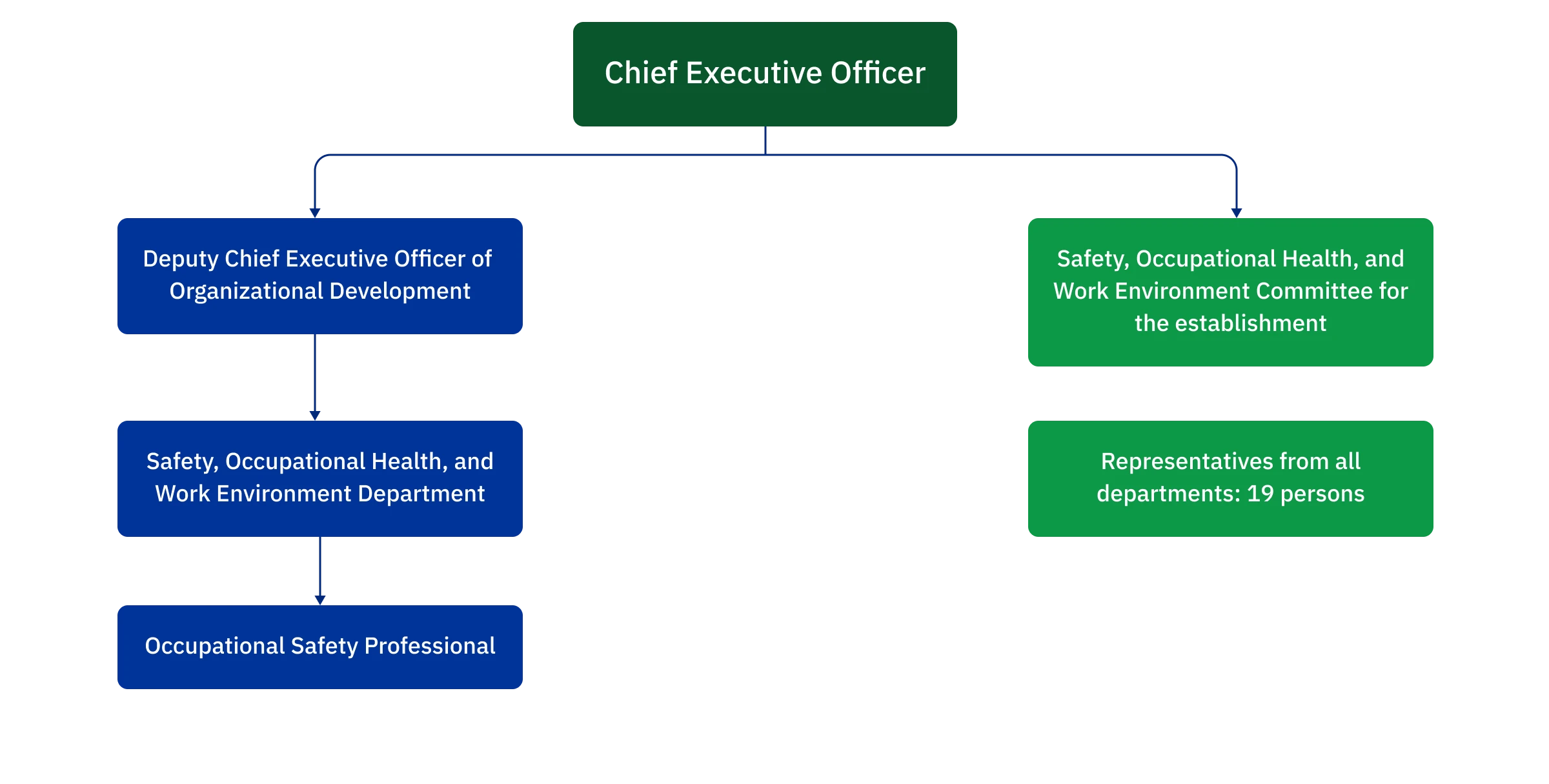
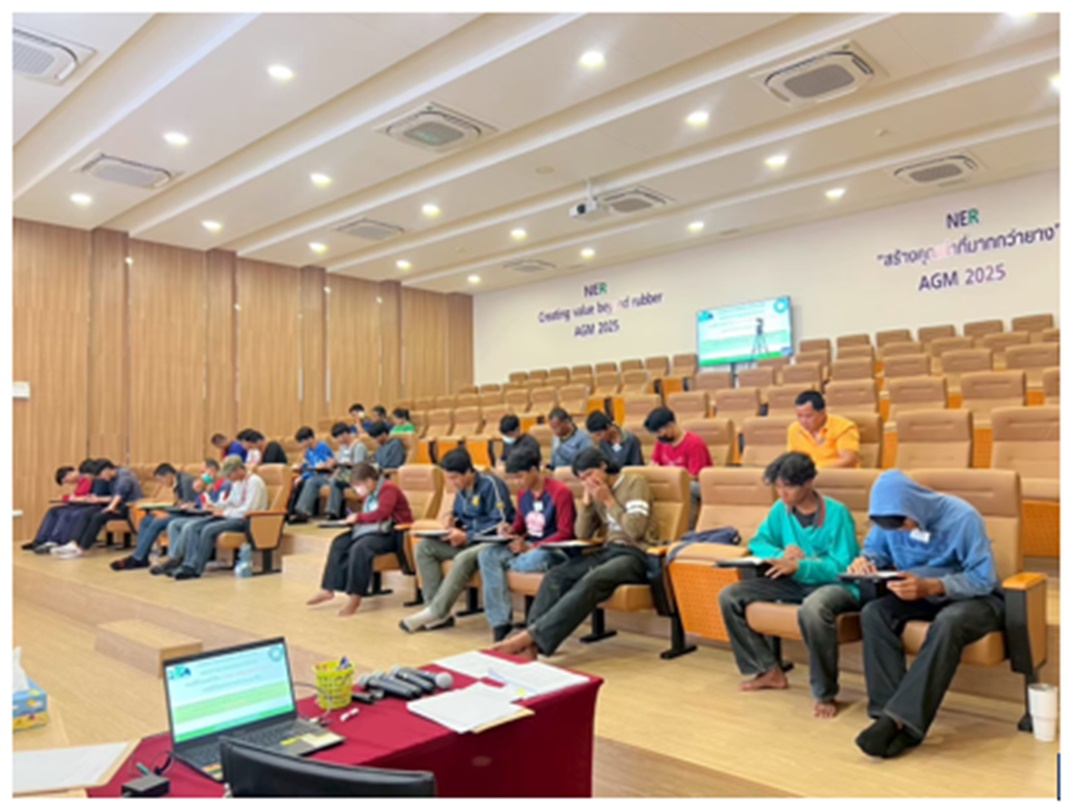
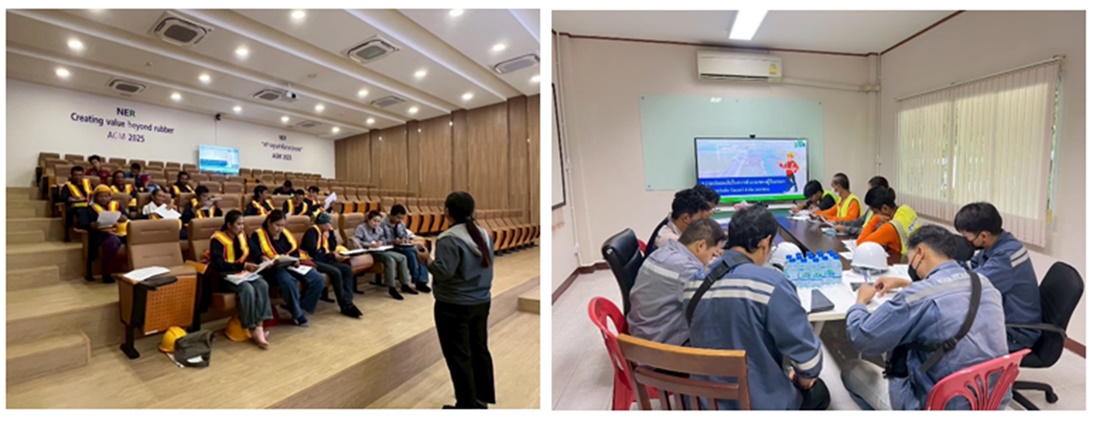
The company firmly believes that effective communication and fostering active participation in safety matters are critical drivers for enhancing awareness and cultivating a strong safety mindset among employees at all levels, ensuring accurate understanding and correct operational practices. Consequently, the company has established a Safety, Occupational Health, and Working Environment Committee, which comprises a total of 19 representatives from both management and employees across various departments. This committee serves as a vital mechanism for promoting employee participation and consultation regarding occupational health and safety. The committee convenes on a regular monthly basis to listen to safety issues, suggestions, or concerns raised by employees; monitor safety performance; review accidents or near-miss incidents; and support the formulation of guidelines to further optimize occupational health and safety measures. Furthermore, it provides consultation and guidance to employees of all levels, contractors, and individuals performing work on the company's premises.
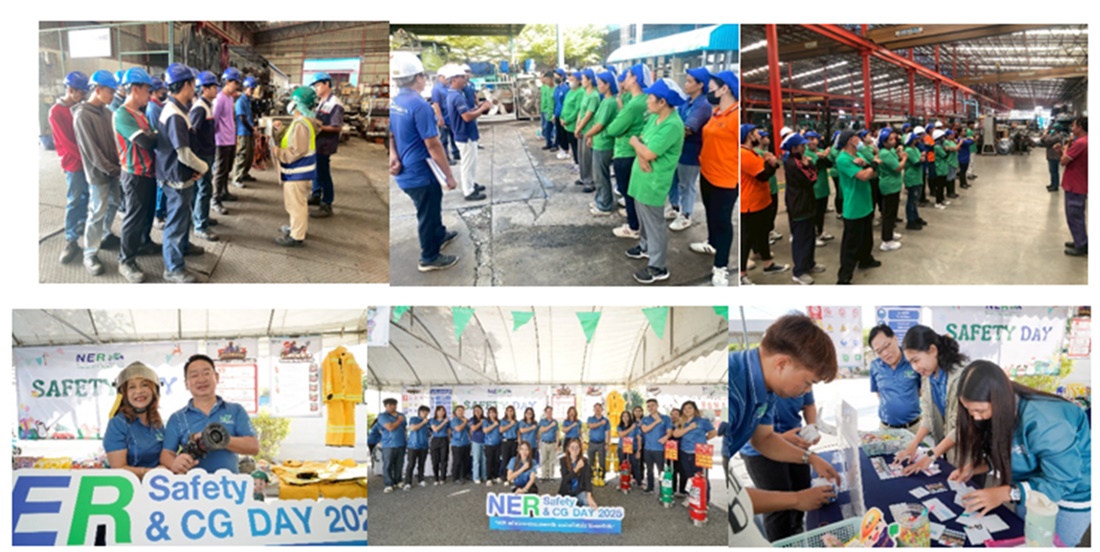
The company consistently organizes safety activities and maintains dedicated communication channels to ensure that employees receive essential safety information both before and during operations. These initiatives include daily Safety Talks (Safety Morning Talks), Kiken Yoshi Training (KYT) activities, the Zero Accident Campaign, and Safety Day events. These events provide opportunities for employees to engage through hands-on activities, such as hazard-spotting games using simulated scenario diagrams to strengthen skills in hazard observation, risk assessment, and the correct selection and utilization of personal protective equipment (PPE). Additionally, the company promotes safety awareness by installing promotional banners, warning signs, and hazard-zone indicators across operational areas. These visual aids serve to remind employees, contractors, and relevant personnel of potential risks and encourage adherence to proper preventive measures, both during work and in daily life.
In 2025, the company conducted a total of 52 occupational health and safety communication and engagement activities, drawing a combined total of 962 participants.
Training and Development of Employee Skills in Occupational Health and Safety
The company enhances safety knowledge and skills in workplace for employees at all levels. Therefore, the company organized training programs that focus on accident prevention and reducing risks arising from several factors, such as lack of expertise in job performance and insufficient knowledge and skills to effectively handle emergency situations. This includes training in the proper use of tools and equipment relevant to job natures, enabling employees to work more safely and with greater confidence. The activities and training courses were as follows:
The company prioritizes developing the knowledge and skills of employees at all levels regarding occupational health and safety, consistently organizing safety training programs categorized into two types:
- Specialized Training: This includes programs such as safe machinery and equipment operation, the use of personal protective equipment (PPE), fire prevention and suppression, chemical management, and emergency response protocols, totaling 29 courses.
- General Training with Integrated Safety Modules: This covers training programs where safety content is embedded into the broader curriculum—such as new employee orientations or company workplace regulations—to ensure employees thoroughly understand rules, safety standards, safe work practices, injury prevention, and how to respond appropriately to emergencies.
In 2025, the company had 788 employees who completed specialized safety training and 727 employees who completed general training programs that included integrated safety modules.
| 2023 | 2024 | 2025 | |
|---|---|---|---|
| Total number of employees in the reporting year (persons)* | 1,034 | 941 | 962 |
| Employees who received specialized safety training (Specific Safety Training) (persons) | 362 | 413 | 788 |
| Employees who received general training that included safety content (persons) | 325 | 278 | 727 |
| Proportion of employees who received specialized safety training to the total number of employees (percentage) | 35.01 | 43.89 | 81.91 |
* Note
- Total number of employees in the reporting year refers to all individuals holding employee status with the company as of their training date within the reporting year, which includes employees who resigned during the year.
- The employee training count is calculated on a unique individual basis within each specific training category.
- The number of trained employees is reported separately by course category; because an individual employee may participate in more than one category, the figures from the two categories are not combined.
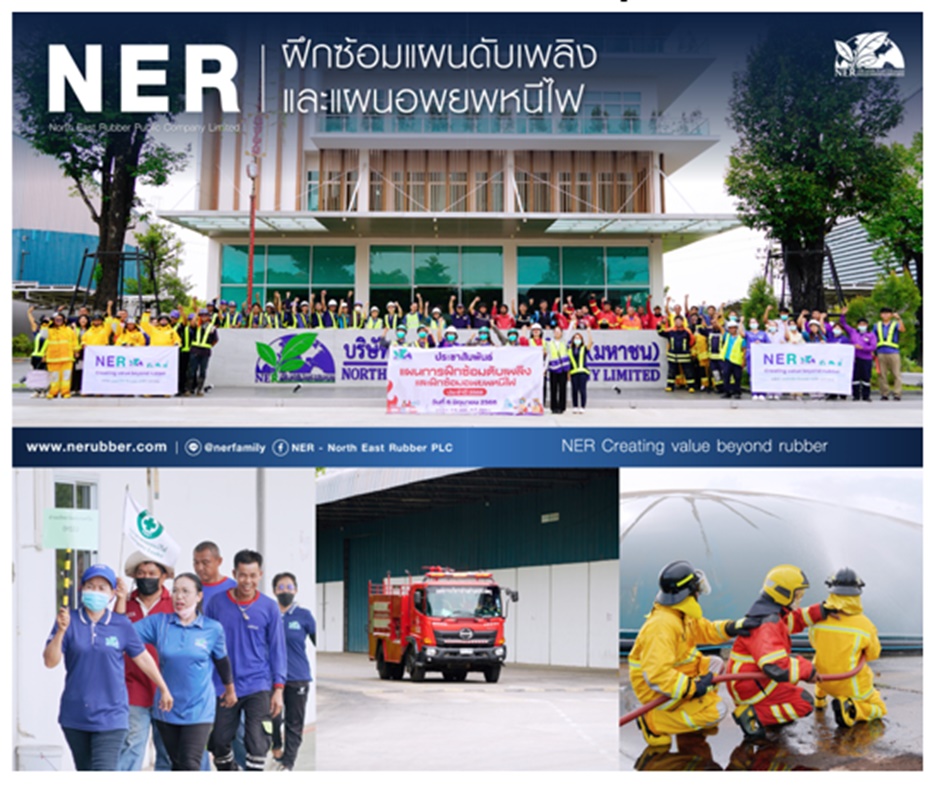
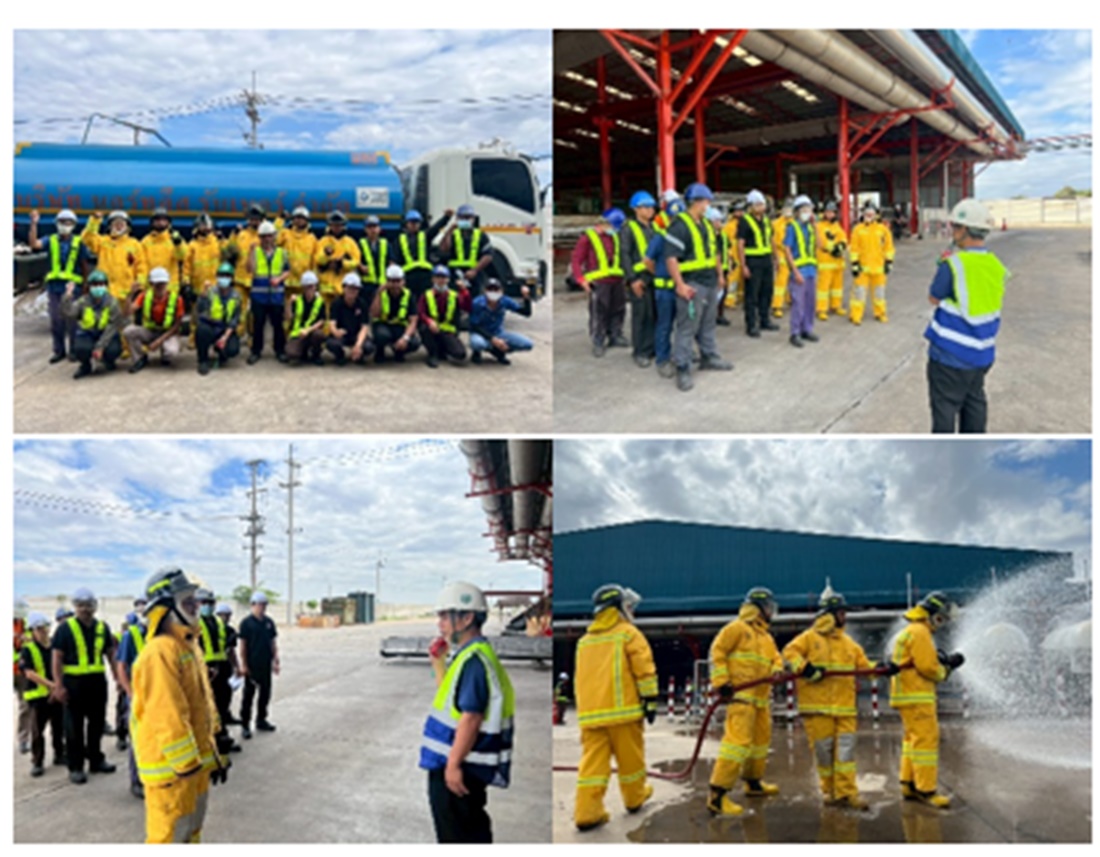
The company conducted its 2025 annual fire drill and evacuation exercise on June 6, 2025, covering both day and night shifts. This initiative aimed to prepare employees, contractors, and relevant personnel to respond appropriately to fire incidents and emergency situations. Organized in collaboration with 4 local disaster prevention and mitigation agencies, the drill provided knowledge, reviewed emergency response procedures, practiced basic firefighting equipment utilization, and tested the readiness of the company's alarm systems, evacuation processes, evacuation routes, and assembly points in accordance with the emergency plan.
In 2025, a total of 572 individuals participated in the drill, representing 100% of the targeted participants. This was divided into 547 participants during the daytime shift and 25 participants during the nighttime shift. The drill encompassed scenario simulations, incident reporting, evacuation from high-risk zones, assembly at designated muster points, and coordination with relevant external agencies to ensure that employees and personnel could execute the emergency plan correctly and safely.
Prior to the drill, the company communicated the exercise plan to community leaders and residents in the surrounding areas to provide advance notice. This proactive communication helped alleviate potential concerns arising from the simulated scenarios and fostered mutual understanding between the company and the neighboring communities. Overall, the drill performance was rated as "Good," evaluated based on participant readiness, adherence to evacuation procedures, evacuation time, emergency communication, equipment availability, and external agency coordination. Notably, the 2025 drill results demonstrated that all participants were successfully evacuated to the assembly points within 4 minutes, meeting the target threshold of under 5 minutes. This achievement aligns with international safety standards and the efficiency evaluation criteria defined by the Department of Labour Protection and Welfare.
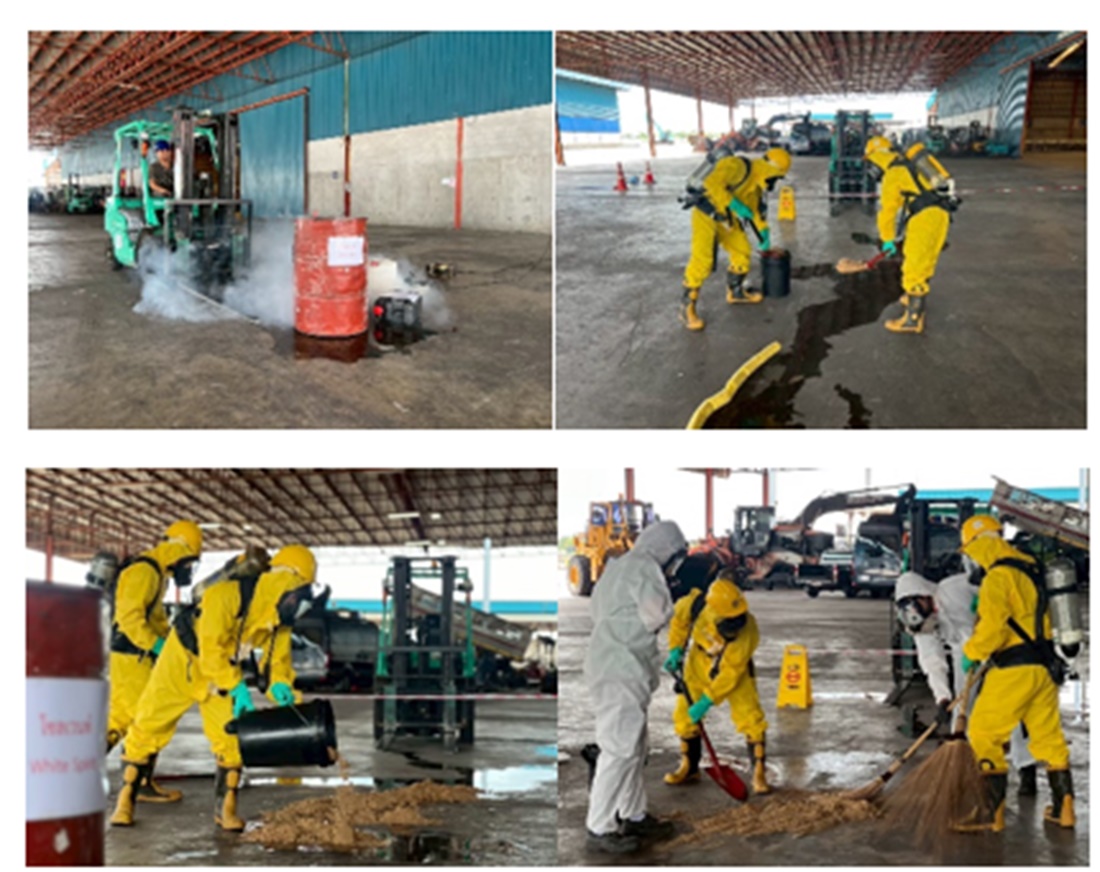
The company conducted its 2025 annual chemical spill prevention and emergency response drills twice, on July 19, 2025, and December 18, 2025, to test the effectiveness of its emergency response plans and to enhance the readiness, understanding, and skills of employees in responding to potential operational emergencies.
The primary objectives of these drills were to ensure that employees can correctly, rapidly, and efficiently execute procedures regarding incident reporting, area containment, the use of emergency response equipment, prevention of exposure to hazardous chemicals or gases, and coordination with relevant departments. These measures aim to minimize potential impacts on the health and safety of employees, contractors, surrounding communities, company assets, and the environment.
In 2025, the company simulated an emergency scenario involving a solvent (WS 200) leak during package transport in front of the warehouse. This substance is a hazardous chemical that generates flammable vapors, increasing the risk of fire or explosion if exposed to ignition sources. Consequently, the company required relevant employees to practice emergency response steps, covering incident reporting, area containment, controlling the source of the leak, utilizing personal protective equipment, managing the spilled chemicals, and cleaning up the area post-incident to ensure employees are thoroughly prepared to handle actual events appropriately. Following the conclusion of the exercises, the company utilized the evaluations, observations, and recommendations from relevant parties to review and further optimize the efficiency of its emergency response plans and operational procedures.
In 2025, the company organized courses aimed at providing employees with knowledge and understanding of hazards, as well as skills for preventing and addressing issues arising from various risks. The training courses offered include the following:
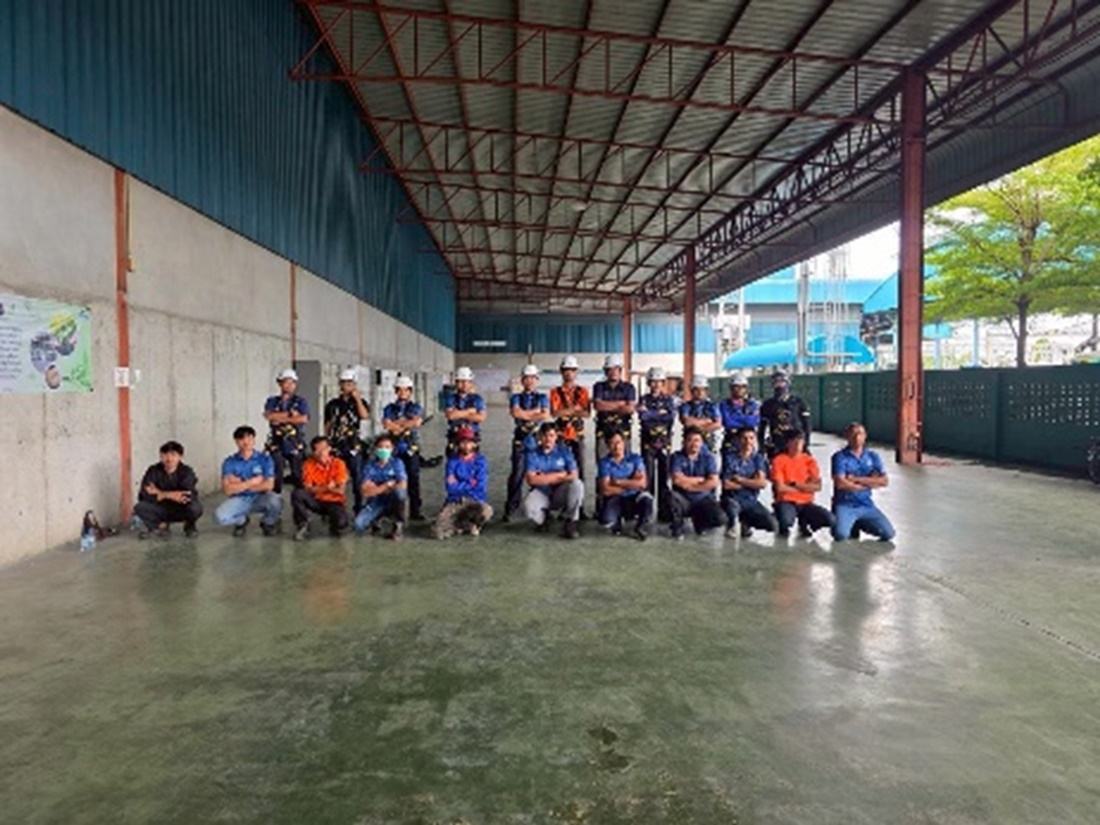
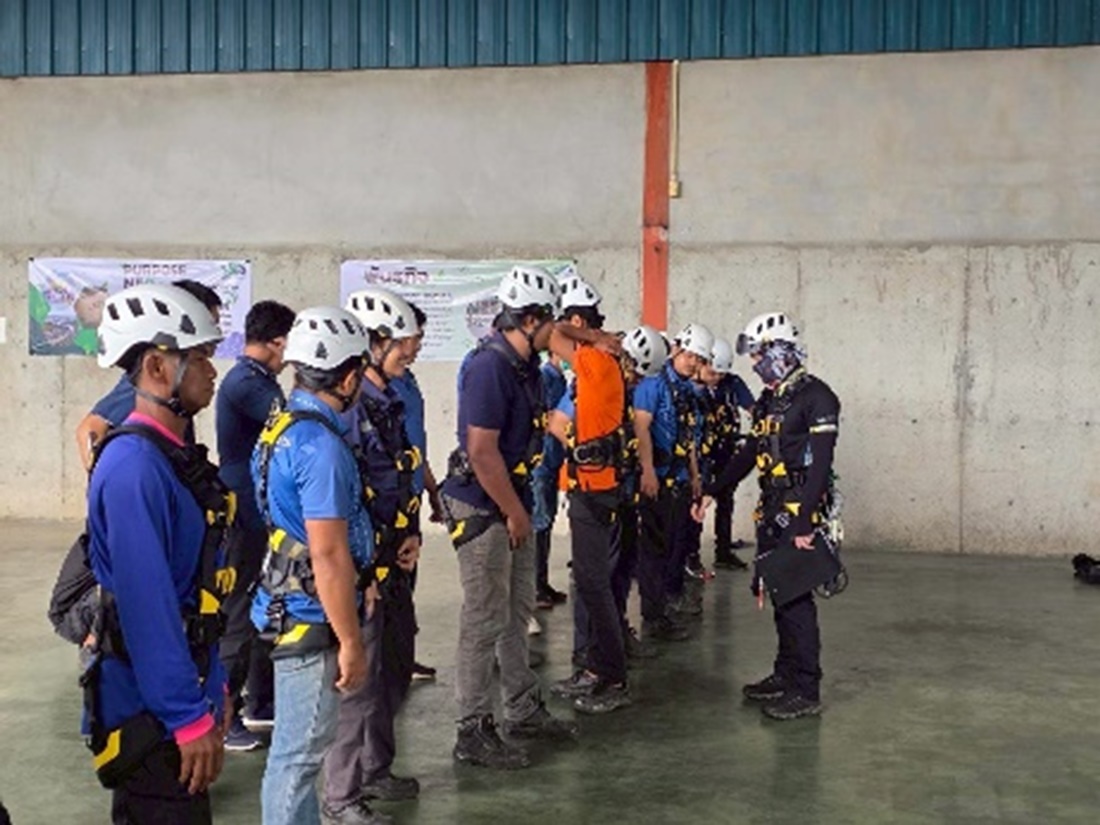
- Work at Heights Safety Course
On June 11, 2025, the company organized a safety training course on working at heights for relevant employees, conducted by guest speakers from Safesiri (Thailand) Co., Ltd. The objective of this training was to enhance knowledge, understanding, and safe work skills for elevated operations. The curriculum comprehensively covered hazard identification, risk assessment, fall prevention, and the proper utilization of personal protective equipment (PPE). This initiative supports operational compliance with the Occupational Safety, Health and Environment Act, B.E. 2554 (2011) and relevant ministerial regulations concerning working in hazardous locations with risks of falling from heights or steep slopes.
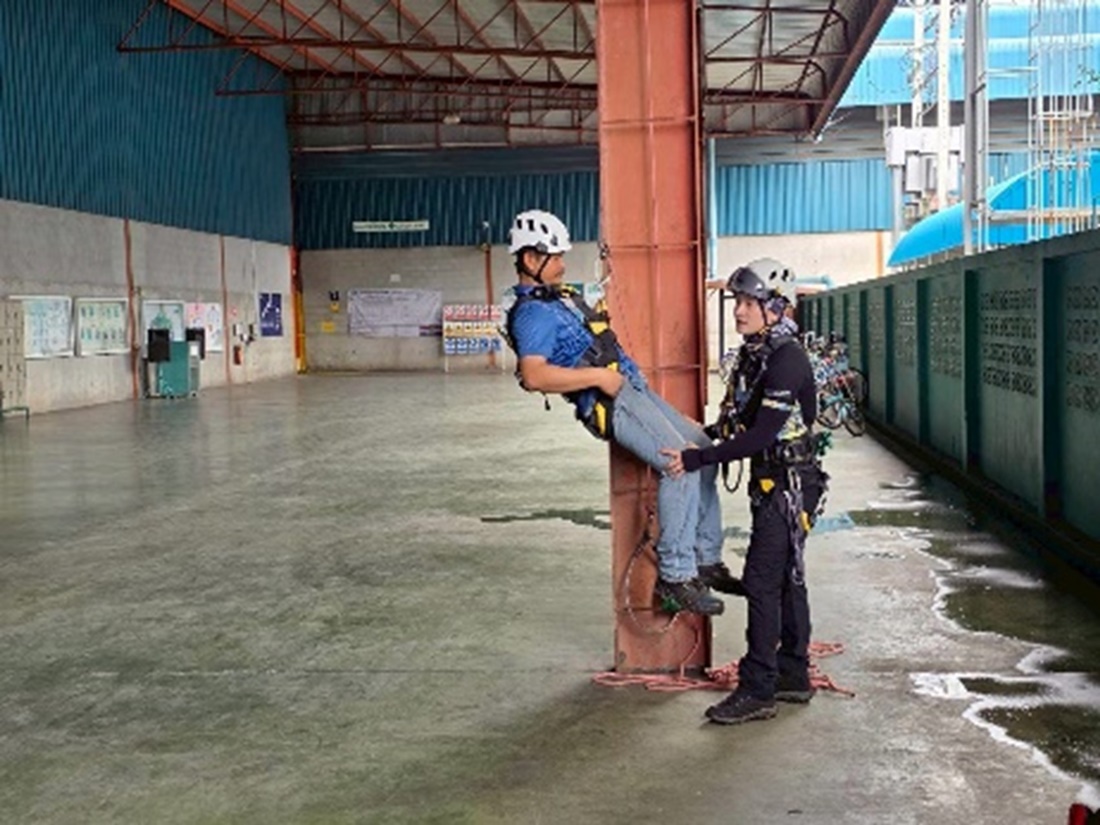
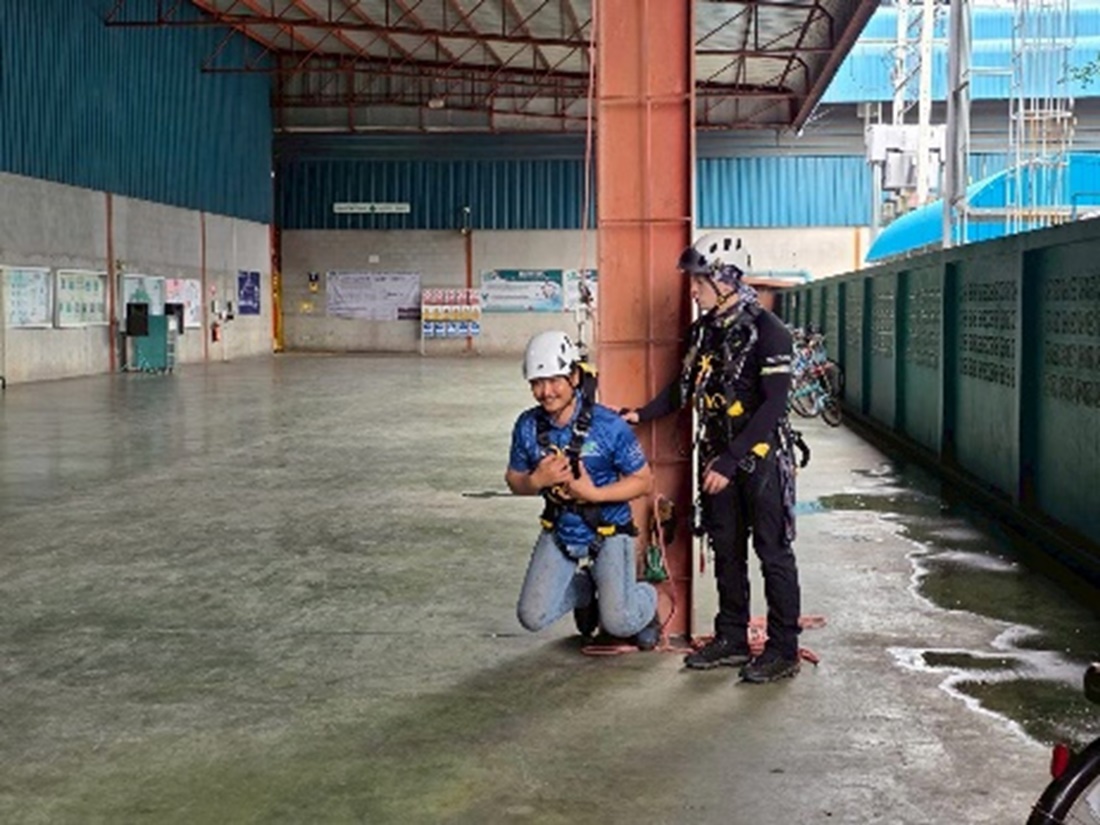
- Electrical Work Safety and Electrical Shock Resuscitation Course
On June 10, 2025, the company organized a training course on electrical work safety and electrical shock resuscitation for relevant employees. Conducted by guest speakers from Safesiri (Thailand) Co., Ltd., the program aimed to enhance essential knowledge, understanding, and skills for safe electrical operations, as well as first-aid techniques for victims of electrical accidents. This training initiative supports compliance with Ministerial Regulation Prescribing Standards for Administration, Management, and Operation of Occupational Safety, Health, and Environment in Relation to Electricity, B.E. 2558 (2015), Clause 4, which mandates employers to provide training for employees working with electricity to ensure they possess the necessary knowledge, understanding, and skills to operate safely.
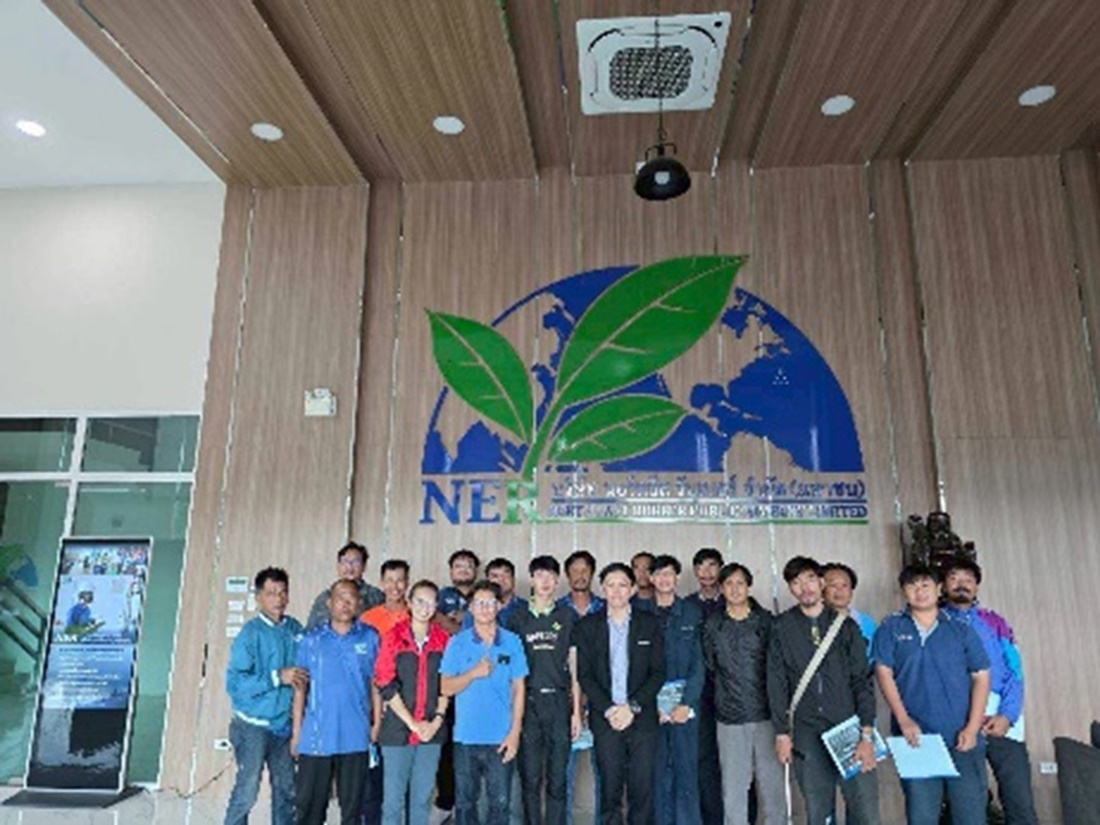
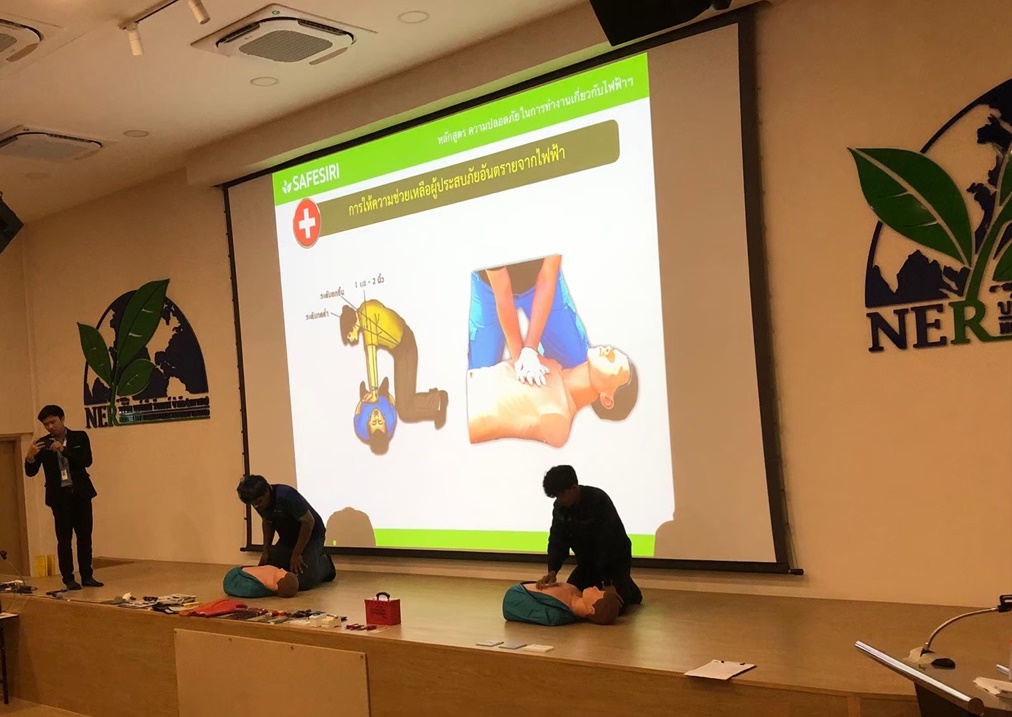
- Basic Fire Fighting Course
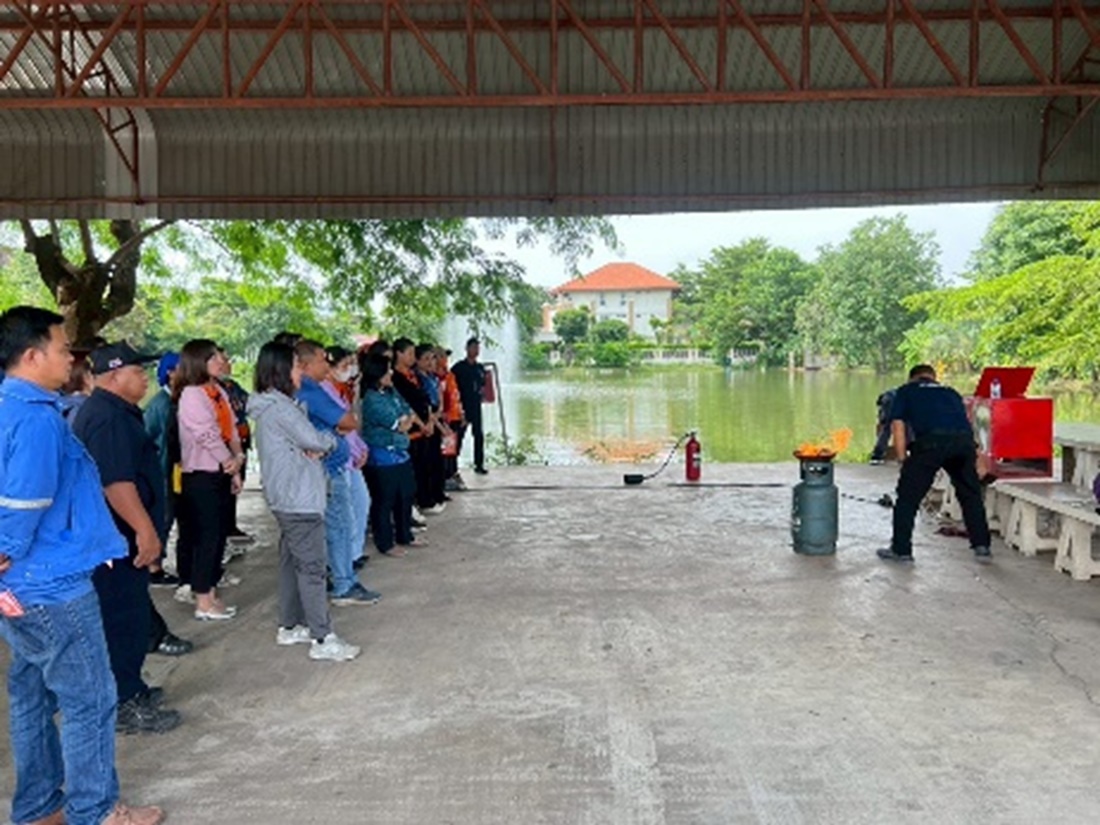
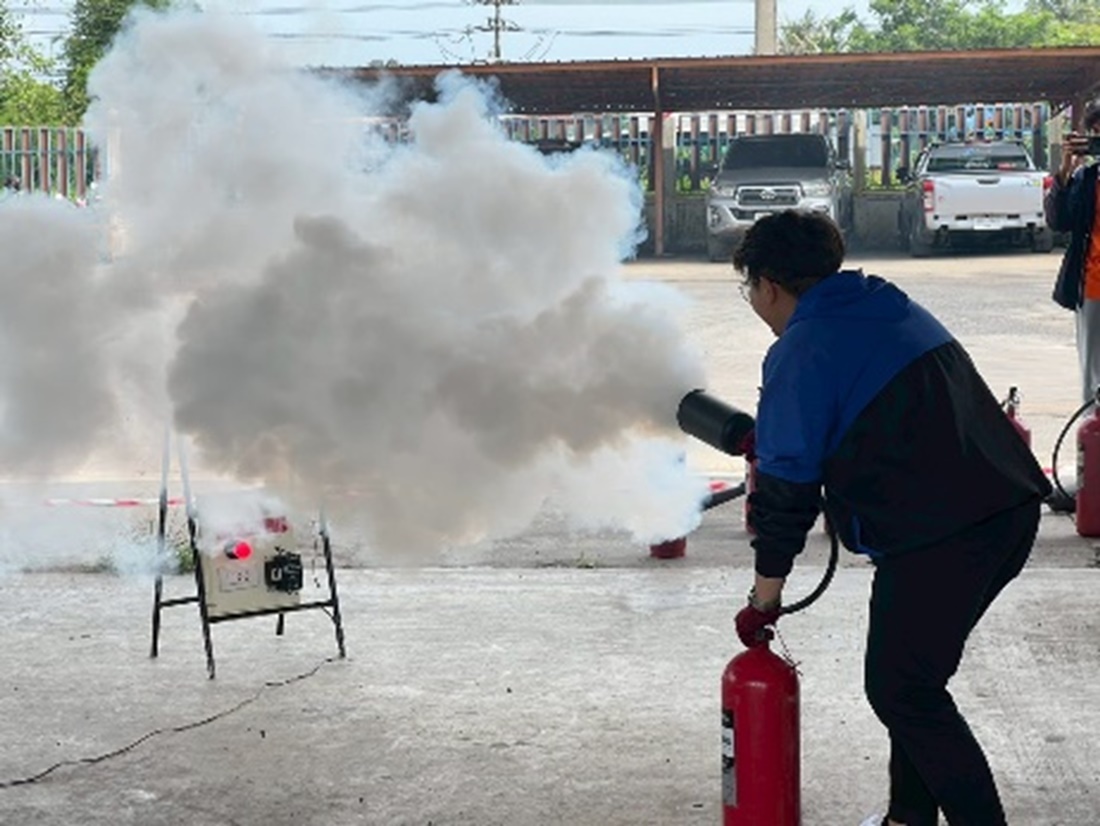
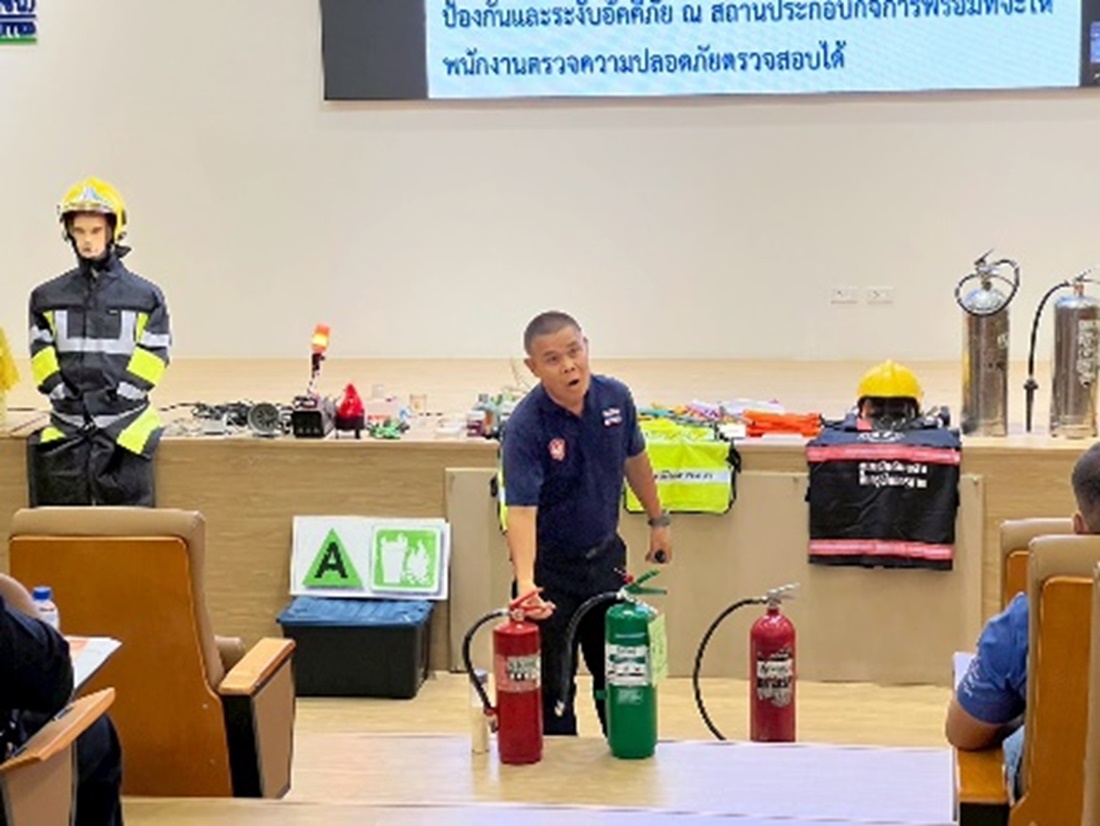
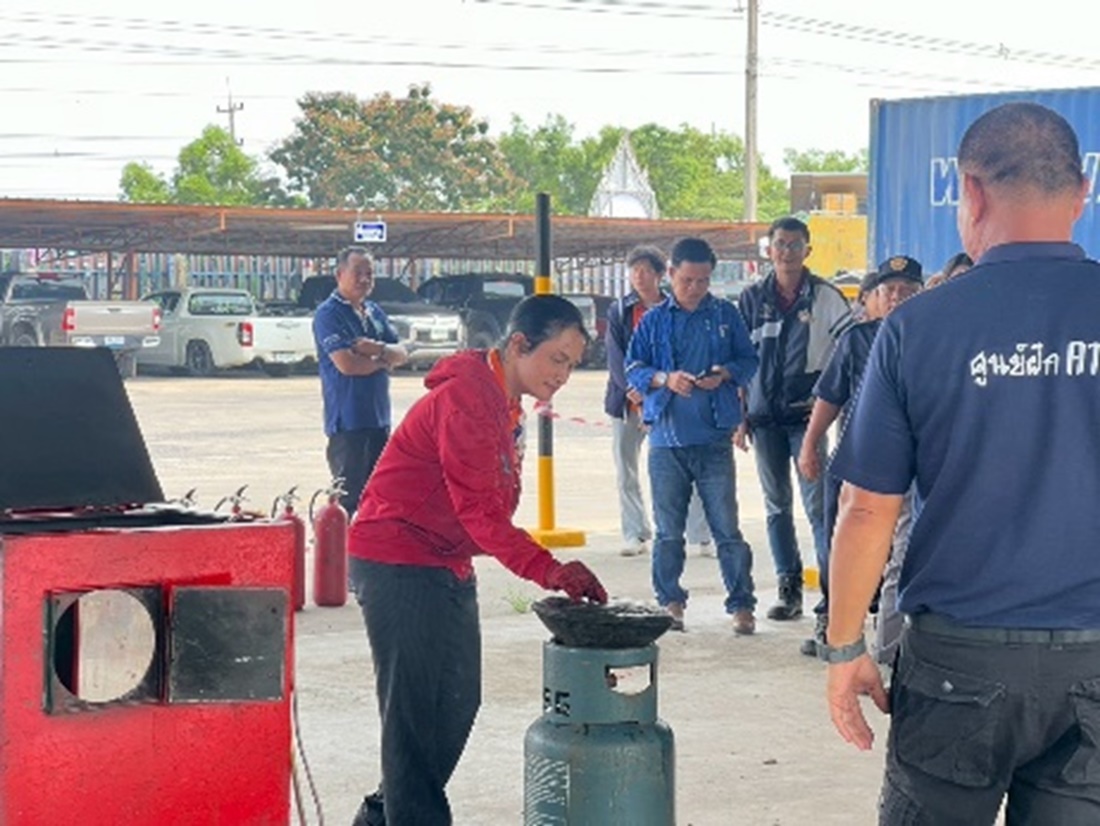
On August 2, 2025, the company organized a training session for employees to acquire knowledge and develop skills in basic firefighting as well as proper fire evacuation procedures. This initiative aligns with the Ministerial Regulation Prescribing Standards for Administration, Management, and Operation of Occupational Safety, Health, and Environment in Relation to Fire Prevention and Suppression, B.E. 2555 (2012), Clause 27, to ensure the safety of life and property. The training was conducted by guest speakers from AT Sell Service and Training Limited Partnership.
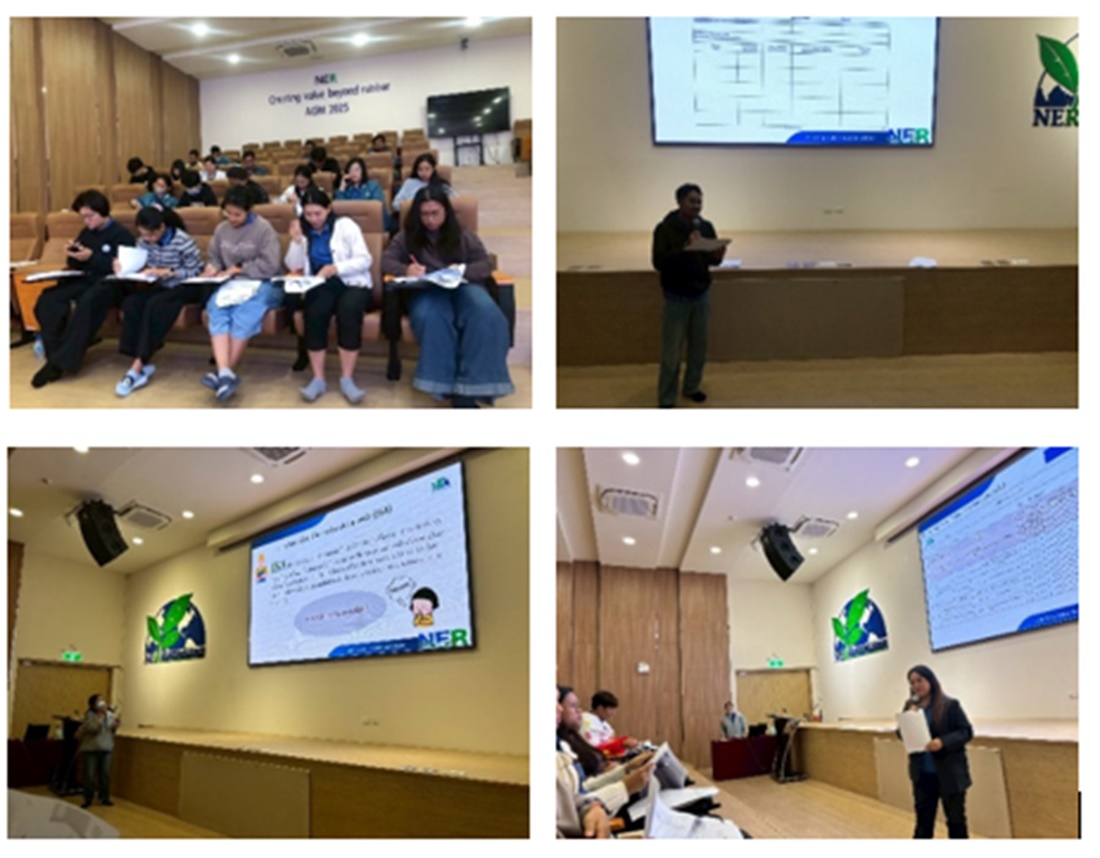
- Hazard Identification, Risk Assessment, and Job Safety Analysis (JSA) Techniques Course
On November 27, 2025, the company organized a training session for relevant employees to build knowledge and understanding of hazard identification and risk assessment methods that could impact worker health and safety across various operational processes. The curriculum also included the Job Safety Analysis (JSA) technique to enable the development of comprehensive hazard control and prevention measures, as well as risk management plans aligned with the ISO 45001:2018 Occupational Health and Safety Management System.
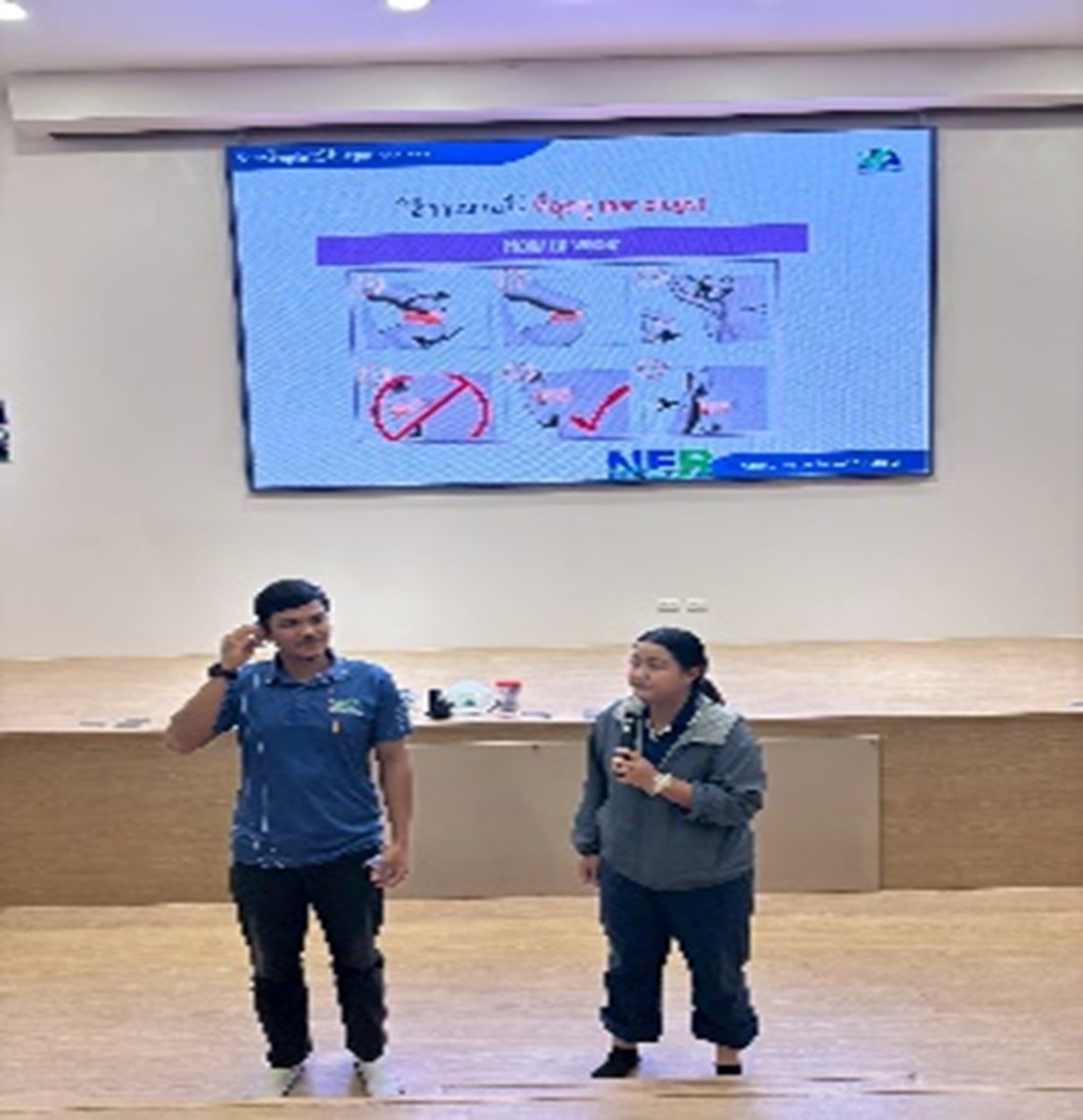
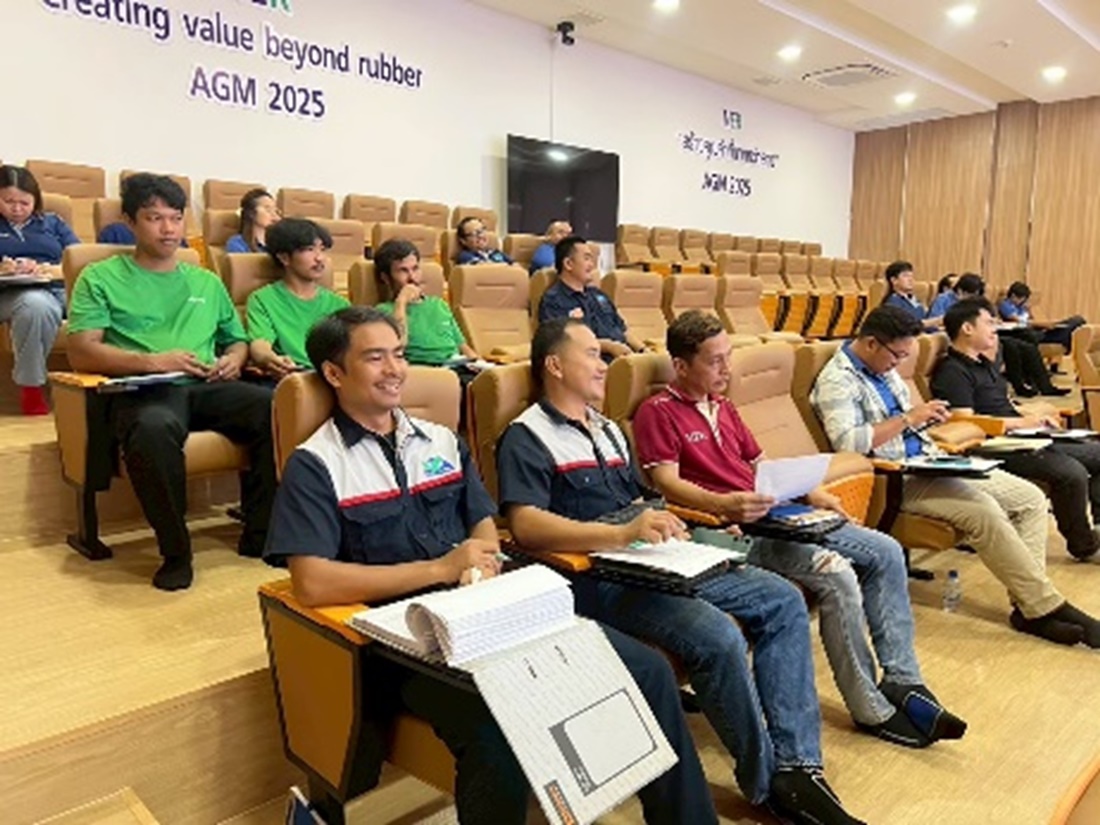
- Hearing Conservation Measures Course
On September 5, 2025, the company organized a training session for relevant employees to build knowledge and understanding of the hazards of working in high-noise areas, which can cause temporary or permanent hearing loss. The program also covered mitigation guidelines and the proper selection and utilization of hearing protection equipment.
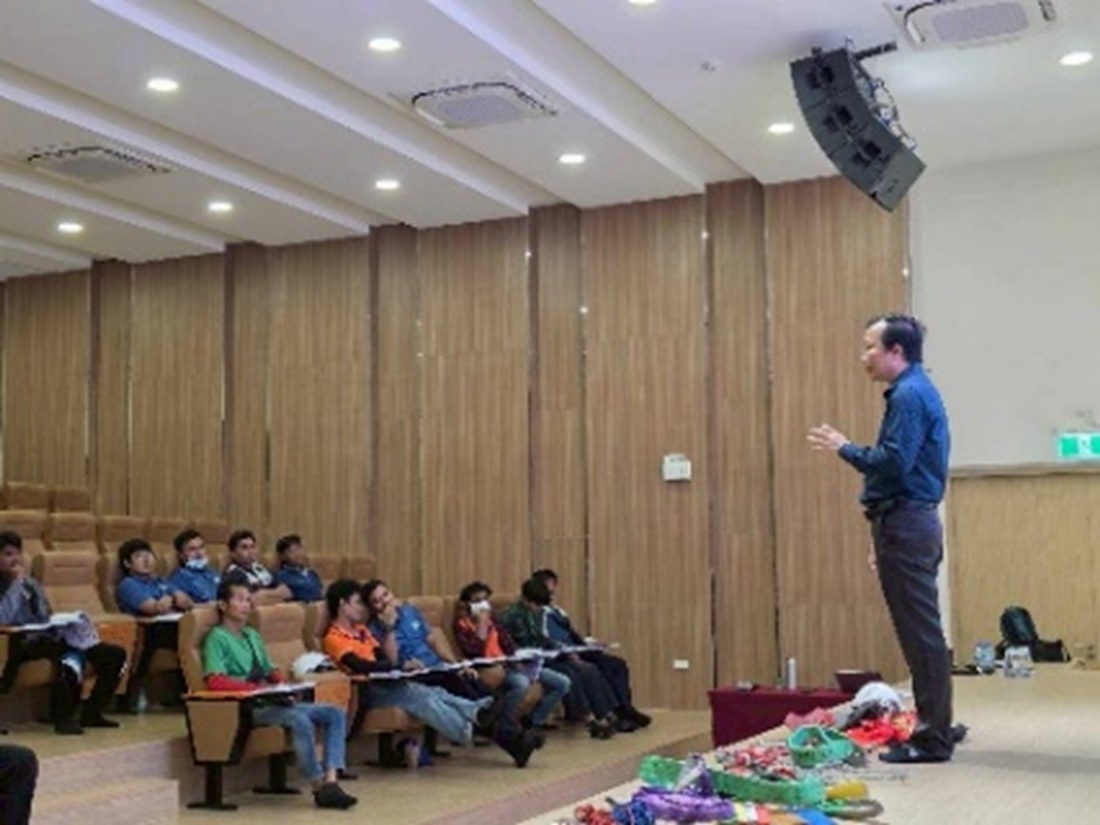
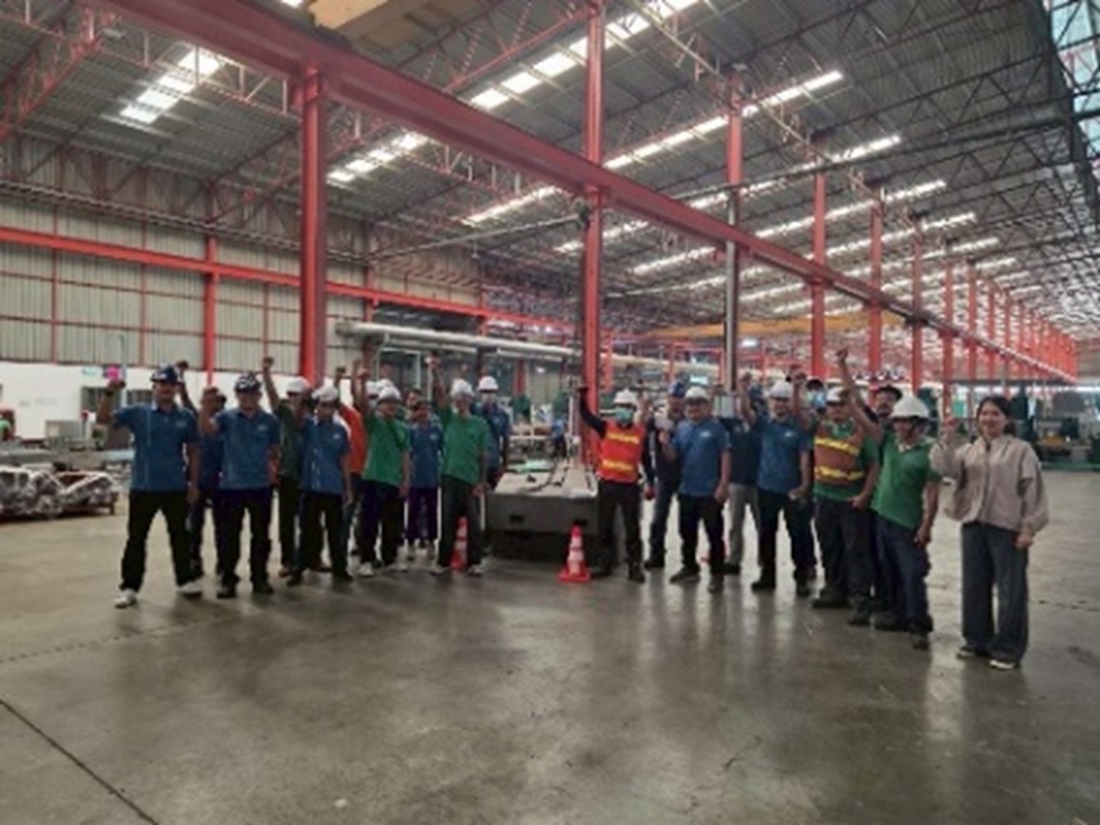
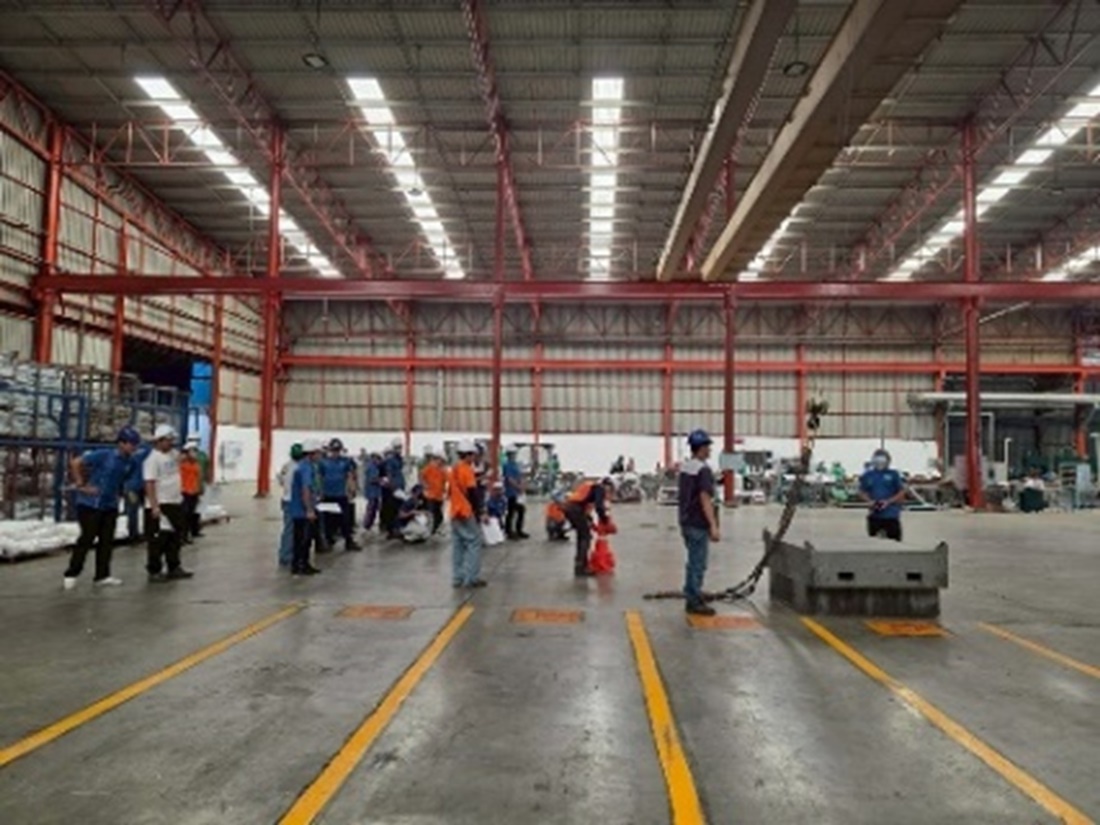
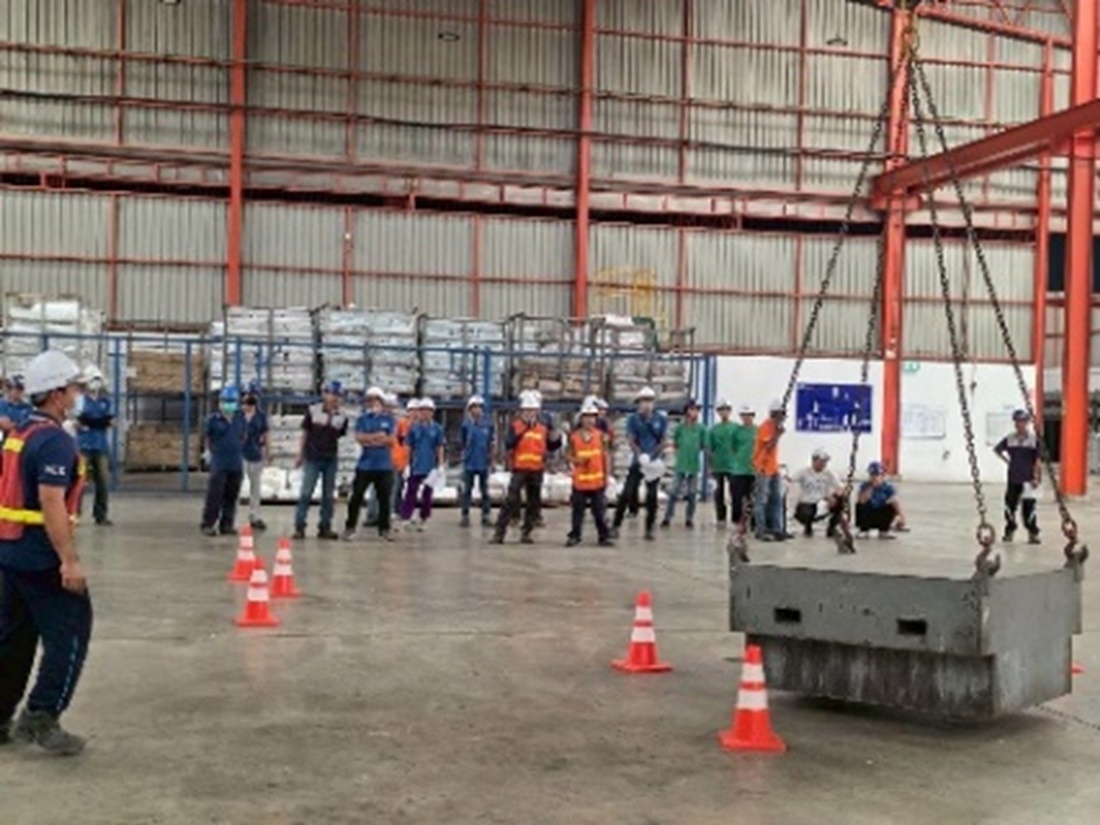
- Overhead Crane Operational Safety Training
The company mandates that employees operating or working with cranes—specifically operators, signalers, riggers, and supervisors—undergo training on safe operational procedures and crane hazard prevention. The curriculum covered equipment structural details, as well as crane inspection and maintenance protocols. This training was conducted from May 27–29, 2025, by expert guest speakers from PS Safety Co., Ltd.
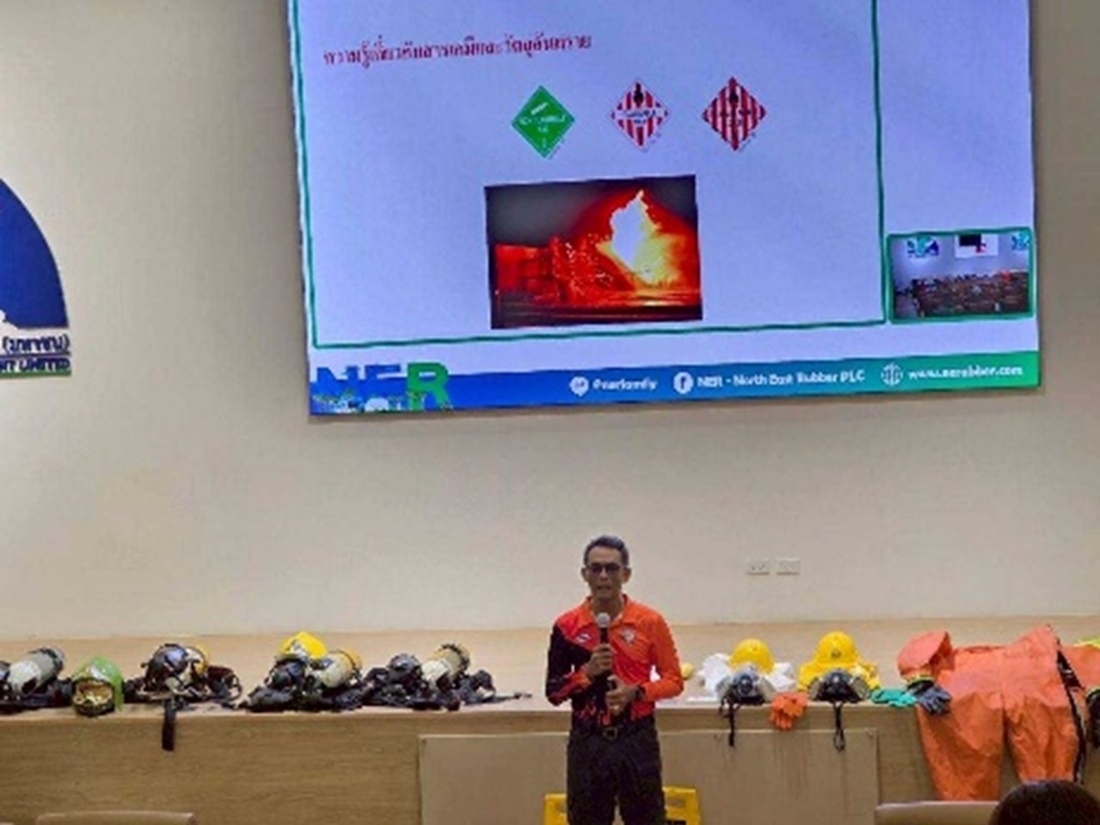
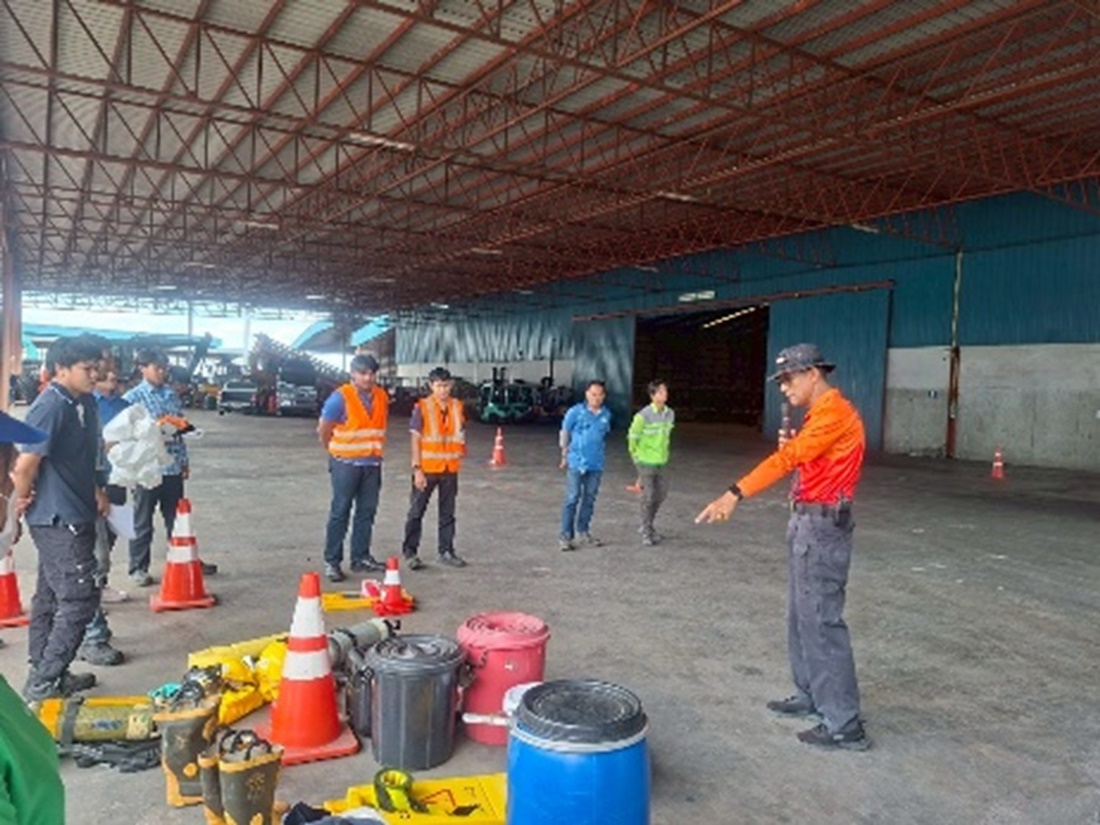
- Chemical Safety and Chemical Spill Response Training Course
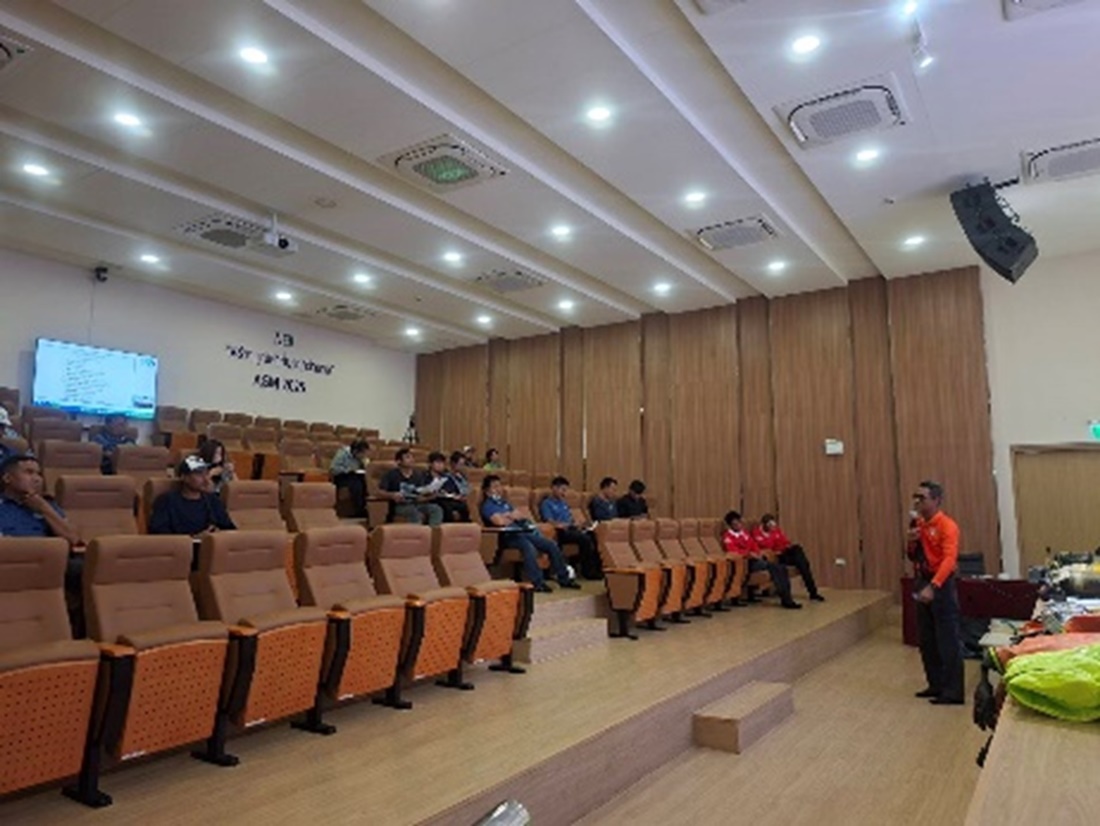
On July 19, 2025, the company organized a training session for relevant employees to build knowledge and understanding regarding chemical hazards, the use of warning signs and symbols, and proper self-rescue and response protocols. The program focused on ensuring strict compliance with regulations concerning hazardous chemicals and was conducted by guest speakers from AT Sell Service and Training Limited Partnership. Furthermore, the company mandates that this training and review be conducted at least once a year to support operational compliance with Clause 34 of the Ministerial Regulation Prescribing Standards for Administration, Management, and Operation of Occupational Safety, Health, and Environment in Relation to Hazardous Chemicals, as well as other relevant safety regulations.
- Advanced Firefighting Course
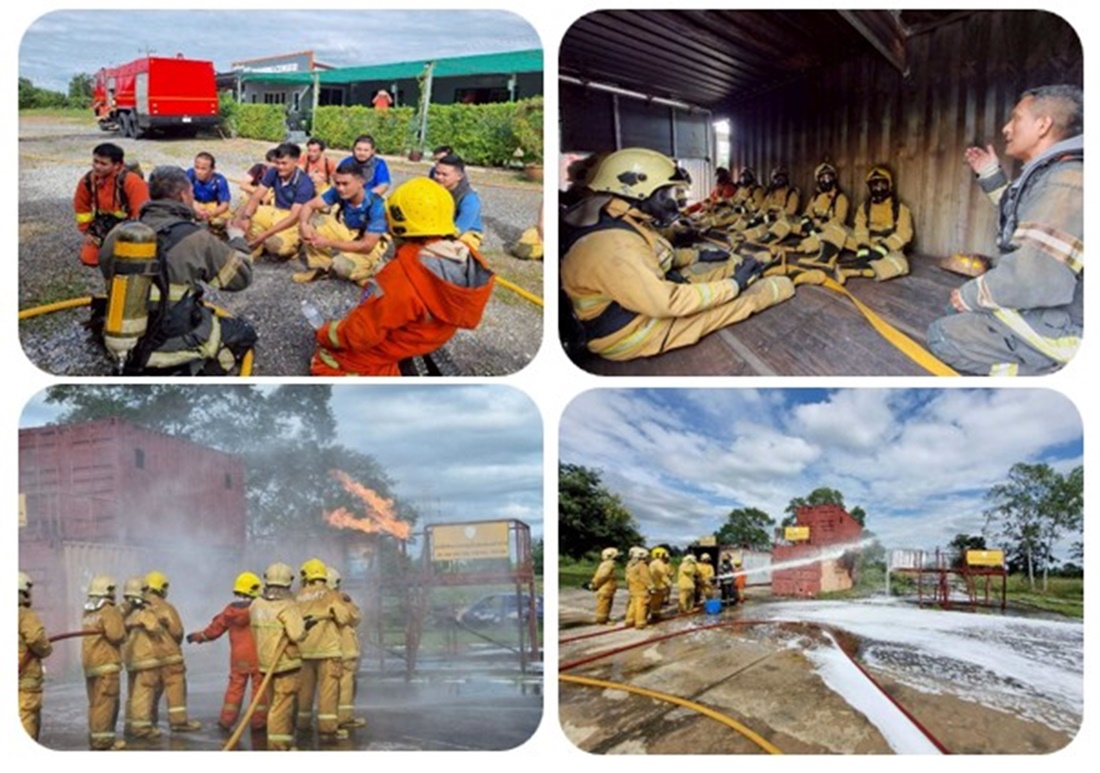
The company sent five employees to participate in advanced firefighting training at the safety training center of AT Sell Service and Training Co., Ltd. in Chaloem Phra Kiat District, Nakhon Ratchasima Province, from October 24–25, 2025. This initiative aimed to elevate knowledge and skills in identifying root causes of fires, as well as to enhance emergency response capabilities. The training program comprehensively covered firefighting methods under various scenarios, the utilization of modern firefighting tools and equipment, and practical drills in simulated environments. This ensures participants can confidently assess and manage fire emergencies and effectively apply these skills in real-world situations.
- Weekly Minor Firefighting Drills
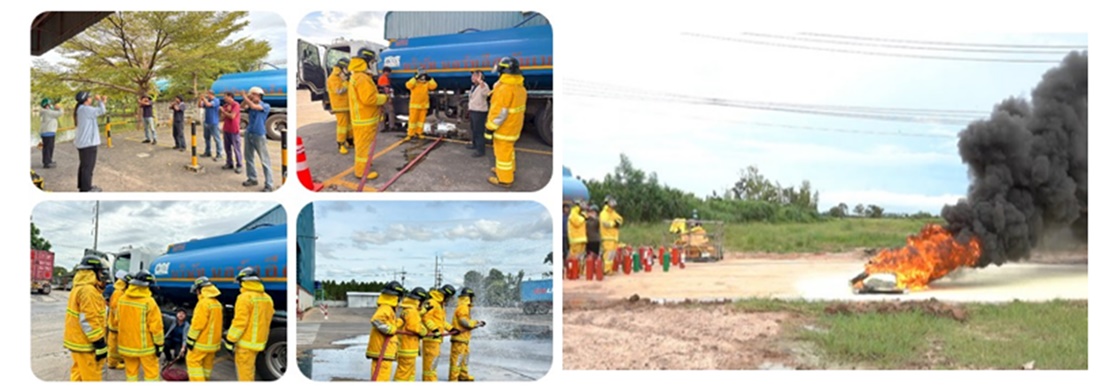
The company conducts minor firefighting drills on a weekly basis, jointly organized by the Safety Department and the Advanced Firefighting team. These drills are designed to strengthen and develop the skills of the company's firefighting team in decision-making, situational assessment, and executing correct, rapid responses to emergency situations. Consistent drilling enhances overall preparedness for fire incidents, minimizes accident risks, and continuously fosters a safety culture within the organization.
- Occupational Safety and Health Re-Training Program
From September 15 to November 27, 2025, the company organized a re-training program for relevant employees (divided into 6 batches). The objective was to refresh their existing knowledge, provide updates on safety practices to reduce accident risks, and promote safety awareness in the workplace. The program also focused on preventing occupational diseases and instilling safe working behaviors.
Promotion of Employee Health Beyond Work
The company prioritizes the promotion of employee health and well-being, both physically and mentally, alongside the prevention of illnesses and health risk factors beyond work-related injuries or occupational diseases. The company aims to ensure that employees have access to appropriate health information, knowledge, and services to enhance their quality of life and reduce long-term health risks.
To support basic healthcare, health counseling, and assistance during illnesses or medical emergencies, the company provides an on-site medical room servicing both employees and contractors operating within the premises. This facility is staffed by a registered nurse 24 hours a day and is fully stocked with adequate medicine and medical supplies. Furthermore, the company provides an appropriate, hygienic, and private area for female employees who need to breastfeed or express and store breastmilk. This initiative is accompanied by educational support on breastfeeding provided by registered nurses to promote the health of both mothers and children, fostering a supportive work environment that enhances the overall quality of life for employees.
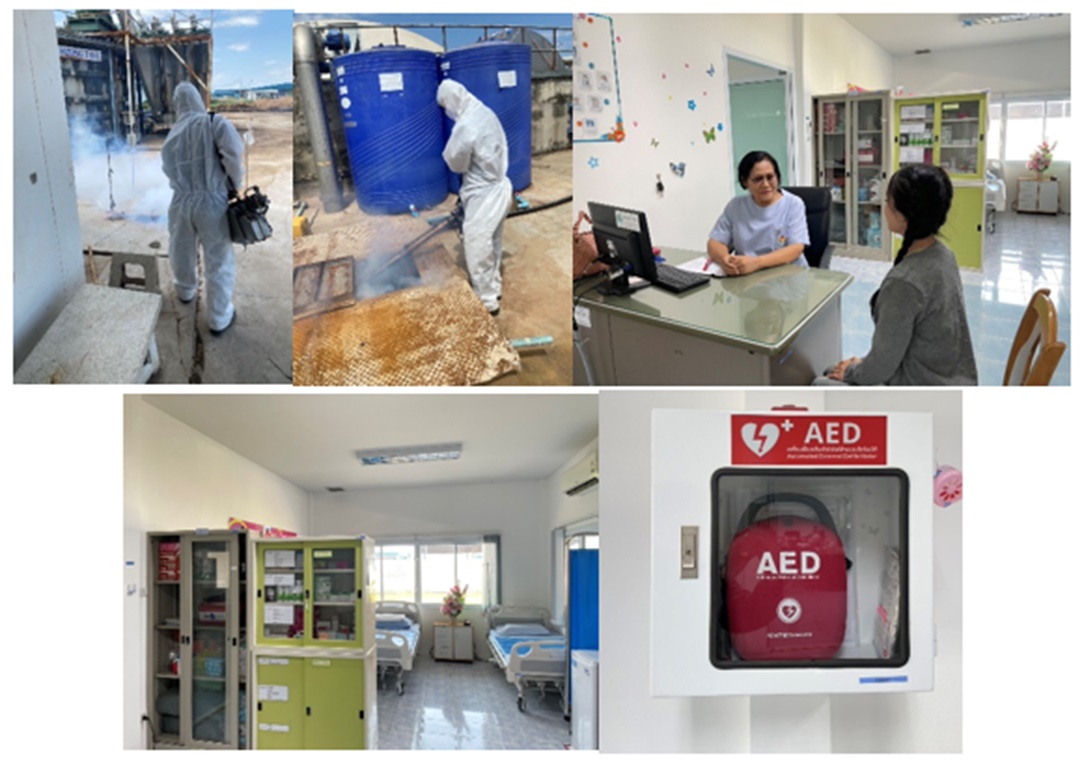
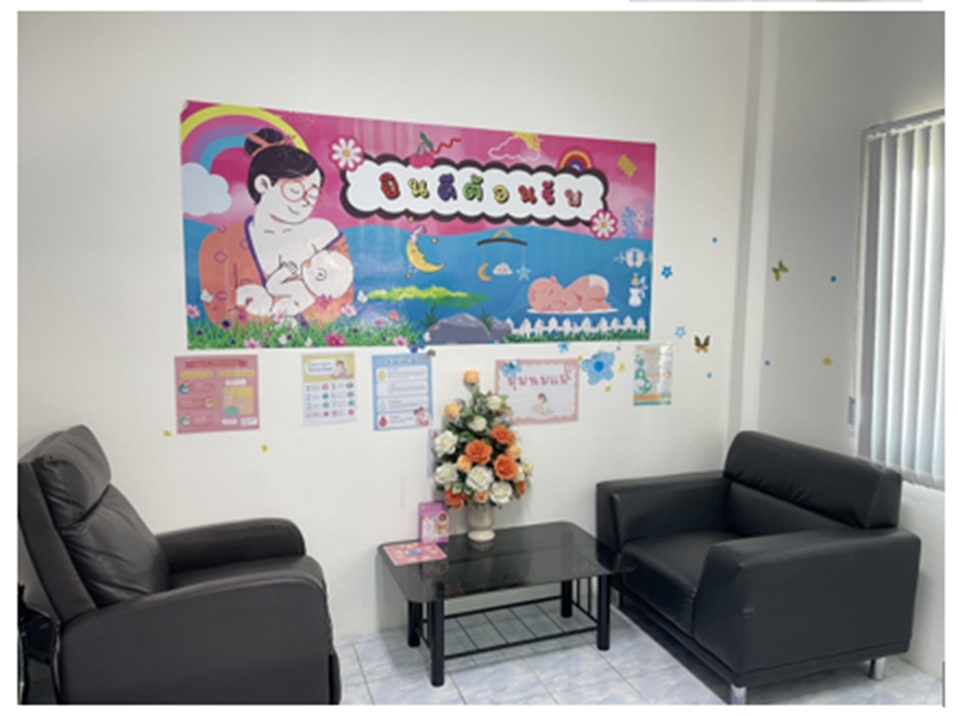
The company continuously implements health promotion and disease prevention activities. This includes educating employees on healthcare, personal hygiene, infectious disease prevention, and the adoption of proper health behaviors. Additionally, the company organizes activities that support physical exercise, stress relief, and the balance between work and mental health to foster overall employee well-being in both their professional and personal lives.
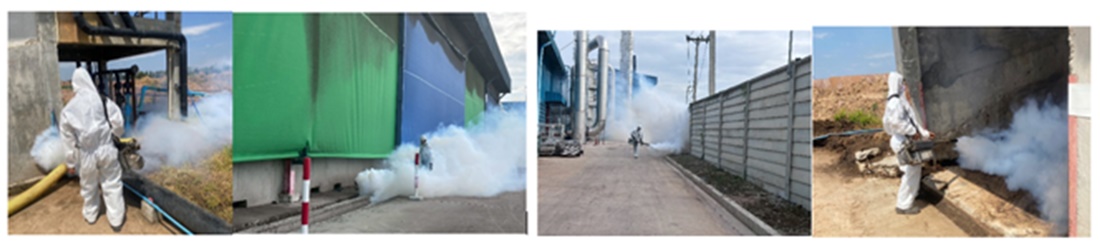
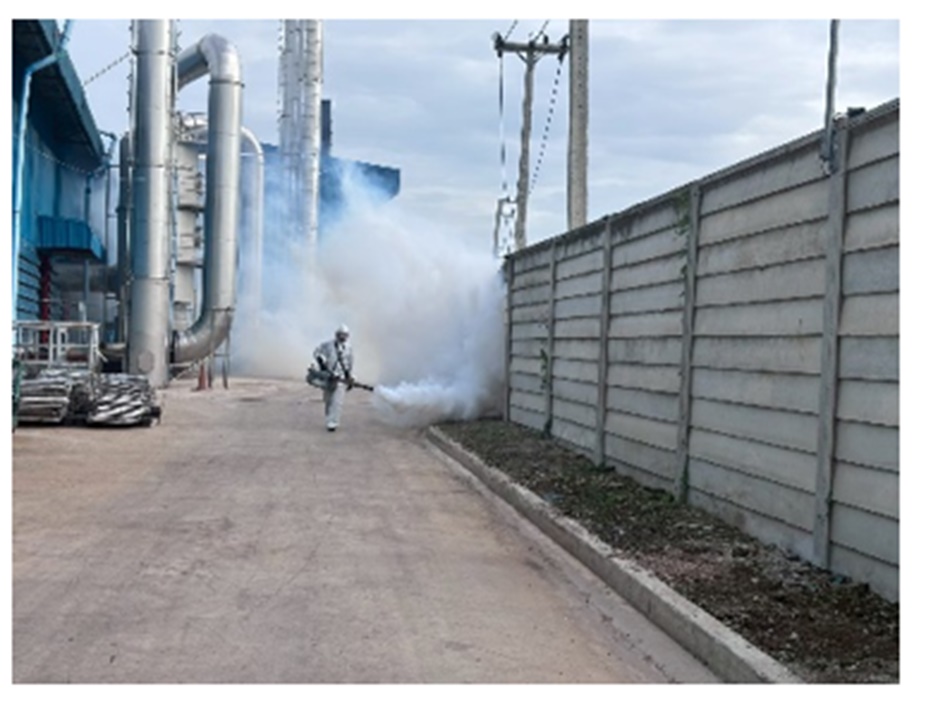
Recognizing regional health risks associated with infectious diseases—particularly mosquito-borne illnesses like dengue fever—the company has established continuous surveillance and risk-factor control measures. This involves managing the workplace environment in accordance with 5S principles to eliminate mosquito breeding sites, alongside scheduling regular chemical spraying to eradicate mosquitoes within the operational areas and surrounding premises. Furthermore, the company actively communicates and runs campaigns to raise employee awareness regarding hygiene maintenance, the elimination of mosquito breeding grounds, and personal protection against mosquito-borne diseases. These efforts aim to minimize the risk of employee illness and reduce the potential spread of diseases within the workplace and neighboring communities.
Safety and Occupational Health of Contractors and Suppliers
The company focuses on ensuring that its occupational health and safety operations cover 100% of both employees and contractors operating within all of the company's controlled areas to prevent and mitigate safety risks that may arise from work activities. Consequently, the company has integrated occupational health and safety requirements into its Supplier Code of Conduct, mandating that suppliers and contractors ensure their own personnel operate safely, maintain a hygienic working environment, and support their employees in receiving knowledge and participating in emergency response drills to correctly and safely follow relevant protocols.
Furthermore, the company requires all contractors entering its premises to strictly acknowledge and comply with the company’s safety rules, regulations, and measures to mitigate risks and prevent hazards during their operations. Contractors are responsible for supervising their own workforce and providing appropriate personal protective equipment (PPE) that is sufficient for the nature of the work and the level of risk.
For high-risk tasks, contractor personnel are required to undergo specialized medical checkups tailored to their specific work conditions, such as respiratory and cardiac assessments for confined space entry, as well as blood pressure measurements before starting work each time. This measures evaluates worker readiness and minimizes risks that could impact life, health, property, and the company’s business continuity.
In 2025, the company conducted safety training sessions for contractors covering safety regulations, operational procedures, and other site-related requirements for a total of 127 times, averaging 2–3 training sessions per week. A total of 520 contractors participated in these training sessions, ensuring they possess a clear understanding and can strictly adhere to the company's regulations accurately, safely, and in alignment with the company's occupational health and safety standards.
| Year | 2023 | 2024 | 2025 |
|---|---|---|---|
| Number of workers under the Occupational Safety and Health System (people) | |||
|
1,034 | 941 | 962 |
|
372 | 421 | 520 |
| Rate of Fatalities or Disabilities from Work Related Accidents (Major Accident) | |||
|
1 | 0 | 1 |
|
0 | 0 | 0 |
| Occupational Illnesses among Employees | 0 | 0 | 0 |
| Lost Time Injury frequency Rate (LTIFR) per 1 million working hours | |||
|
11.20 | 2.97 | 3.12 |
|
0 | 0 | 0 |