Management Approach
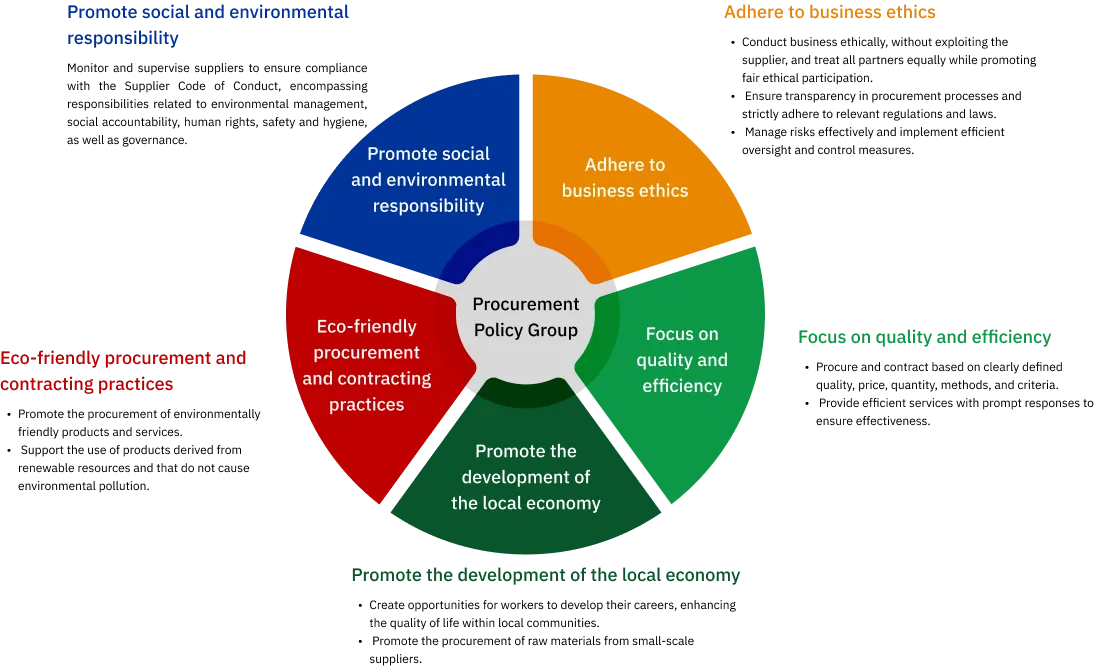
The company emphasizes responsible and sustainable supply chain management to mitigate risks from suppliers that may impact the business, as well as the environment and the human rights of various stakeholders. It is focused on developing a supply chain that is transparent, fair, flexible, and aligned with international quality standards. The company has established a "Procurement Policy" group, which consists of:
The "Procurement Policy" aims to provide a framework for operations and practices in procurement that is fair suppliers and responsible towards the environment, while also promoting value creation for local communities.
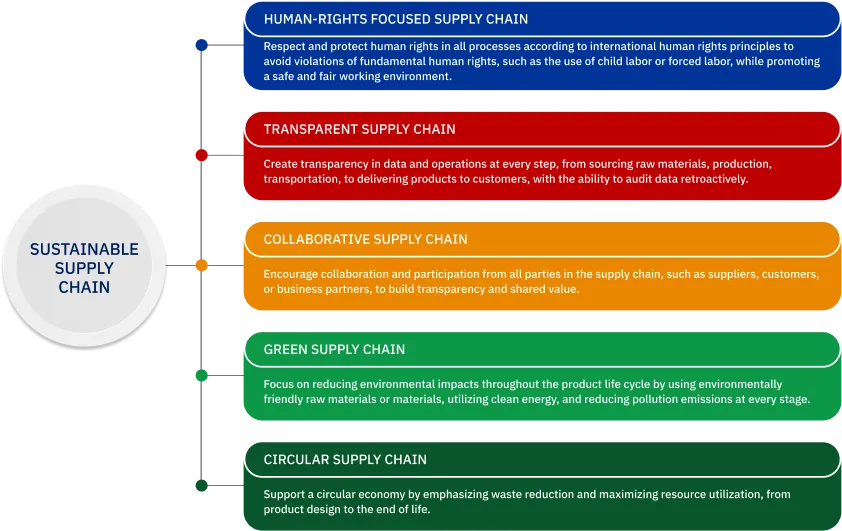
The "Responsible Sourcing Policy" serves as a guideline for conducting business with suppliers and acts as an operational framework for creating sustainability throughout the supply chain to reduce risks and mitigate negative impacts on the environment, society, and economy across the supply chain.
The "Raw Material Payment Policy" supports the procurement of raw materials from smallholder farmers.
The company has established regulations for procurement for suppliers and employees, outlining clear guidelines under applicable regulations and laws covering business ethics, human rights, safety, and environmental considerations. This is in accordance with the procurement policy principles that align with sustainable business practices, aiming to promote confidence, trust, and cooperation among the company, its suppliers, and relevant stakeholders.

The company has assigned a working group on consumer-supplier practices, led by the Purchasing Manager, who is responsible for implementing the policy to achieve the set goals. This includes managing suppliers in the supply chain in accordance with practices and international standards to reduce supplier risks, enhance efficiency and quality, increase value, and reduce costs for the company. Additionally, the code of ethics for suppliers will be developed and disseminated to communicate the company's commitment to conducting business with integrity, transparency, and social and environmental responsibility throughout the supply chain. Progress reports will be submitted to senior management on a monthly basis, as well as summary reports to the Corporate Sustainability Development Committee and the Corporate Governance and Sustainable Development Committee in due course.
Performance 2025
The company provides training and communication to ensure all suppliers are fully informed, promoting their awareness of the importance of doing business with environmental and social responsibility, as well as good corporate governance. All ier-1 suppliers and all new suppliers are required to sign an acknowledgment of this code from the onset of the supplier registration process. Furthermore, the company has established processes to monitor supplier operations and evaluate performance to ensure compliance with the Supplier Code of Conduct. Partners must be able to demonstrate compliance whenever requested. The company utilizes various methods determined by the supplier's risk level, such as supplier self-assessments, on-site supplier audits, or questionnaires.
In 2025, the company communicated and required suppliers to sign their acknowledgment of the Supplier Code of Conduct as follows:
| Total Number in 2025 (suppliers) | 2025 Targets | 2025 Performance | |
|---|---|---|---|
| Tier-1 Suppliers | |||
|
596 | 100% | 100% |
|
596 | 100% | 100% |
| New suppliers | |||
|
207 | 100% | 100% |
Supplier Management for a Sustainable Supply Chain
The company places great importance on systematic supply chain supplier management, particularly regarding suppliers involved in natural rubber sourcing, logistics, materials, and services supporting the production process. Because the quality, adequacy, continuity, and origin of raw materials directly impact the natural rubber industry operations, the company focuses on selecting qualified suppliers and categorizing them based on business significance and associated risk levels. Furthermore, the company evaluates and monitors supplier risks across economic, social, environmental, and corporate governance dimensions. This proactive approach prevents and mitigates potential impacts on raw material quality, production continuity, product delivery, and compliance with laws, customer requirements, or destination market regulations. It also promotes the procurement of raw materials from legitimate, traceable sources in alignment with responsible sourcing guidelines.
The company has established a comprehensive supplier management process covering everything from selection and new supplier registration, supplier categorization, risk assessment, and supplier audits, to building relationships and continuously developing suppliers, as shown in the following process:

Selection and Registration of New Suppliers
The company has established a systematic process for the selection and registration of new suppliers. New suppliers and contractors must pass a preliminary qualification screening before any procurement takes place. This is conducted through a questionnaire evaluating four key areas of basic qualifications, alongside a verification of relevant quality standard certifications. This ensures that suppliers possess the necessary qualifications, capabilities, and readiness to deliver products and services in accordance with the company’s requirements.
In addition, the company requires all new suppliers to undergo a sustainability risk assessment covering environmental, social, community rights, occupational health and safety, and governance dimensions. This is completed via a supplier self-assessment form prior to officially registering as a new supplier.
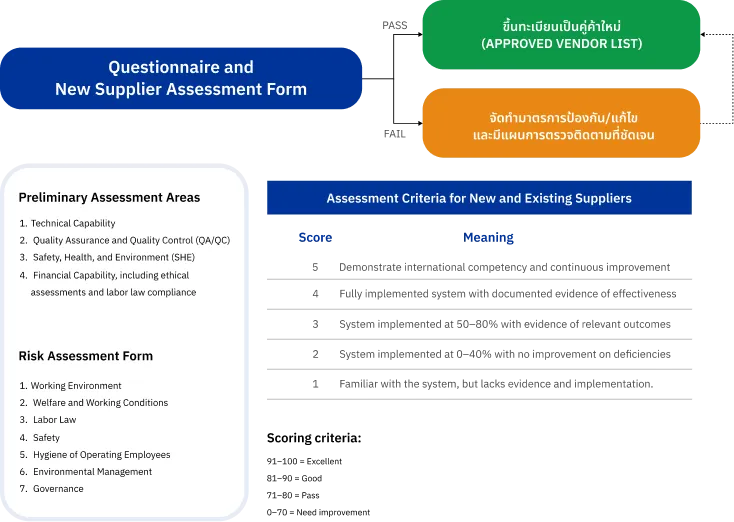
Once a new supplier achieves a passing score within an acceptable risk level and signs their acknowledgment of the Supplier Code of Conduct, the company will proceed with their registration. However, if a supplier fails to meet the assessment criteria or if outstanding risk issues are identified, the supplier must implement corrective actions or preventive measures, accompanied by a clear monitoring plan. They will only be eligible for registration once their assessment score reaches an acceptable level.
In 2025, the company registered 207 new suppliers. All of these suppliers successfully passed the qualification and selection process, representing 100% of all new suppliers.
Supplier Categorization
Identification of Critical Suppliers
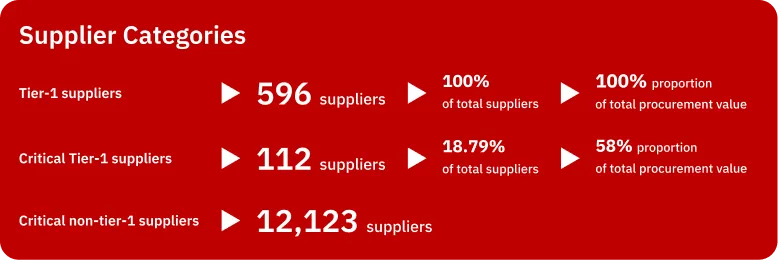
In 2025, the company had a total of 596 tier-1 suppliers and contractors in its supply chain. Out of this total, 249 were raw material suppliers, accounting for 41.78% of all suppliers.
The company analyzed and identified its Critical Suppliers—those whose operations could significantly impact the company's business continuity—from the pool of all suppliers and contractors delivering goods and services in the supply chain. The criteria used to determine critical suppliers include procurement value, the supply of essential business components, and high market dependency (sole-source suppliers or items with no viable substitutes), as detailed below:
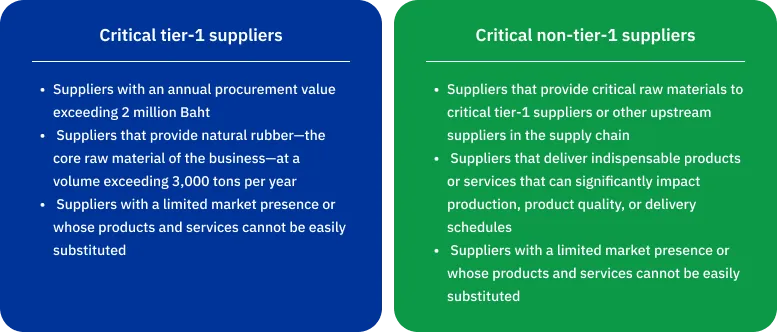
The company has 112 critical tier-1 suppliers and contractors, accounting for 18.79% of all suppliers. This group represents 58% of the total procurement value. Among these, 42 are raw material suppliers, making up 37.5% of the total Critical Tier-1 suppliers.
Additionally, in 2025, the company identified 12,123 critical non-tier 1 suppliers, 100% of whom are natural rubber producers. This number represents a significant increase of 644.66% from 2024. This substantial growth is due to the raw material suppliers participating in the company's EUDR (European Union Deforestation Regulation) project in 2025, who are smallholders operating within the networks of the company's tier-1 suppliers. Consequently, these smallholders, who serve as the primary source of raw materials in the supply chain, are designated as Critical Non-Tier 1 suppliers.
Supply Chain Risk Assessment
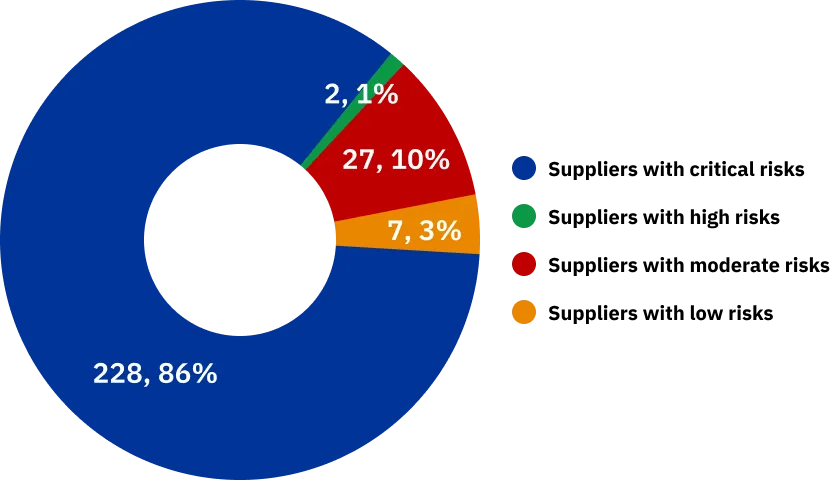
The company classifies supplier risks into low, medium, and high levels based on the evaluation scores. Suppliers with low risk are subject to standard periodic reviews and ongoing communication to maintain their performance. For suppliers identified with medium risk, the company provides recommendations and monitors their progress closely to prevent any escalation of risk. In cases where a supplier is categorized as high risk, the company requires the immediate development of a corrective action plan with a specific timeline, which is then verified through targeted follow-up audits to ensure the risks are successfully mitigated.
Supplier Auditing
The company conducts on-site supplier audits covering economic, environmental, social, and corporate governance dimensions, with the criteria and frequency of audits determined by the supplier's risk level. The procurement department and requisitioning department are responsible for carrying out these assessments. The company establishes an audit plan for each supplier category and issues a formal notification letter requesting an on-site audit, which specifies the date, time, and provides relevant audit criteria documents in advance.
In 2025, the company had a total of 37 suppliers that met the criteria for an on-site audit, and the company successfully completed audits for all 37 suppliers, representing 100% of the total suppliers required to undergo an assessment.
| Total number of suppliers required to undergo an on-site audit according to the 2025 criteria |
Number of suppliers that successfully completed the on-site audit during the year |
Proportion of suppliers that underwent the audit |
|
|---|---|---|---|
| Critical tier-1 suppliers | 19 | 19 | 100% |
| Non-critical tier-1 suppliers | 17 | 17 | 100% |
| New suppliers | 1 | 1 | 100% |
| Total | 37 | 37 | 100% |
Capacity Building for Suppliers and Farmers
Developing a sustainable supply chain that aligns with international standards or various regulations requires significant knowledge and engagement from suppliers, particularly those supplying key raw materials in the production process. The company focuses on raising awareness among raw material suppliers about responsible business practices, providing education on the quality and productivity of rubber, along with guidelines that comply with human rights principles and new regulation changes both domestically and internationally that affect the rubber industry.
The company assigned the procurement department to conduct surveys of the raw material suppliers' cultivation areas, engage in fieldwork to build relationships with farmers, and inquire about problems related to rubber cultivation. The company selected key issues that farmers are interested in and that have a high impact on them regarding economic, health and safety, as well as environmental aspects, in order to organize training projects to educate farmers on these matters. In 2025, the company implemented the following supplier development projects:
Low Emission Support Scheme (LESS)
The company has plans to reduce other greenhouse gas emissions (Scope 3), which primarily originate from the transportation of raw materials from suppliers. To address this, the company has sought and selected suppliers who are committed to adapting to climate conditions and have approaches to reducing greenhouse gas emissions. Recognizing that suppliers may not fully understand this issue, the company focuses on enhancing the capacity of local suppliers to learn and understand how to reduce greenhouse gas emissions in their operations as a priority. The company promotes participation in the Low Emission Support Scheme (LESS) run by the Thailand Greenhouse Gas Management Organization (Public Organization), offering consulting support to suppliers in preparing and verifying data related to greenhouse gas reduction activities. These activities may include reducing electricity usage, waste segregation, decreasing chemical fertilizer use in agriculture, reducing fuel consumption for transportation, and tree planting.
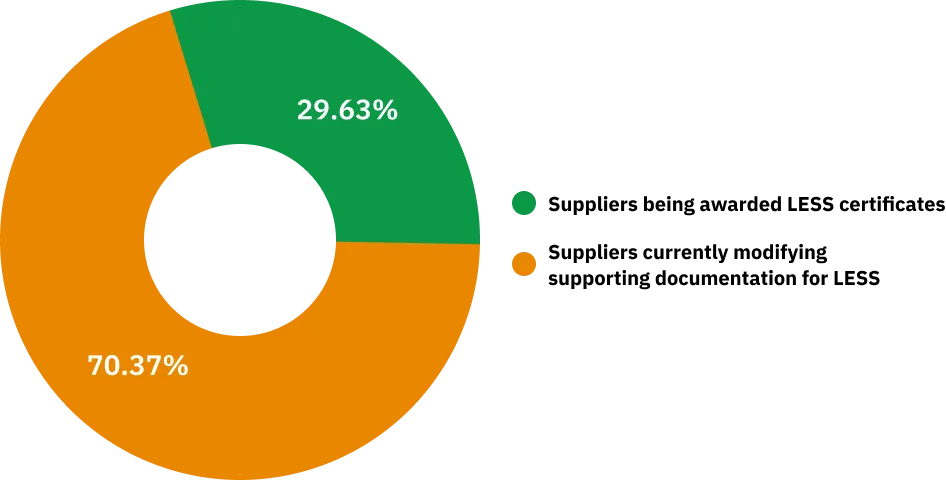
In 2025, a total of 27 suppliers participated in the LESS project. Among these, 8 suppliers successfully passed the assessment for greenhouse gas emission reductions and received Letters of Recognition (LOR), accounting for 29.63% of the total participating suppliers. The remaining 19 suppliers, representing 70.37%, are currently in the process of making improvements and gathering complete supporting documentation in accordance with the project's requirements. The activities of the certified suppliers successfully reduced greenhouse gas emissions by approximately 15.22 tons of carbon dioxide equivalent.
The company has established guidelines to continuously support raw material suppliers in developing their greenhouse gas data collection processes. This prepares them for applying for Carbon Footprint of Product (CFP) certification in the future, which will enable the company to utilize reliable data from suppliers to calculate its other indirect greenhouse gas emissions (Scope 3) moving forward.
NER for Sustainable Supply Chain Development Project - Year 4
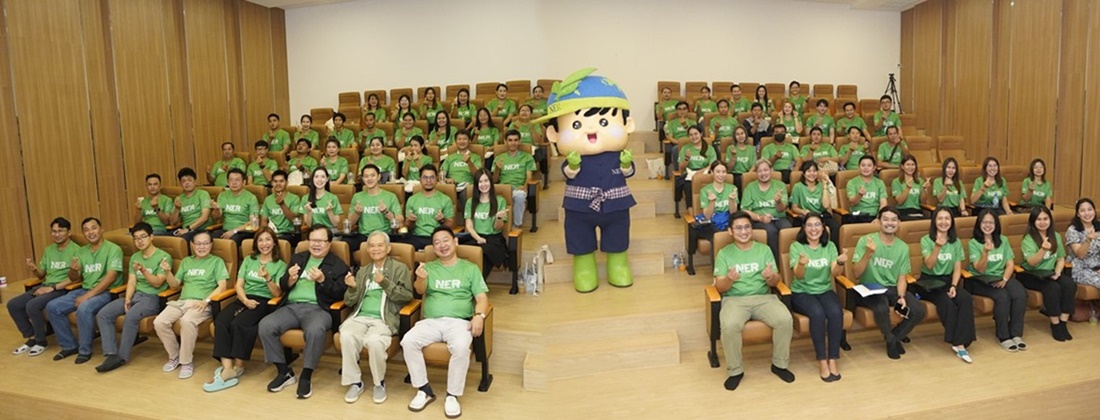
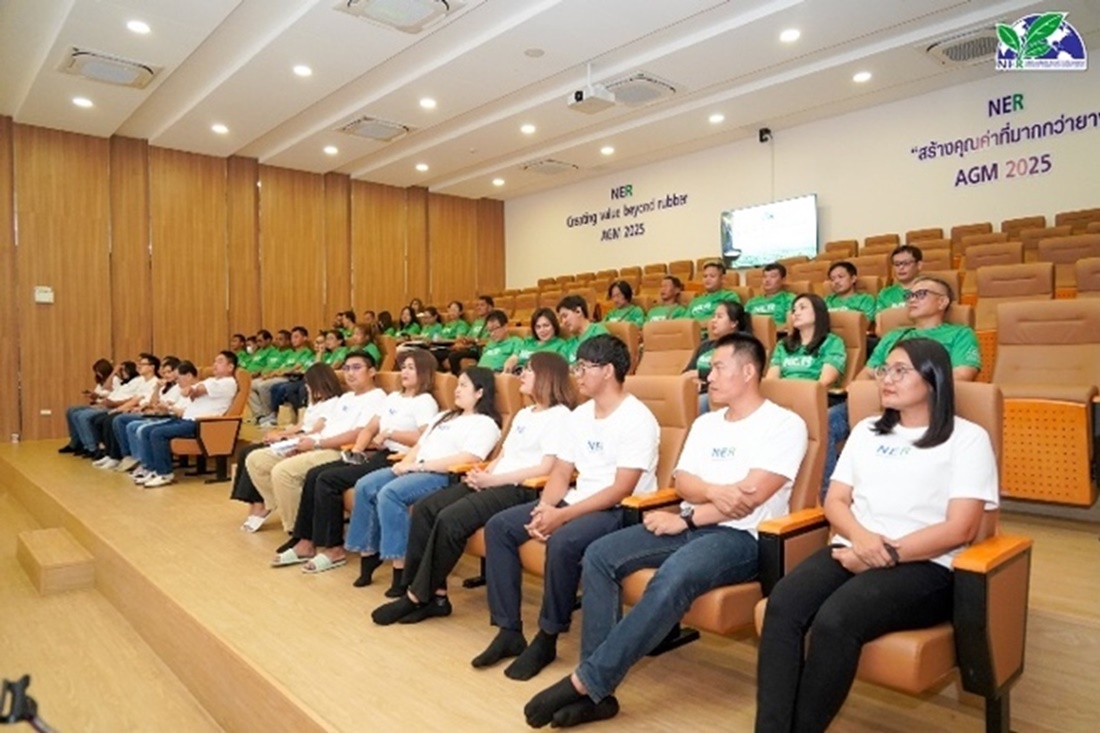
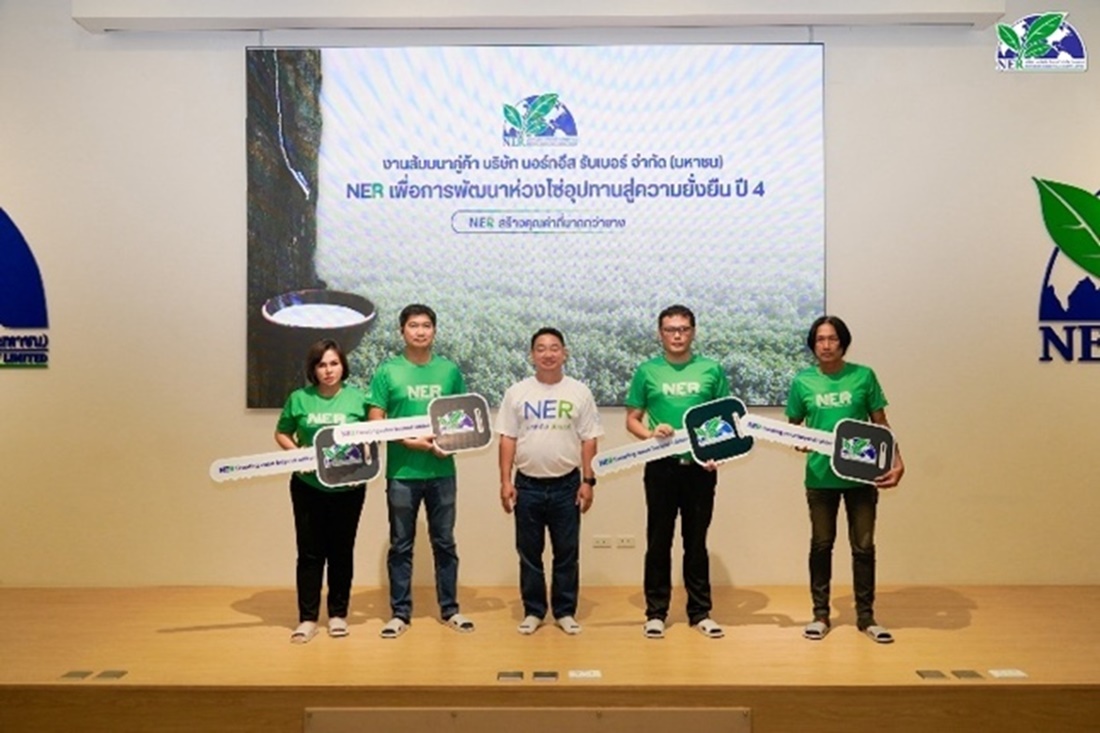
The company has implemented the “NER for Sustainable Supply Chain Development” project for the fourth consecutive year by organizing training for 65 farmer suppliers. These participants are critical tier-1 suppliers and supply 93.83% of the total raw material procurement volume. The training provided comprehensive knowledge on overall rubber production, ranging from producing high-quality rubber, inspecting contaminants in the rubber content, and factors affecting rubber tapping and latex volume, to latex harvesting and product delivery. The project aims to enable partner farmers to produce high-quality raw materials that can generate increased income for smallholders, partner groups, and middlemen in the primary raw material source areas.
The results from developing the farmer suppliers in this project have yielded better quality raw materials, helped reduce contamination in raw materials entering the company’s production system, and established responsible rubber production processes accepted by international markets. Examples include switching to using formic acid as a latex coagulant, which poses fewer health hazards than sulfuric acid, as well as recording data to enable raw material traceability by implementing coding on unsmoked rubber sheets and ribbed smoked sheets, and capturing GPS signals on cup lumps, allowing farmers to apply the acquired knowledge to enhance crop quality for higher value. Additionally, the company carries out public relations to provide information on changing situations and global market trends, preparing farmer suppliers to adapt and respond efficiently to the sustainable rubber trading industry.
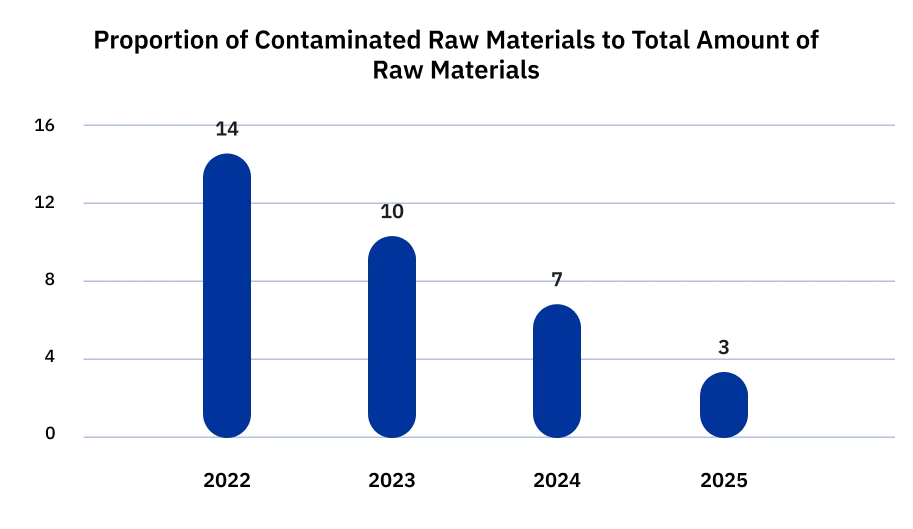
From the project's implementation throughout 2025, the trainees expressed a project satisfaction score of 97.76%. For these 65 Critical Tier-1 suppliers who deliver 93.83% of the total purchased raw materials, the company found that the raw materials received had a foreign matter contamination rate of 3%, a decrease from 7% in 2024, demonstrating continuous improvement in the production quality of local farmers. Furthermore, 38 raw material suppliers have installed coding to enable raw material data traceability, allowing the company to achieve a product traceability proportion of 12.14% of total manufactured products.
Supplier Development Program for EUDR (EU Deforestation Regulation)
The European Union has currently enacted the EU Deforestation Regulation (EUDR), which aims to reduce deforestation in the supply chain of rubber and wood products. This regulation mandates that products exported to the EU must be deforestation-free and have clear traceability back to their sources. As a result, this creates potential risks in the supply chain, such as increased costs related to reporting and tracing the supply chain, or small suppliers potentially losing their competitive edge by failing to meet EUDR criteria or being unable to comply.
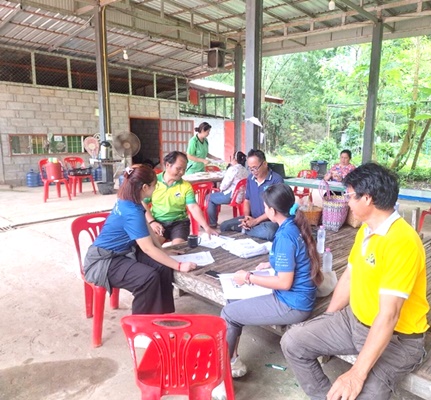
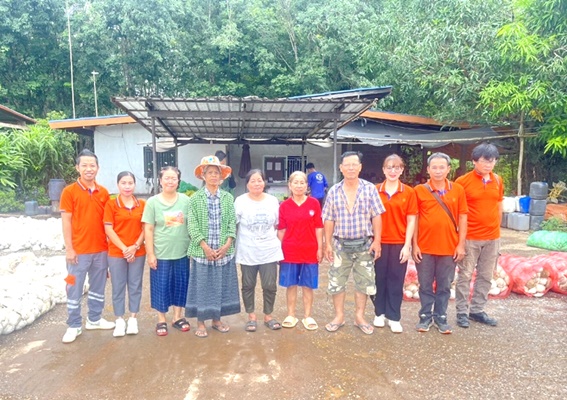
In response, the company has initiated a project to develop suppliers toward EUDR compliance to prepare its raw material suppliers and smallholders in the supply chain. The program encompasses knowledge and understanding of the EUDR and its impacts on the agricultural sector, along with practical guidelines for compliance with EUDR requirements, traceability, conservation of natural resources, and obtaining relevant certifications and international standards, along with the benefits or returns from participating in the program.
Responsible Sourcing of Raw Materials
The company believes that sustainable success must be based on systematic responsibility towards society and the environment in all business processes of the company and its suppliers. Therefore, a Responsible Sourcing Policy has been established to ensure that the procurement or sourcing processes of the company will help reduce negative impacts on the environment, society, and economy across the supply chain, while also creating value and sustainability for all stakeholders. Transparency and respect for human rights are considered core principles.
In addition, the company promotes the operations of suppliers and supports the procurement of raw materials from sources that are certified as environmentally friendly, such as the Forest Stewardship Council (FSC) standards and the EU Deforestation Regulation (EUDR). The company also undertakes additional actions to provide assurance to stakeholders regarding raw material procurement as follows:
Fair and Transparent Sourcing of Raw Materials
The company is committed to conducting the procurement of raw materials with integrity and fairness, establishing criteria, measures, and practices that are open, transparent, and verifiable. It places importance on all suppliers without discrimination and has developed a raw material procurement system that ensures equitable benefits between large and small suppliers. The procurement policy is communicated to all distributors and rubber farmers to ensure widespread understanding.
In 2025, the company implemented the following initiatives:
- In the procurement of rubber, buyers typically assess the rubber content through estimation or visual assessment, which can affect the calculation of raw material costs and may result in farmers not receiving accurate income from the sale of rubber. The company has therefore developed scientific methods and standards for analyzing the quality of rubber to ensure transparency and verifiability. This involves analyzing the rubber content, known as Dry Rubber Content (DRC), in a laboratory accredited under the ISO/IEC 17025:2017 standard. This test yields more accurate and reliable results that ensure fairness to suppliers.
- The company announces prices in advance through various channels so that suppliers are informed before making decisions to sell raw materials. The purchasing price is based on the central market price set by the Rubber Authority of Thailand or verified prices from credible sources, and these prices are updated regularly to reflect the current market conditions.
- Procurement of local raw materials not only enhances business efficiency through stable sourcing but also reduces costs and energy consumption during transportation. Additionally, it contributes to the sustainable development of local communities, economies, and environments. The company is committed to supporting local economic development, especially grassroots economies, by purchasing rubber from smallholder farmers and local small enterprises without limiting itself to any specific group. It also provides appropriate weighing and measuring equipment according to the size of suppliers to ensure accurate weight measurement of raw materials, without unfairly disadvantaging small farmers or favoring large producers. The company’s genuine intention and sincerity in promoting straightforward business relations with smallholder farmers have resulted in a continuous increase in the number of small suppliers, in line with its goal to raise the proportion of rubber raw materials sourced from small suppliers relative to the total rubber used in production.
Promoting Good Liquidity for Suppliers
The company places importance on conducting business fairly with suppliers to promote cash flow management and working capital for both suppliers and the company. Therefore, it has established policies and practices for the payment of goods and services to suppliers in a fair, accurate, transparent, and timely manner, paying according to the installments or credit terms specified in the contract conditions. This policy has been communicated for mutual understanding since the suppliers are registered. The details of the payment process are categorized into two groups as follows:
- For the rubber raw material group, the payment schedule is determined according to the Raw Material Payment Policy.
- In the case where the supplier delivers a quantity of raw materials not exceeding 200 tons, the payment terms are within 2 business days, excluding the date of delivery.
- In the case where the supplier delivers a quantity of raw materials of 200 tons or more, the payment terms are to be made within 2 business days after the supplier has completed the ordered amount.
- For general suppliers, the payment period is set to be within 15-30 days from the invoice date, depending on the payment terms.
However, the payment period may not align with the policy due to the constraints of each business and various factors that need to be considered, such as the type of business for products and services, and the duration specified in contracts with suppliers, among others.
The average payment period to suppliers for the company over the year is detailed as follows:
| According to Policy | 2024 | 2025 | |
|---|---|---|---|
| Average payment terms for raw material suppliers | 2 business days | 1 day | 30 day |
| Average payment terms for general suppliers | 15-30 business days | 1 days | 30 days |
Verification of Raw Material Acquisition
The verification of the sourcing of rubber is a critical process in the company's operations that helps create transparency throughout the supply chain. This ensures that the sourced materials comply with standards in terms of quality, legality, and ethics, while also preventing potential issues related to procurement. The company has implemented the following approaches:
| Approaches | NER’s Actions |
|---|---|
| 1. Inspection of the source of raw materials | The company conducts verification and documentation collection related to raw material acquisition, such as licenses, certificates of quality, or documents confirming the legality of suppliers, to validate the source documents. It also assesses the sustainability of rubber, ensuring that rubber plantations do not encroach on reserved forest areas or adversely affect the environment. For instance, certification systems such as FSC (Forest Stewardship Council) or PEFC (Program for the Endorsement of Forest Certification) are utilized. |
| 2. Transparency audit in the procurement process | The company announces the purchasing prices for rubber through online communications, email, Line, and the company website, enabling suppliers to verify buying prices and analyze them against market rates to ensure transparency. Additionally, the company has implemented an ordering and reservation program for trading rubber, along with a purchasing tracking system to monitor every step from procurement, transportation, to payment. |
| 3. Raw material quality inspection | Quality assessments of the raw materials are performed prior to acceptance, including checking the quantity of contaminants present with the raw materials. Samples of rubber are taken from incoming suppliers for quality testing, including the assessment of cup lump rubber to determine the dry rubber content (DRC). The quality of sheet rubber is verified against the raw rubber standards set by the Rubber Authority of Thailand within an accredited laboratory. |
| 4. Legal compliance audit | The company also verifies legal compliance of documents such as tax invoices, export licenses (in cases of imports or exports), and checks the regulations of the exporting country, including environmental regulations or export prohibitions, to reduce the risk of legal violations. |
| 5. Monitoring safe and sustainable sourcing processes | A traceability system is implemented for the rubber from suppliers, tracking information from the production source to delivery points, and the suppliers are evaluated on sustainability issues. |
| 6. Ethical and human rights assessment | The company conducts assessments and evaluations of suppliers 1-2 times a year, focusing on labor treatment issues, including the use of child labor, forced labor, or human rights violations, as well as adverse impacts on local communities. |
| 7. Support for data verification with certified agencies | External auditing firms are employed to ensure transparency and credibility in the raw material sourcing process, such as certification organizations for FSC, ISO auditors, or other accredited agencies. |
| 8. Training and development of the purchasing team | The company supports the development of its employees to enhance their knowledge and expertise in conducting audits and developing skills in quality assessment of raw materials and document verification, ensuring correct and credible operations. |
| 9. Complaint management and reporting | Various channels for receiving complaints are established, such as written complaints, Line, and the website, along with a systematic complaint management process, which involves notifying relevant stakeholders, reporting audit results, and disseminating information about the raw material procurement process to ensure transparency. |
Traceability throughout the Supply Chain
The company has set a target for 10% of the products sold in 2025 to be traceable back to their origin, increasing to 50% by 2030, in order to enhance data transparency and credibility within the supply chain, as well as to support compliance with customers' traceability requirements, international standards, and relevant regulations such as EUDR and FSC. The company has established an operational plan to collaborate with raw material suppliers to develop processes and data management systems for tracing raw materials back to their production sources throughout the entire supply chain, as follows:
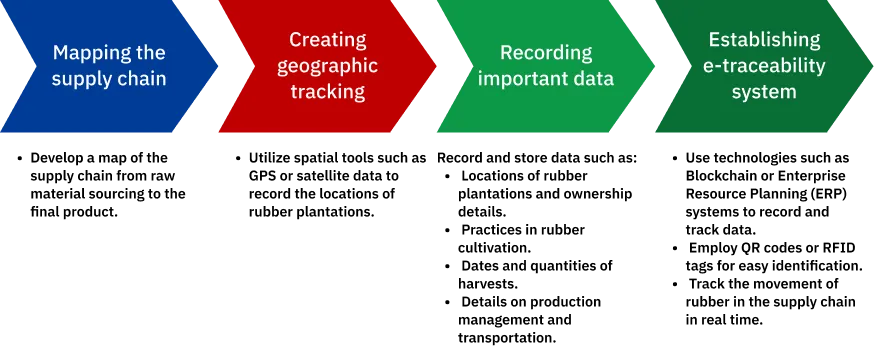
In 2025, the products sold that could be traced back to their origin accounted for 7.07% of all products, which was below the established target of 10%. However, when considering the total volume of products manufactured in 2025, the company achieved a product traceability proportion of 12.14%, an increase from 10.26% in 2024. This was the result of progress in developing data collection processes, tracking systems, and traceability throughout the supply chain. The company continues to accelerate system development and expand the scope of traceability to achieve its long-term targets for 2030.
The main goals and notable outcomes of the initiatives focused on Sustainable supply chain are summarized in the table below.
| Long-term Goals 2030 |
2025 Targets | 2025 Performance | |
|---|---|---|---|
| Percentage of critical suppliers assessed for sustainability risks to total suppliers | 100% | 60% | 44.30% |
| Percentage of natural rubber from small suppliers to the total amount used in production | Greater than 30 | 10% | 6.56% |
| Proportion of traceable products to total products sold | 50% | 10% | 7.07% |