Management Approach
The company recognizes the importance of respecting the human rights of stakeholders in all activities throughout the supply chain. Therefore, it conducts business in accordance with international practices related to respecting the human rights of stakeholders, including rights concerning natural resources and the environment. This ensures that the company's operations are conducted with careful consideration and prudence, treating all stakeholder groups equally and without discrimination based on gender, sexual orientation, age, race, nationality, religion, disabilities, or different opinions, while avoiding any actions that may lead to direct or indirect human rights violations.
The company has established a Labor and Human Rights Working Group consisting of 9 members from relevant departments, chaired by the Executive Vice President of Organizational Development. This working group is responsible for overseeing and monitoring operations related to labor, such as compliance with labor laws and human rights principles, employment practices, working conditions, health and safety, as well as human resources development. Additionally, the working group plays a role in conducting comprehensive human rights due diligence (HRDD), providing advice and recommendations to establish measures for mitigating or preventing risks per set objectives. It also disseminates and communicates information on human rights both internally and externally to foster a correct understanding throughout the organization. The working group holds regular monthly meetings to monitor ongoing operations and reports to the Corporate Sustainability Development Committee and the Corporate Governance and Sustainable Development Committee at least once per quarter.
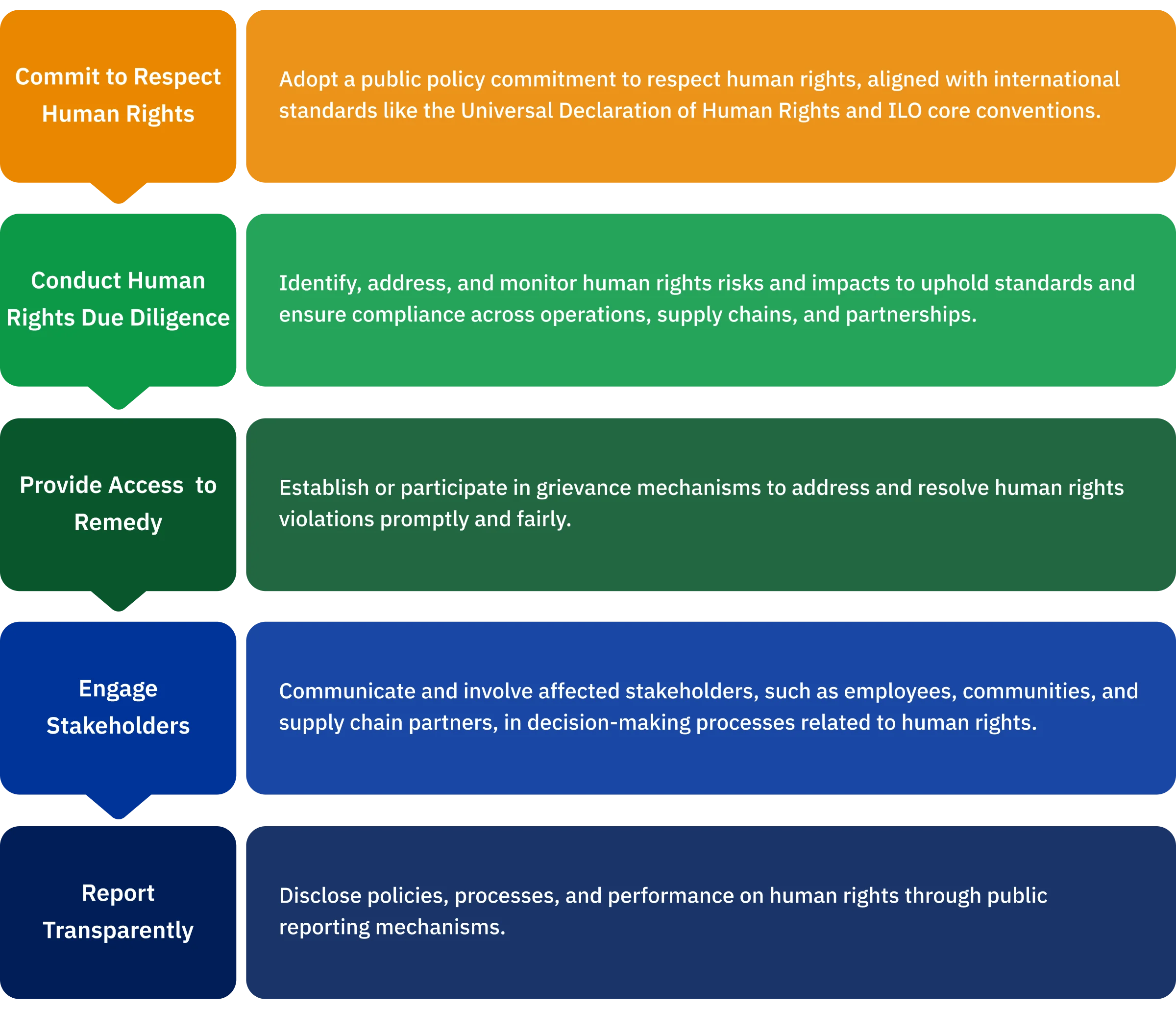
The company has developed a framework for human rights operations that aligns with the United Nations Guiding Principles on Business and Human Rights (UNGP) to serve as a guideline for the Board of Directors, executives, and employees at all levels as follows:
Human Rights Policy
The company has established a Human Rights Policy and a Human Rights Practices Handbook that align with the United Nations Guiding Principles on Business and Human Rights (UNGP), the OECD Due Diligence Guidance for Responsible Business Conduct, the Universal Declaration of Human Rights (UDHR), as well as relevant laws in Thailand and abroad concerning business operations. These documents serve as guidance for the Board of Directors, executives, and employees at all levels to treat all stakeholder groups in all activities throughout the supply chain in accordance with human rights principles and to respect human dignity, rights, and freedoms equally.

| Labor Rights Practices Guidelines | |
|---|---|
| 1. Treatment of Employees and Workers |
|
| 2. Employment Practices |
|
| 3. Labor Utilization |
|
| 4. Wages and Benefits |
|
| 5. Workplace Safety |
|
| 6. Freedom of Association and Collective Bargaining |
|
Human Rights Risk Assessment
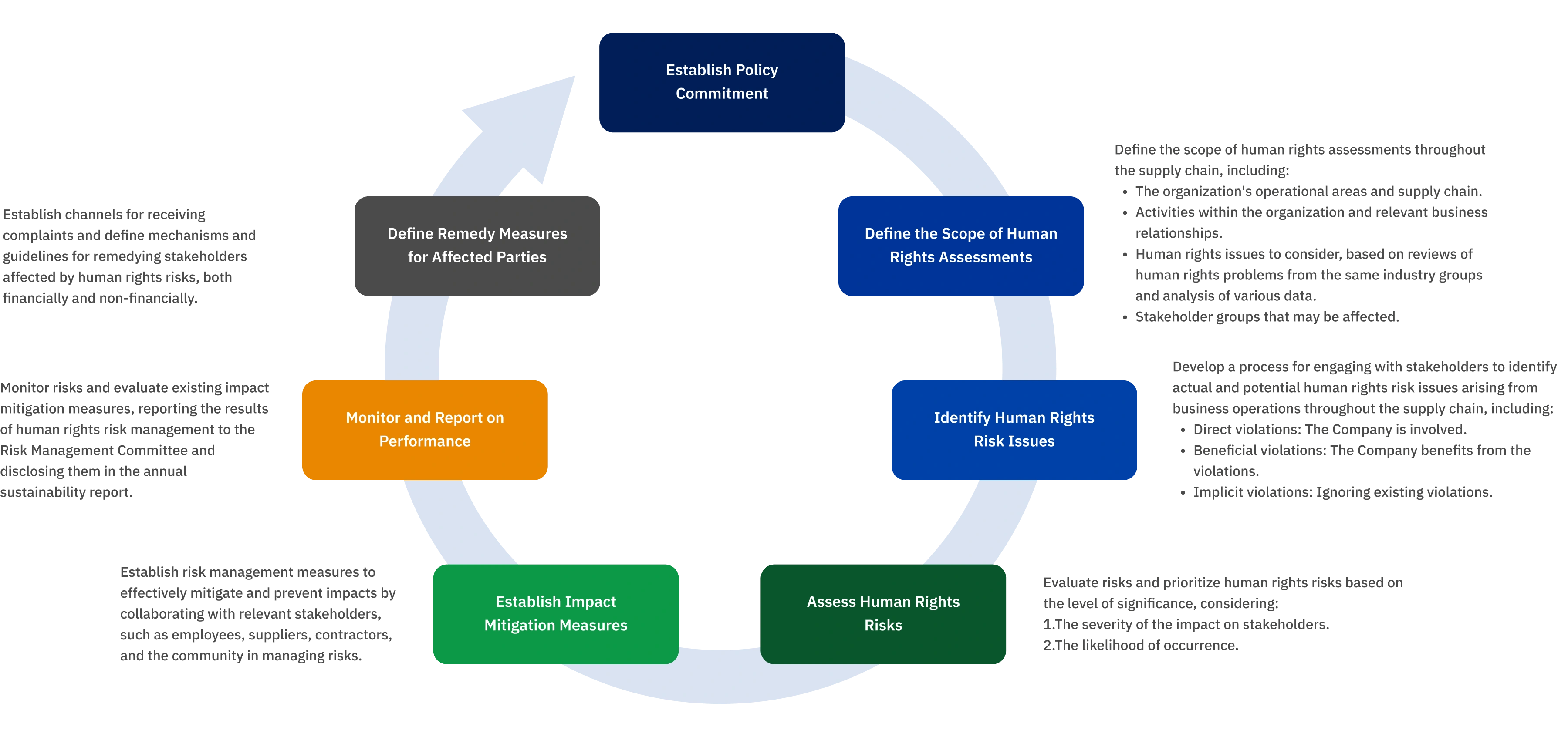
The company mandates a comprehensive Human Rights Due Diligence (HRDD) at least once a year to identify and evaluate risks, as well as to establish corrective and preventive measures against human rights violations across all business activities, including the operations of stakeholders throughout the supply chain. The operational processes align with the United Nations Guiding Principles on Business and Human Rights (UNGP) and the principles of Free, Prior, and Informed Consent (FPIC) for Indigenous Peoples. The comprehensive Human Rights Due Diligence process includes the following steps:
2025 Performance
In 2025, the company conducted a comprehensive Human Rights Due Diligence (HRDD) and risk assessment, covering 100% of its business processes and operational sites. The scope extends across the entire supply chain and business activities linked through business relationships, such as raw material suppliers. The company identifies human rights risks through a robust process of identifying and assessing business impacts on the economy, environment, and people, including human rights, in alignment with the GRI Standards 2021 and the Double Materiality approach for sustainability reporting. Furthermore, human rights risks are integrated into departmental risk assessments, such as Environmental Impact Assessments under ISO 14001:2015 (Environmental Management System) and safety risk assessments under ISO 45001:2018 (Occupational Health and Safety Management System).
Related Human Rights Risk Issues
The company has identified human rights issues related to its operations throughout the supply chain, as follows:
| Labor Rights | Community Rights | Supplier Rights | Customer Rights | In Supply Chain |
|---|---|---|---|---|
|
|
|
|
|
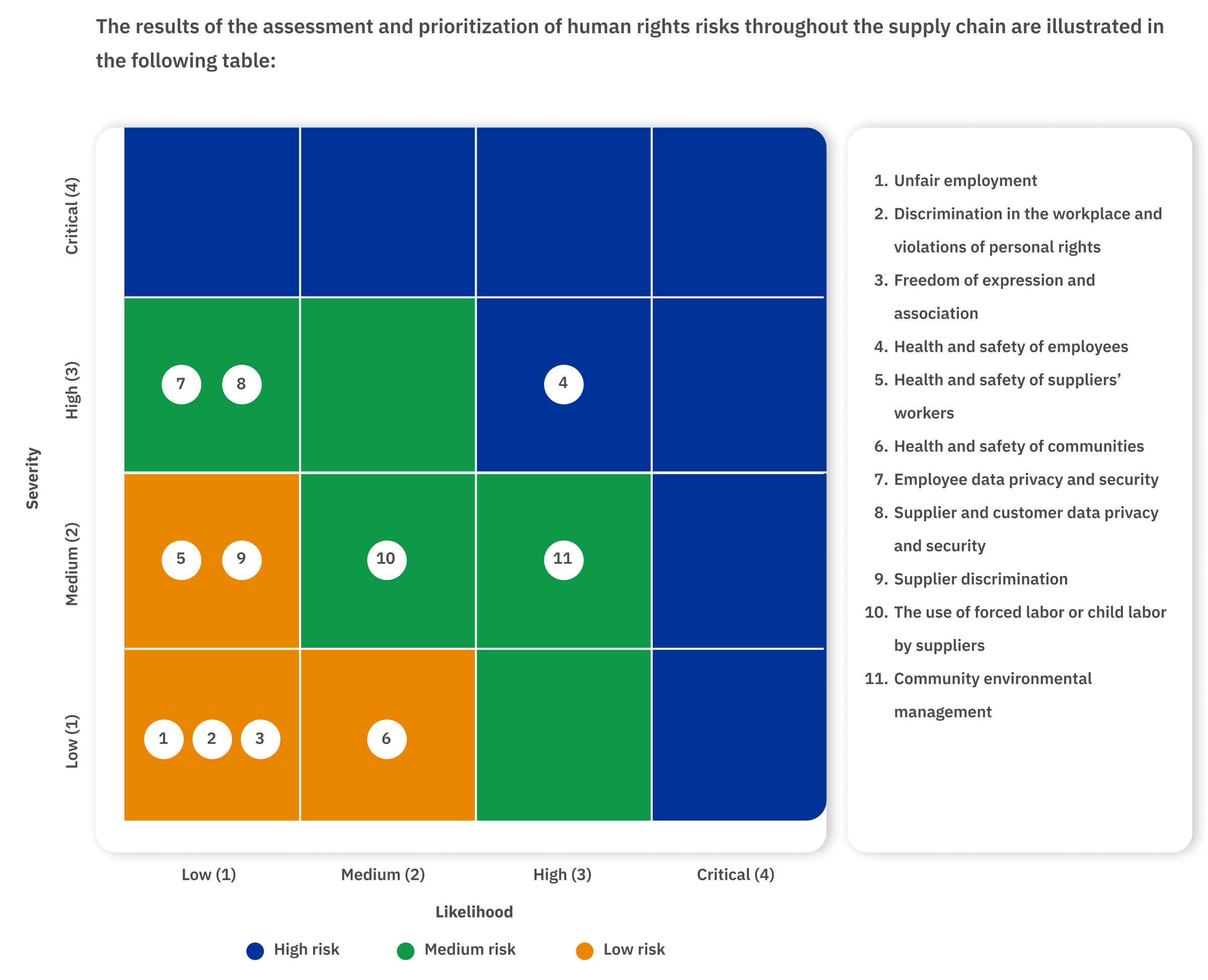
Assessment of Salient Human Rights Risks
Human Rights Risk Management
The company identified one high-level human rights risk issue, which is the health and safety of its employees, as well as four medium-level risk issues. Consequently, the company has established management measures to mitigate impacts and prevent future occurrences, along with appropriate remediation for the affected individuals. This process involves collaboration with stakeholders who have been or may be directly affected, such as employees, suppliers, customers, and local communities, to determine effective, appropriate, and sufficient measures. The company has implemented the following various measures:
| Scope | Salient Human Rights Risk | Affected Stakeholder Group | NER’s Corrective, Preventive & Remedial Action |
|---|---|---|---|
| Activities in the company’s operations | Labor Rights | ||
| Discrimination in the workplace and violations of personal rights | Employee |
|
|
| Unfair employment | Employee |
|
|
| Freedom of expression and association | Employee |
|
|
| Health and safety of employees | Employee |
|
|
| Employee data privacy and security | Employee |
|
|
| Community Rights | |||
| Health and safety of communities | Community |
|
|
| Supplier Rights | |||
| Supplier discrimination | Supplier |
|
|
| Supplier data privacy and security | Supplier |
|
|
| Customer Rights | |||
| Customer data privacy and security | Customer |
|
|
| Activities in the supply chain | Labor Rights in the Supply Chain | ||
| The use of forced labor or child labor by suppliers | Workers of raw material suppliers, suppliers, and contractors |
|
|
| Health and safety of suppliers’ workers | Workers of raw material suppliers, suppliers, and contractors |
|
|
| Community Rights | |||
| Health and safety of communities | Community |
|
|
| Community environmental management | Community |
|
|
Communication and Training on Human Rights
The company conducts training to promote awareness of human rights among executives, employees, and suppliers, with the aim of fostering an understanding of the fundamental concepts and principles of human rights. This training enhances awareness of the respect for rights and human dignity, cultivates an organizational culture that supports equality and diversity, and promotes peaceful and effective collaboration within the organization. In the year 2025, the company implemented the following activities:
The company requires all new employees to undergo initial training on the company’s human rights policy to ensure understanding of practices aligned with international standards, including the rights and responsibilities of employees in respecting human rights. This training is part of the orientation program. In 2025, all new employees, totaling 237 people (100%), completed this training.
Additionally, the company conducted human rights refresher training for employees across all departments, totaling 416 individuals, representing 43.24% of the total 962 employees. This training aimed to review knowledge for existing employees and provide orientation for new employees related to human rights issues concerning labor law compliance, privacy rights, prevention of discrimination, respect for diversity in the workplace, and building understanding and awareness of various indicators that may lead to forced labor violations and legal labor protections. It also included managing situations of human rights violations, with training conducted by Ms. Nilawan Chantraprathak, Head of Training Section, Human Resources Department, served as the lecturer for the "Human Rights Violation Management" sessions. The training was conducted for employees every second and fourth week of the month over a period of three months, from September to November 2025, totaling six sessions.
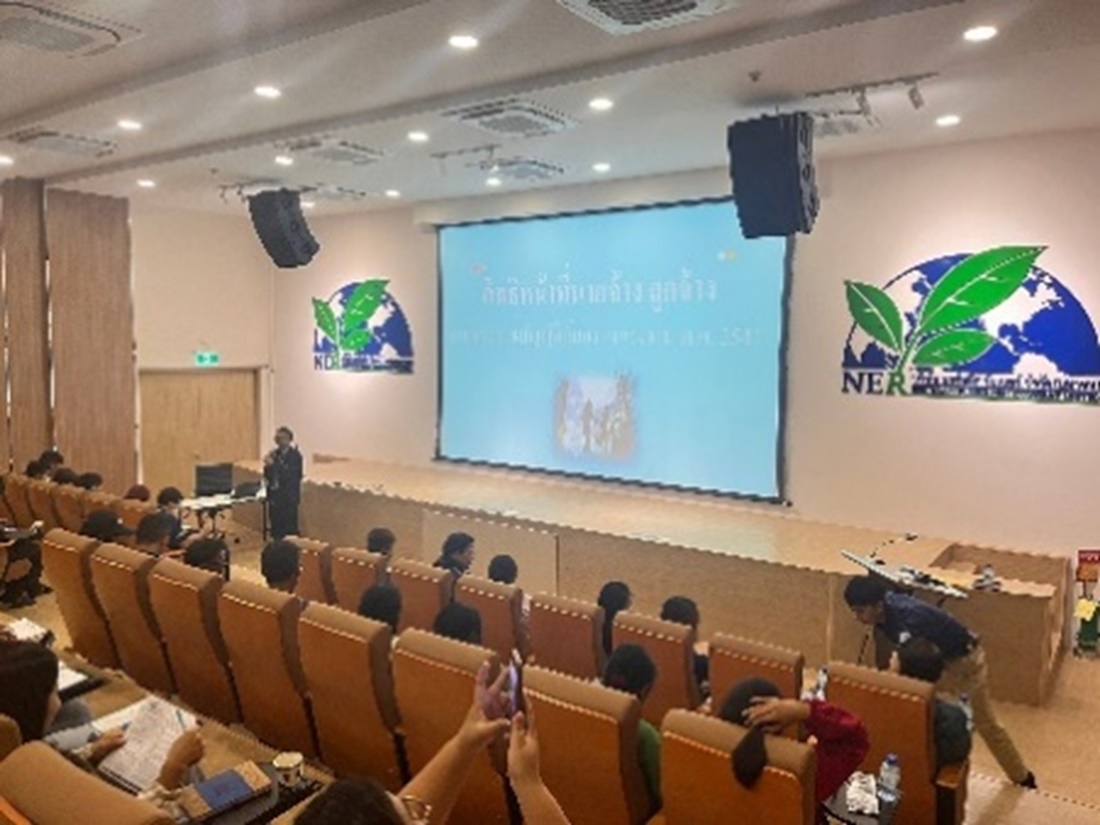
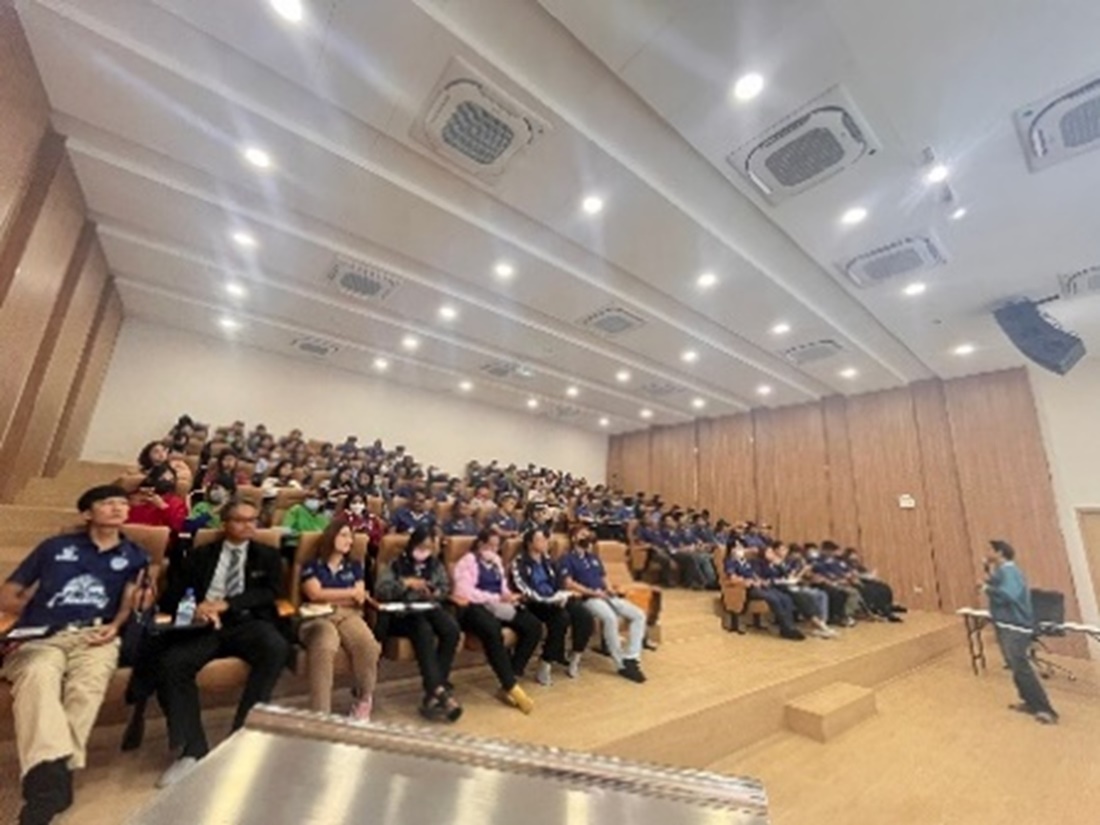
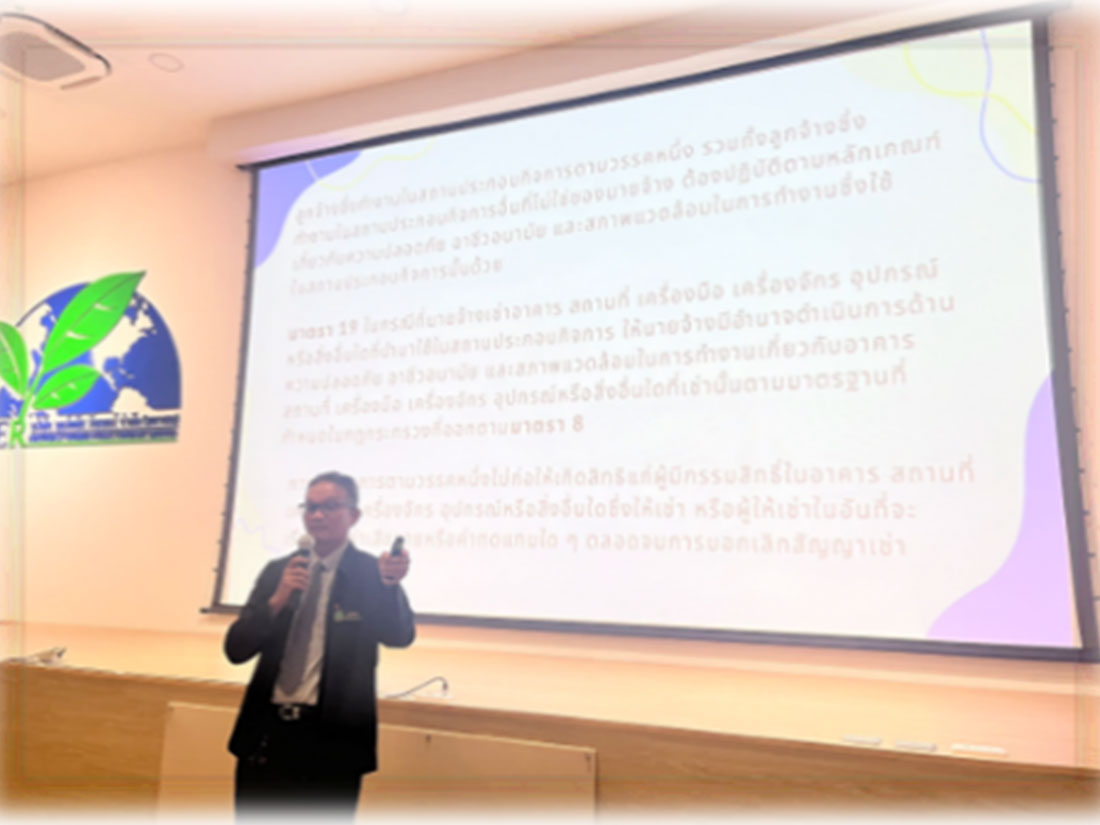
In 2025, the company initiated a special lecture for its natural rubber suppliers for the second consecutive year, to promote sustainability and transparency within the supply chain. The focus was on raising awareness, fostering understanding, and encouraging collaboration in accordance with international human rights standards and Thai labor laws. A total of 66 suppliers participated in the training, representing 26.51% of the total 249 natural rubber suppliers, held on March 15, 2025.
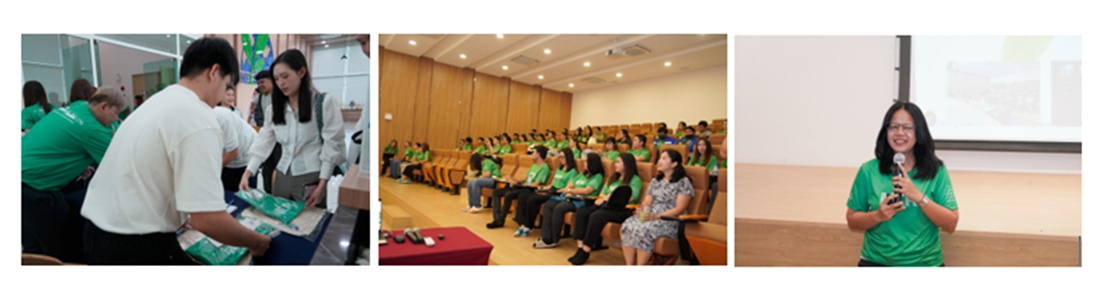
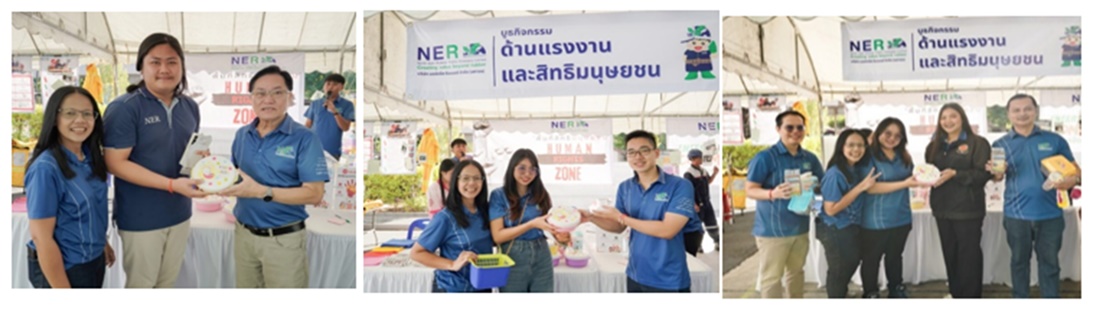
The company conducts human rights activities and communicates relevant information through various channels, such as newsletters, the intranet, and public relations boards, to raise awareness and understanding of human rights among employees at all levels. This includes an engagement activity held on December 15, 2025, at the plaza in front of the company's headquarters, aimed at promoting knowledge and understanding of human rights principles and labor rights related to business operations. The event featured educational materials and an interactive game titled "Identifying Activities that May Constitute Human Rights Violations" to stimulate participation and reinforce awareness of performing duties with respect for the rights of others.
A Welfare Committee has been established within the company, consisting of employee representatives who can raise opinions and concerns or act as spokespeople on behalf of employees in developing welfare policies. This ensures transparency and appropriateness of employee welfare measures.
Employees are trained on human rights and occupational safety, including health risk awareness, workplace practices, and compliance with safety regulations. Training also covers the proper use of equipment and tools suitable for each job type. Additionally, occupational health and safety services are provided.
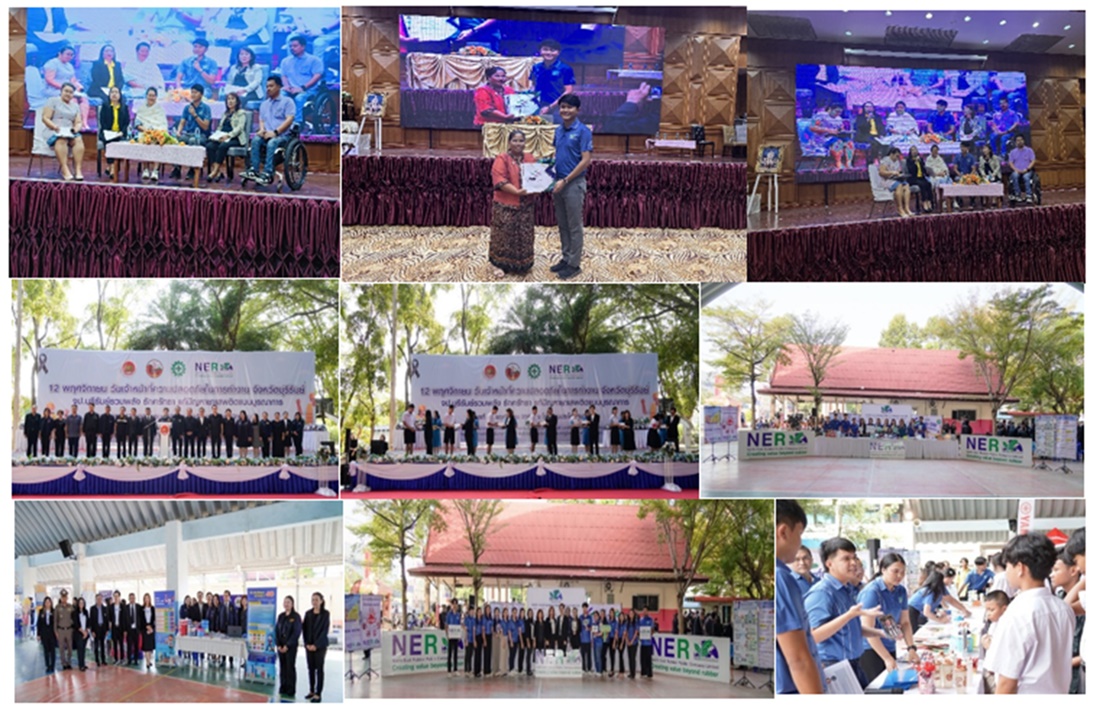
The company has established a network of collaboration on labor and human rights with both government and private sectors in the province, supporting knowledge sharing and participation in significant activities related to labor and human rights. For example, by participating in Labor Day events or delegating personnel to serve as guest speakers on safety and basic knowledge under the "Project to Strengthen Knowledge of Rights and Welfare for Persons with Disabilities.” This initiative was held under the theme 'Buriram Safety Officers Unite: Integration of Faith and Passion in Drug Prevention and Solutions,' organized by the Buriram Provincial Office of Labour Protection and Welfare in collaboration with the Buriram Safety Officer Club.
The company places great importance on promoting diversity and treats all employees with respect and equity in every aspect of its operations. It is committed to creating a fair and discrimination-free working environment, focusing on employment, skill development, and providing opportunities for career advancement. The company has implemented the following concrete practices:
| Policy | Approach |
|---|---|
| 1. Fair Employment and Management |
The company conducts employment, compensation, training, promotions, and termination of employment in an equitable manner, free from discrimination based on race, religion, nationality, gender, disability, or any other personal status. Selection and compensation considerations are based primarily on abilities and suitability for the positions, adhering to principles of equality. This includes equal pay for equal work, regardless of gender or age. |
| 2. Respect for Personal Rights and Freedoms |
The company respects the privacy and individual rights of employees to observe their religious beliefs, faiths, personal identities, and individual necessities, provided that such practices do not adversely affect their job performance, workplace safety, the rights of colleagues, or the company's operations. |
| 3. Prevention of Harassment and Exploitation |
Any form of expression or behavior that constitutes oppression, intimidation, sexual harassment, or exploitation of employees is prohibited. Additionally, actions that violate organizational ethics are not permitted, with disciplinary sanctions for violations specified in the company's work regulations. |
| 4. Support for Women's Labor Rights |
There is no requirement for women to undergo pregnancy tests or contraceptive measures, and the company provides care for pregnant women in accordance with legal requirements, creating a work environment that supports equal labor rights. |
| 5. Capacity Development and Career Advancement Promotion |
The company establishes career paths and supports the development of all employees' capacities equally by providing individual development plans and opportunities for diverse training and skill development. This includes learning, training, and preparation for changes or new responsibilities in the future, along with transparent performance evaluations, such as assessing performance, competencies, and appropriate behaviors. |
| 6. Fair Treatment of Stakeholders |
The company is committed to fair and non-discriminatory treatment of all job applicants, contractors, suppliers, and relevant stakeholders. Furthermore, it provides appropriate grievance and whistleblowing channels to ensure that any potential instances of discrimination can be reported confidentially and safely. |
In 2025, the company reported zero (0) incidents of discrimination against employees or stakeholders and found no substantiated grievances regarding discrimination based on race, color, gender, religion, age, disability, or any other status. Consequently, there were no cases requiring investigation, remediation, or outstanding follow-up actions during the reporting year. Furthermore, the company provides independent and confidential grievance and whistleblowing channels to ensure that all employees are treated fairly and have access to equal opportunities.
The company requires a review of human rights risk issues to be conducted regularly, at least once a year, as the human rights risks associated with the company’s business operations may change due to different activities and stakeholder groups. Additionally, the company monitors and evaluates the effectiveness of corrective and preventive measures by establishing indicators to serve as tools for tracking and assessing the effectiveness of the risk management measures employed. The details are as follows:
| Human Rights Issues | Indicator | 2025 Target | 2025 Performance |
|---|---|---|---|
| Labor Rights | Percentage of employees trained on human rights. | 100% | 43.24% |
| Number of complaints or lawsuits related to labor rights violations for which the organization is at fault. | 0 | 0 | |
| Confirmed Cases of Human Rights Violations Against Employees | 0 | 0 | |
| Lost Time Injury Frequency Rate (LTIFR). | 0 | 3.62% | |
| Rate of fatalities or disabilities due to work-related accidents (Major Accidents). | 0 | 1 | |
| Turnover rate of employees caused by human rights violations. | 0 | 0 | |
| Community Rights | Confirmed Cases of Human Rights Violations Against Local Communities | 0 | 0 |
| Number of significant complaints from the community related to human rights violations. | 0 | 0 | |
| Supply Chain | Percentage of suppliers signing to acknowledge the company’s Supplier Code of Conduct. | 100% | 100% |
| Percentage of critical tier-1 suppliers who have received training on human rights. | 100% | 58.92% | |
| Percentage of raw material suppliers audited for human rights, labor practices, safety, and environmental management. | 100% | 2.01% | |
| Confirmed Cases of Child Labor | 0 | 0 | |
| Confirmed Cases of Forced Labor | 0 | 0 |
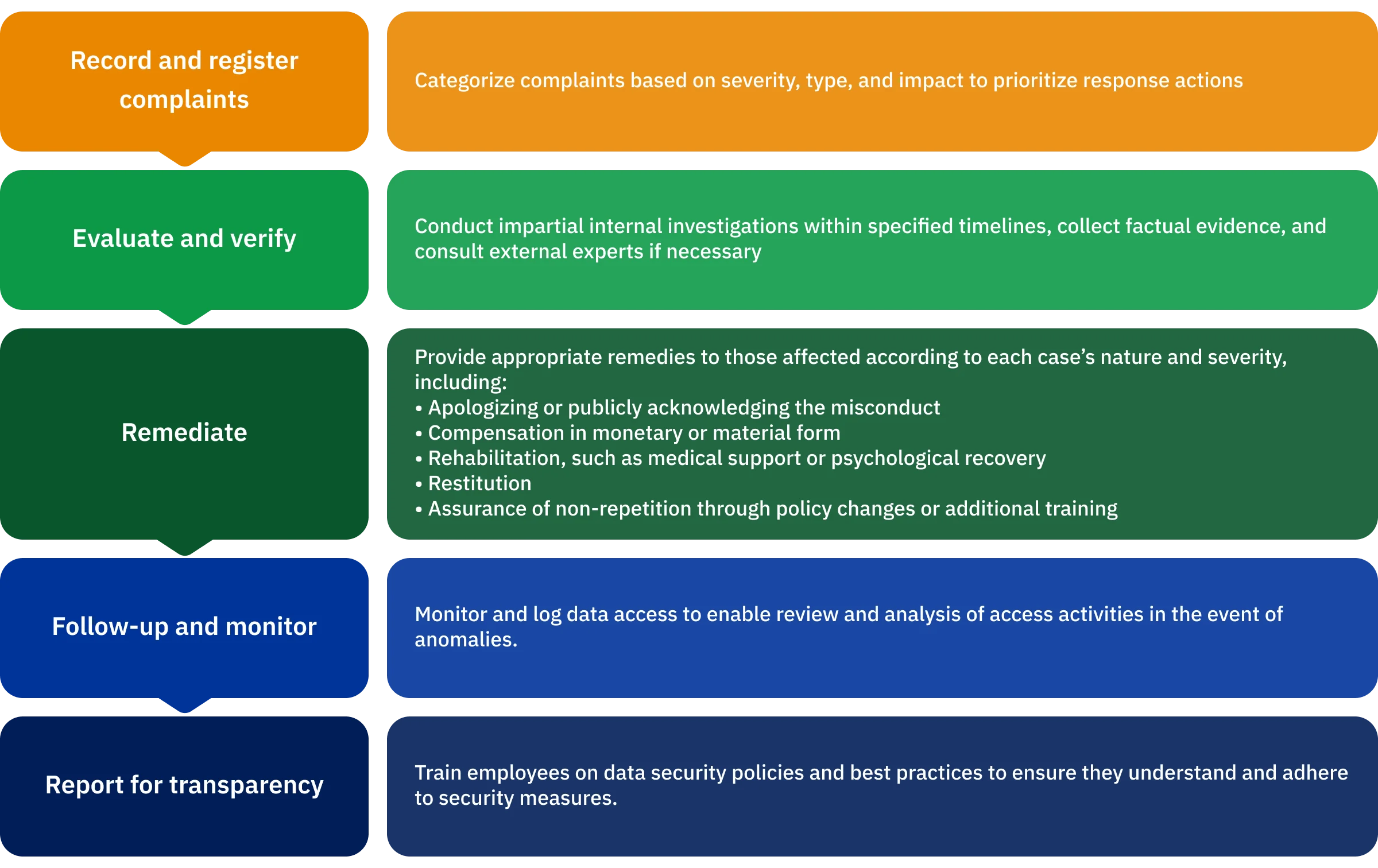
The company has established formal grievance mechanisms in accordance with the Human Rights Manual, providing a robust platform for employees, suppliers, communities, and external stakeholders who may be impacted by our business activities to report concerns directly. These mechanisms explicitly cover human rights issues, including discrimination, harassment, child labor, forced labor, and unfair employment conditions, as well as broader social impacts on the local community.
To ensure the process is accessible to everyone, the company offers diverse reporting channels that accommodate both disclosed and anonymous reporting while strictly guaranteeing data protection and whistleblower confidentiality. Internal stakeholders can utilize suggestion boxes placed throughout company premises, an online grievance system accessible via the Red QR Code, email, the company intranet, Line Chat Groups, or communicate through Welfare Committee representatives and Human Resources officers. For external stakeholders, grievances can be submitted through mail, the official website, social media platforms, suggestion boxes at the factory entrance, the security team, or through designated community representatives.
Upon receiving a report, the company initiates a systematic and fair investigation process that includes grievance screening, factual verification, and the determination of appropriate corrective or remedial actions. The company monitors each case and communicates progress to the complainant as specified in the Human Rights Manual, ensuring that these mechanisms effectively prevent, mitigate, and remedy human rights impacts arising from the operations.
Throughout 2025, the company’s human rights performance resulted in zero (0) confirmed cases of human rights violations arising from our operations. Furthermore, no substantiated grievances regarding human rights abuses were identified through the company’s reporting channels from employees, suppliers, communities, customers, or any other relevant stakeholders.
Regarding the supply chain, the company continuously monitored human rights issues within the defined scope of our supplier assessment and management processes. In 2025, there were no confirmed cases of human rights violations among the suppliers undergoing assessment, and consequently, no instances required remedial actions due to human rights infringements.
| Long-term Goals 2030 |
2025 Goals |
2025 Performance |
|
|---|---|---|---|
| Number of salient human rights complaints | 0 | 0 | 0 |
| Use of child labor or forced labor in the supply chain (cases) | 0 | 0 | 0 |