Climate Governance
The company places significant importance on overseeing and managing risks or opportunities related to climate change. Therefore, it has established a "Climate Change Management Policy"
The Corporate Sustainability Development Working Committee, comprising executives from all departments of the company, is responsible for assessing risks arising from climate change, establishing measures to prevent and mitigate physical risks caused by changing climate conditions, as well as transition risks related to domestic and international laws and regulations that must be complied with. The committee also sets targets for reducing greenhouse gas emissions in alignment with international practices and monitors the progress of implementation.
With a steadfast commitment to achieving Carbon Neutrality by 2030, the company has established explicit, quantitative organizational targets across short, medium, and long-term horizons. These targets are defined as absolute targets, detailed as follows:
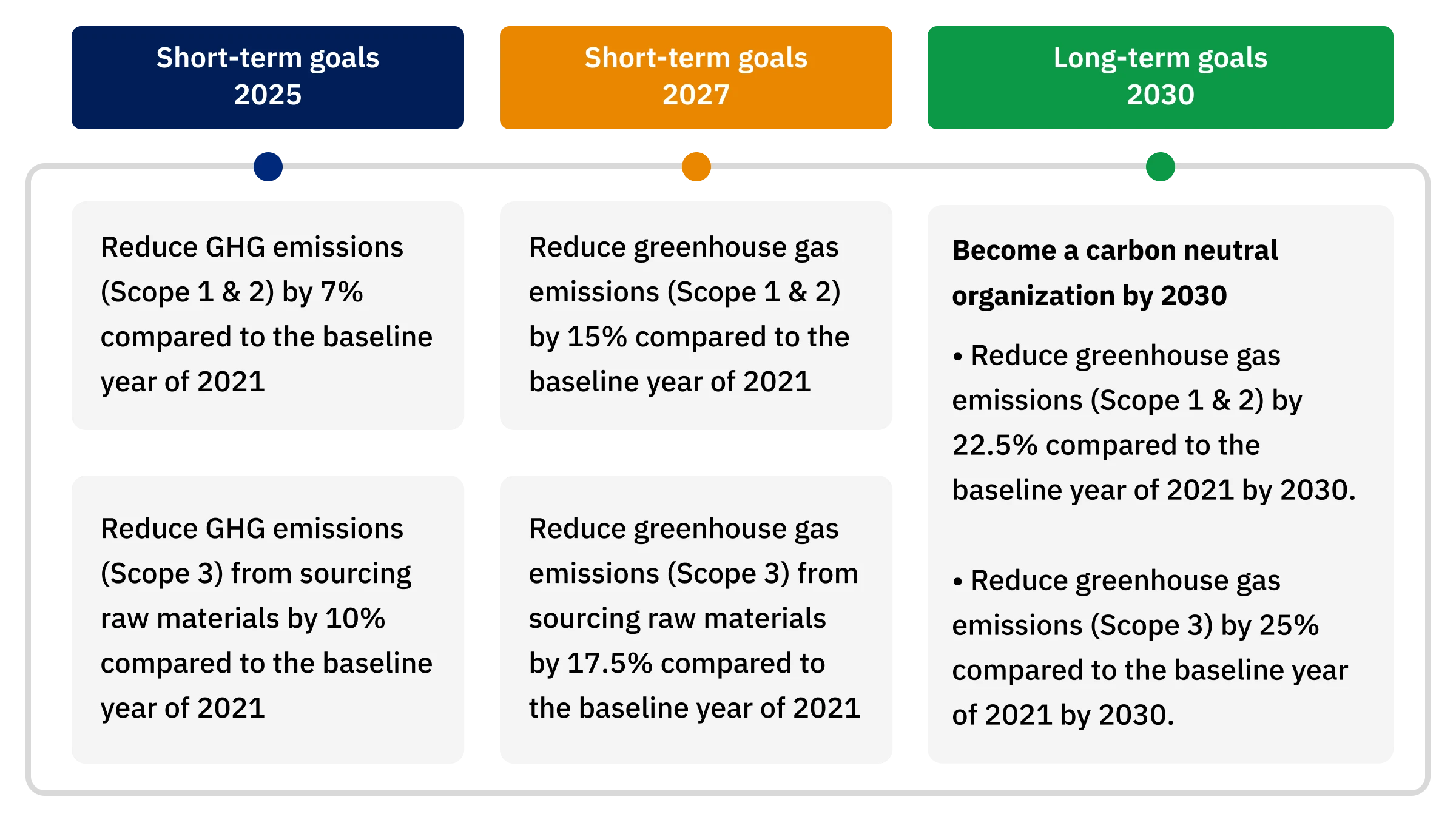
Corporate Greenhouse Gas Management Plan (2024 - 2030)
Under our commitment to achieving Carbon Neutrality by 2030, the company has established long-term targets to reduce Scope 1 and Scope 2 GHG emissions by 22.5%, and to reduce Scope 3 GHG emissions from raw material procurement by 25% by 2030, compared to the 2021 base year. Accordingly, the Corporate GHG Management and Reduction Plan, along with GHG Removal Pathways for 2024–2030, has been formulated as follows:
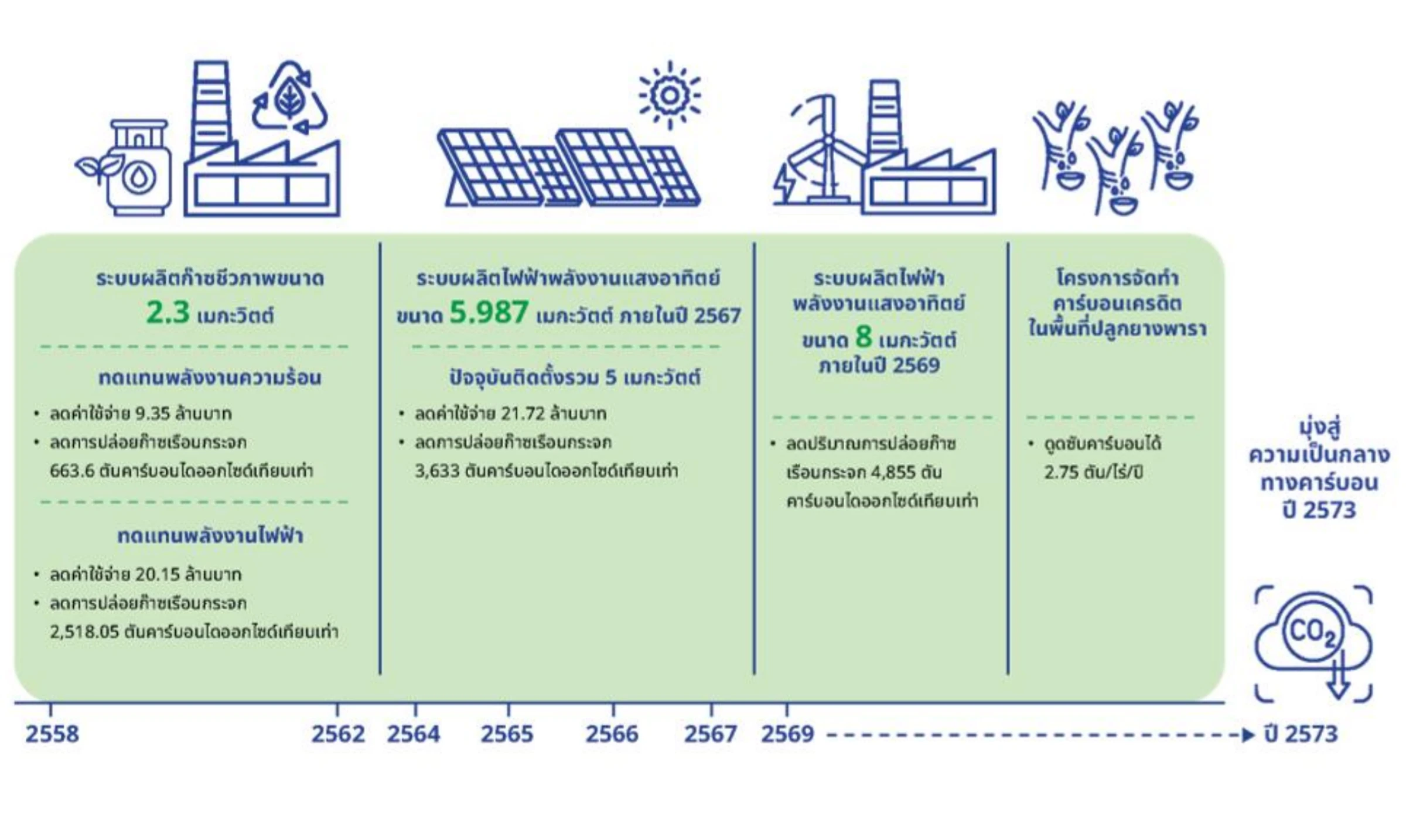
Strategies for GHG Emissions Reduction and Carbon Removal
The company has integrated its Climate Transition Plan into its corporate strategy and long-term business plans, setting a target to reduce Scope 1 and Scope 2 GHG emissions by 22.5% by 2030 compared to the 2021 base year. The base year emissions totaled 28,850 tons of CO2 equivalent (tCO2e), establishing a total reduction target of 5,816.25 tCO2e. To drive this initiative, the company has designated renewable energy adoption and energy efficiency enhancements as its core strategic measures.
As of the end of 2025, the company achieved a total installed solar power capacity of 5.987 Megawatt-peak (MWp), which mitigates approximately 3,823.43 tCO2e of GHG emissions annually, representing 65.74% of the total reduction target. This calculation is based on the location-based emission factor for Thailand's electricity grid.
Moving forward, the company plans to expand its solar energy capacity to 8 MWp by 2026, which is projected to increase its carbon reduction potential to approximately 5,108.98 tCO2e per year, or 87.84% of the overall mitigation target. The remaining gap will be addressed through manufacturing process energy efficiency measures and the substitution of fossil fuels with biomass energy. Implementing these measures not only ensures successful progress toward the GHG reduction targets outlined in our transition plan, but also minimizes long-term energy expenditures while strengthening production cost stability.
| Solar Energy Installation Status | Greenhouse Gas Emissions Reduction (tCO2e per Year) |
Contribution Proportion to the Total Reduction Target |
|---|---|---|
| Installed: 5.987 Megawatt-peak (MWp) | Approximately 3,823.43 | Approximately 65.74% |
| Upon expansion to 8 Megawatt-peak (MWp) | Approximately 5,108.98 | Approximately 87.84 |
Note:
1. The calculation of greenhouse gas emission reductions from electricity consumption is based on the grid emission factor for Thailand (Location-based), which is 0.4999 tCO2e/kWh in accordance with the Thailand Greenhouse Gas Management Organization (TGO) announcement for the base year (2021), to serve as a baseline for comparison against the target year.
2. The calculation of electricity generation from the solar PV system is based on the actual average solar irradiance and operational yield (Specific Yield) of 3.5 kWh/kWp/day (equivalent to 1,277.5 kWh/kWp/year).
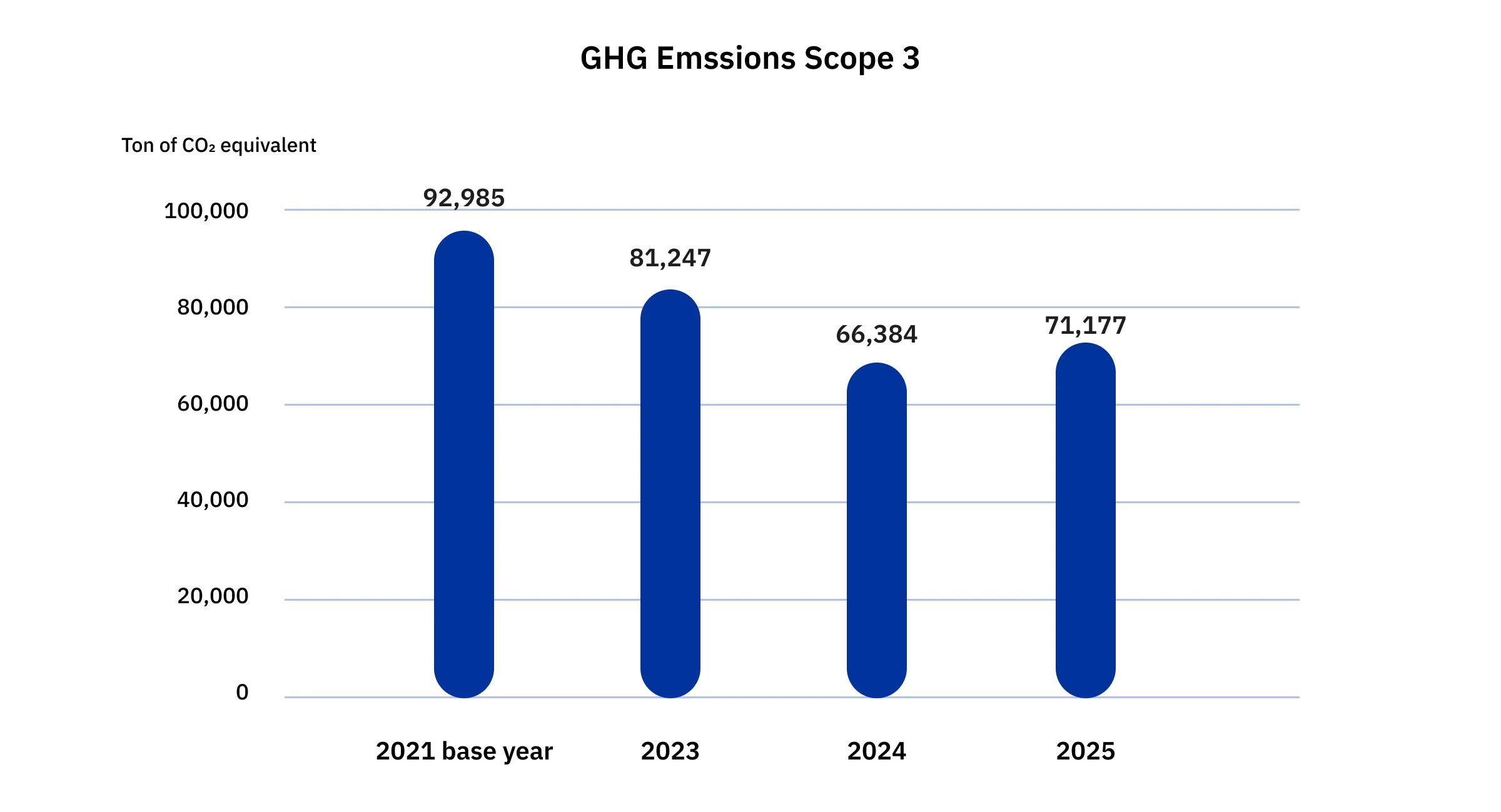
Furthermore, the company has set a target to reduce other indirect GHG emissions (Scope 3) from raw material procurement (Category 1: Purchased Goods and Services), which represents the primary share of the company's total Scope 3 emissions, by 25% by 2030 compared to the 2021 base year. The base year emissions for this category totaled 92,985 tons of CO2 equivalent (tCO2e), establishing a total reduction target of 23,246 tCO2e. Calculations are performed in accordance with the GHG Protocol Corporate Value Chain (Scope 3) Standard. Currently, the company is developing a supply chain GHG management framework and constructing an emissions database for core raw material suppliers to determine appropriate future mitigation measures. In 2026, the company plans to launch a Supplier Engagement Program aimed at promoting carbon data disclosure and co-developing collaborative reduction pathways. The company will review and disclose the progress of this operational plan on an annual basis.
2025 Strategic Performance
In 2025, the company incurred capital investments and operational expenditures driven by the implementation of the climate transition plan to reduce GHG emissions. This financial allocation—encompassing investments and expenditures in energy efficiency optimizations, fuel switching in the rubber drying processes, machinery upgrades, and energy and GHG data management systems—totaled 75.78 million THB, representing 0.27% of the company’s total expenditures. The operational performance outcomes are detailed below:
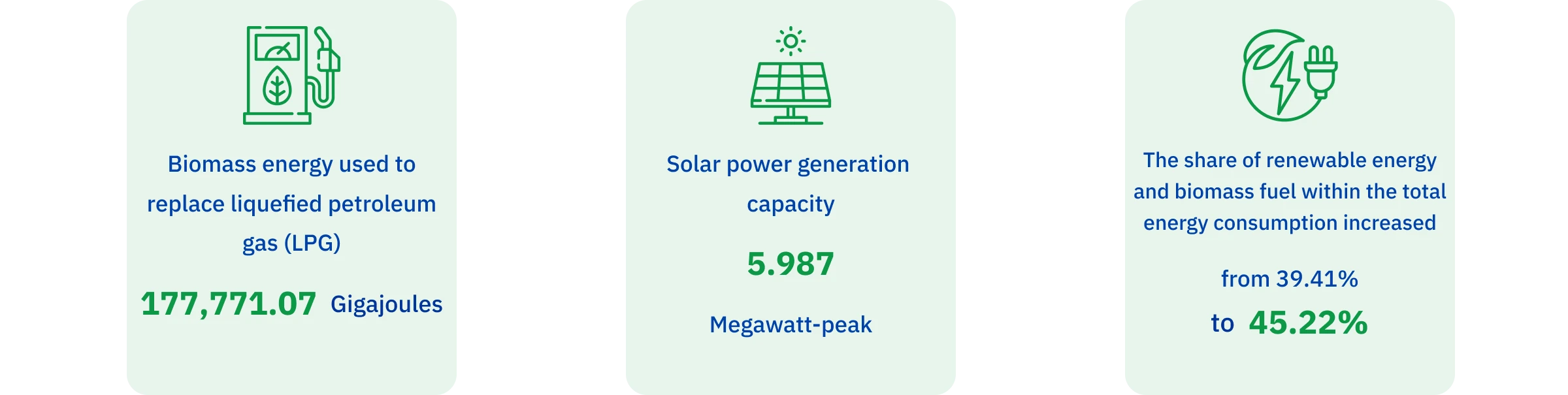
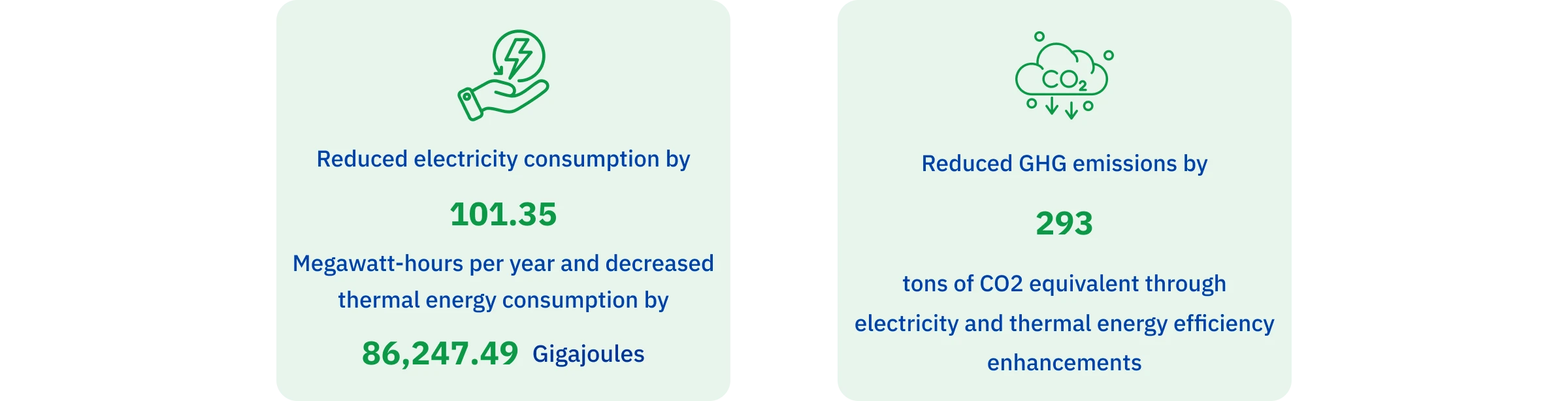
- Supplier Operations
The company has established plans to reduce its Scope 3 GHG emissions, the majority of which originate from supplier operations, including both raw material and logistics providers. Consequently, it prioritizes the selection and capacity building of the suppliers, enabling them to adapt and operate businesses aligned with GHG reduction pathways. The company encourages suppliers to participate in the Low Emission Support Scheme (LESS), initiated by the Greenhouse Gas Management Organization (Public Organization) or TGO. It also provides advisory support to help suppliers compile GHG emission data for activities eligible under the LESS program, such as energy efficiency improvements, waste management, reduction of chemical fertilizer usage in agriculture, resource efficiency, and tree planting.
In 2025, 27 suppliers participated in the LESS program. Among these, 8 suppliers successfully passed the verification process for their GHG emission reductions and were awarded Letters of Recognition (LOR). These certified supplier activities contributed to an estimated GHG reduction of 15.22 tons of CO2 equivalent (tCO2e). Furthermore, the company continuously supports raw material suppliers in enhancing their GHG data collection practices, preparing them for future Carbon Footprint of Product (CFP) certification. This ensures that reliable, verified data from suppliers can be seamlessly integrated into the calculation of the company's other indirect GHG emissions (Scope 3) moving forward.
- Transportation and logistics
The company has supported the transportation of goods or rubber materials by utilizing a more efficient logistics system, such as rail or water transport, which emits fewer greenhouse gases compared to air transport. Additionally, the company has employed electric trucks for transportation and consolidated shipments by using trucks for rubber material delivery instead of pickups in order to reduce transportation cycles and enhance delivery efficiency. In 2025, the company implemented changes to transport rubber containers for export, with a distance of approximately 377 kilometers from the factory to the Laem Chabang Port in Chonburi. By using a diesel-powered container truck, only one container could be transported at a time. In contrast, using rail transport allowed for the simultaneous transportation of up to 60 containers in a single trip. Throughout 2025, the company transported a total of 6,684 containers by rail, resulting in a reduction of greenhouse gas emissions from transportation by approximately 21,679.29 tons of carbon dioxide equivalent.
- The company reduced waste generation in the production process that requires disposal by incineration or landfilling by 2,485.20 tons.
- The company increased the proportion of raw materials containing recycled material and adjusted the use of rubber raw materials with a lower greenhouse gas emission factor, accounting for 1.89 % of total raw materials.
- The company decreased electricity consumption in the wastewater treatment process by 83,218.66 kilowatt-hours in 2025 through improved water efficiency and reduced wastewater generation from the production process before entering the wastewater treatment system.
- The company sorted recyclable waste to reduce the amount of waste sent to landfills by 2,495.45 tons.

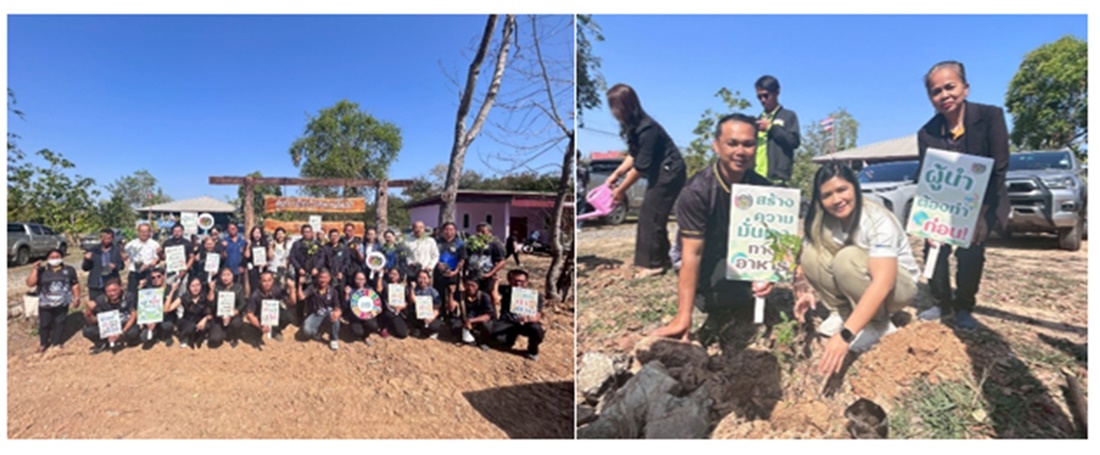
The company supports tree planting initiatives to absorb carbon dioxide, which serves as a key approach to mitigating climate change impacts and enhancing ecological balance. In 2025, the company partnered with representatives from government agencies and relevant sectors—including the Prakhon Chai District Agricultural Office, the Prakhon Chai District Public Health Office, the Khok Ma Subdistrict Municipality, the District Chief of Prakhon Chai, community leaders, and local residents, totaling 48 participants. Together, they took part in a tree-planting activity under the 'Strong Subdistrict Driven by the Philosophy of Sufficiency Economy' agenda at Khok Ma Subdistrict, Prakhon Chai District, Buriram Province.
Furthermore, the company has established a Carbon Management Working Group to define guidelines and mechanisms for corporate greenhouse gas management, covering both emission reductions and carbon removals. A primary focus is leveraging green spaces as a key tool for carbon sequestration. The working group is currently conducting multi-dimensional feasibility studies on rubber plantation areas, considering factors such as physical site characteristics, carbon absorption and storage potential, and alignment with carbon credit regulations and methodologies, as well as long-term impacts on communities and the environment. This initiative prioritizes supporting and collaborating with local farmers by promoting knowledge sharing, encouraging participation in land management, and developing approaches that yield mutual benefits across economic, social, and environmental dimensions, ultimately striving for long-term shared value creation.
Corporate Greenhouse Gas Emissions
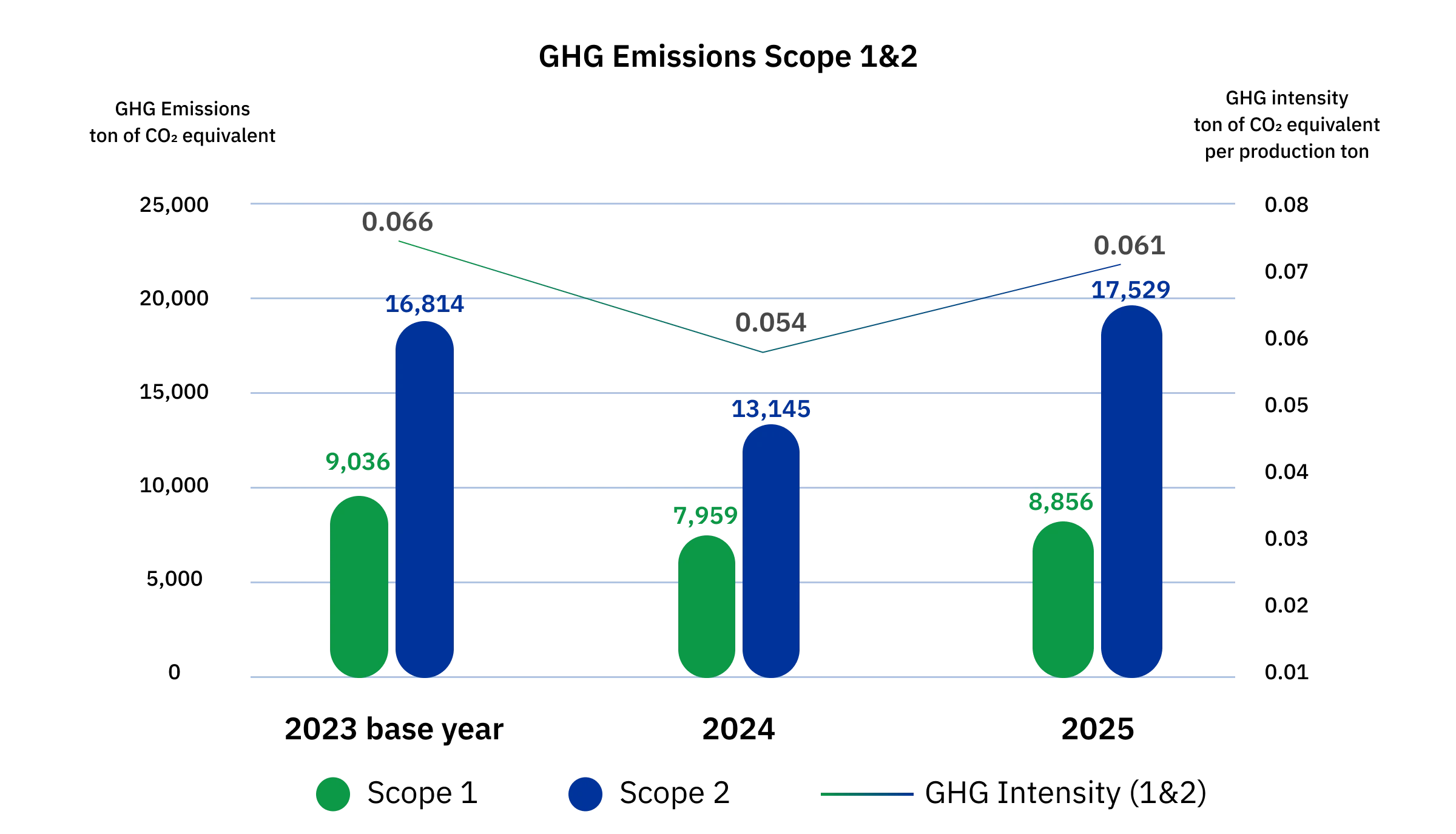
On August 22, 2025, the company received Carbon Footprint for Organization (CFO) certification and registration from the Thailand Greenhouse Gas Management Organization (Public Organization) or TGO for the reporting period from January 1 to December 31, 2024. Following the formal verification and certification process, the certified Scope 1 emissions for 2024 were revised from 8,569 tCO2e to 7,959 tCO2e, representing a decrease of 610 tCO2e or 7.12%. It is important to note that this adjustment resulted from the rigorous data verification and validation process to ensure reporting accuracy, rather than a change in the company’s actual operational performance for 2024.
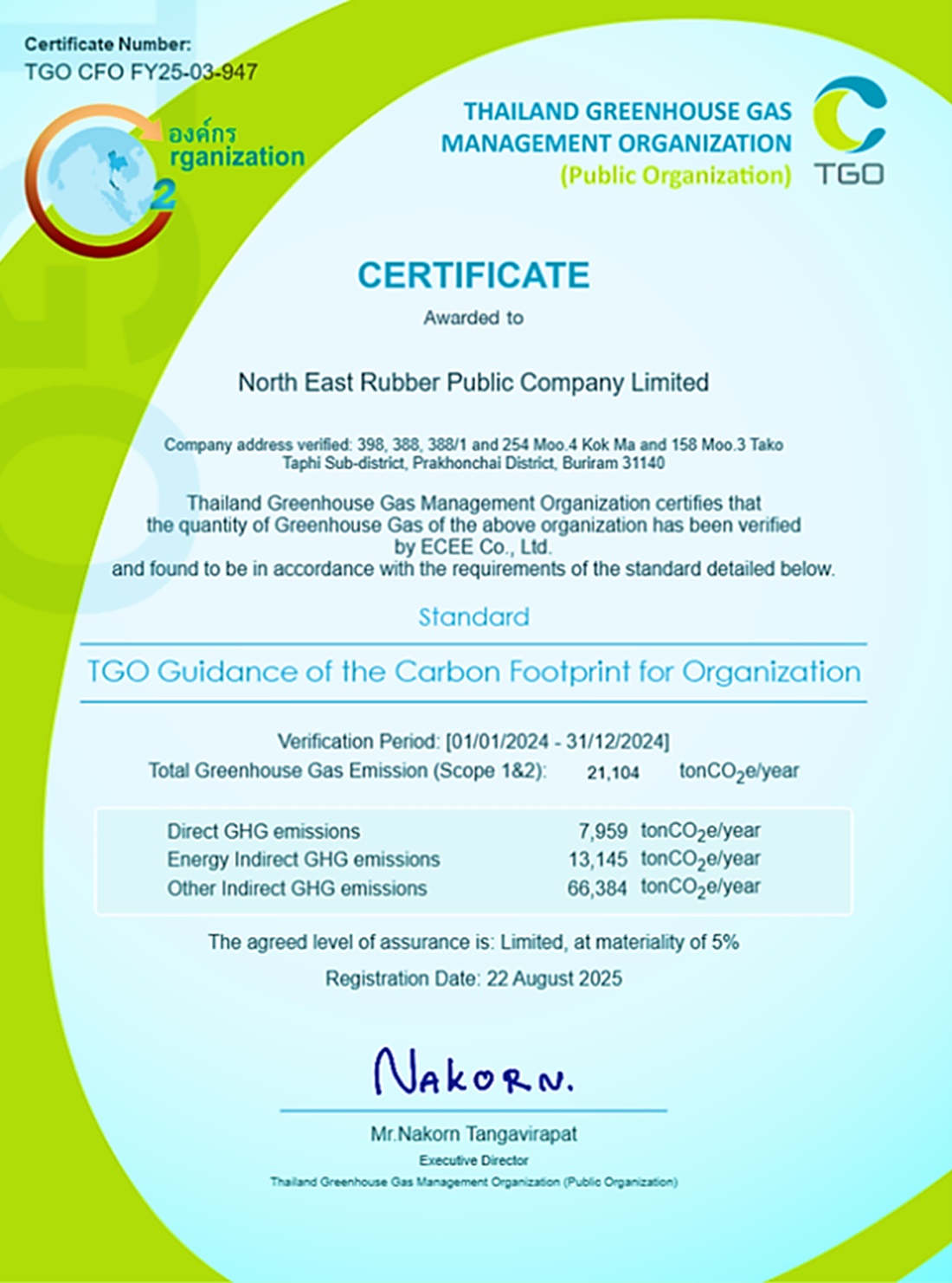
The company has prepared its corporate GHG emission and removal report for the reporting period from January 1 to December 31, 2025. The data has been verified by ECEE Co., Ltd., a registered verification body, and subsequently received Carbon Footprint for Organization (CFO) certification and registration from the Thailand Greenhouse Gas Management Organization (Public Organization) or TGO on March 18, 2026.
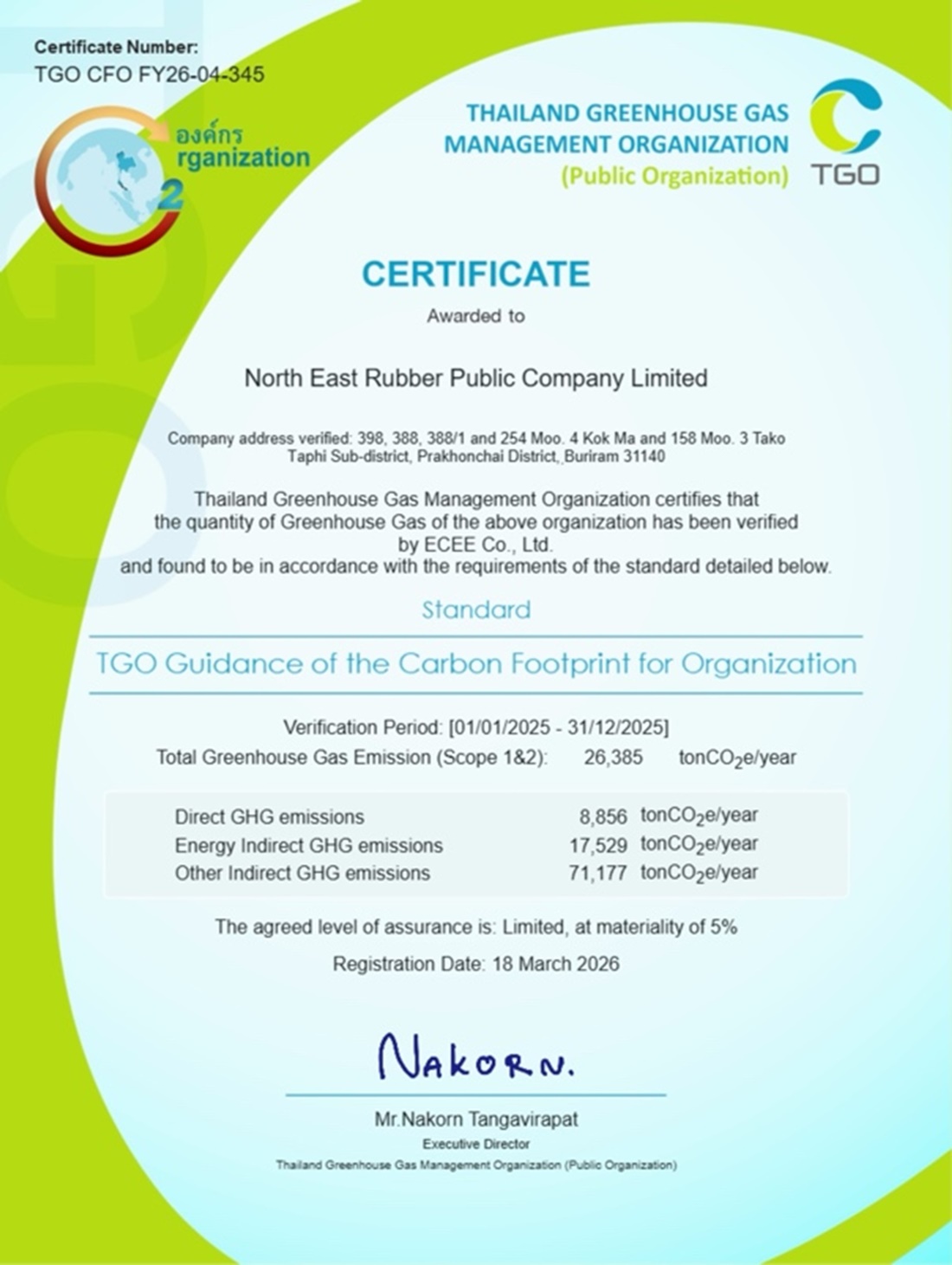
In 2025, the company’s total GHG emissions amounted to 97,562 tons of CO2 equivalent (tCO2e), representing an 11.51% increase compared to 2024. This increase was primarily driven by the restoration of production capacity to normal levels following a planned reduction for process and machinery upgrades in 2024. Additionally, a fire incident at a warehouse damaged the rooftop solar PV system, temporarily hindering the company’s ability to generate renewable energy from that source and leading to an increased reliance on non-renewable electricity. Nevertheless, compared to the 2021 base year, total GHG emissions have decreased by 17.90%. This overall reduction reflects the company’s ongoing commitment and effectiveness in managing its carbon footprint despite operational challenges.
The company reported 8,856 tCO2e in direct GHG emissions (Scope 1) and 17,529 tCO2e in indirect GHG emissions from purchased electricity (Scope 2). Combined, total direct and indirect emissions (Scope 1 and 2) amounted to 26,385 tCO2e. Scope 2 emissions increased by 33.35% compared to 2024, primarily due to the higher consumption of grid electricity following the aforementioned incidents. However, when compared to the 2021 base year, total Scope 1 and 2 emissions have increased by only 2.07%, despite facing extraordinary circumstances and the restoration of production capacity to normal levels in 2025.
When considering the combined GHG Scope 1 & 2 Intensity (emissions per ton of production), the rate for 2025 was 0.061 tCO2e per ton of production. This represents a 12.96% increase compared to 2024, primarily due to the fire incident which led to an increased reliance on non-renewable energy sources during the year. However, compared to the 2021 base year, the combined GHG Scope 1 & 2 Intensity has decreased by 7.74%. This long-term reduction demonstrates the positive results of the company's continuous efforts to enhance energy efficiency and optimize production processes.
| Long-term Goals | |
|---|---|
| Become a carbon neutral organization | 2030 |
| Being certified for greenhouse gas emissions reduction targets in accordance with Science Based Targets Initiative (SBTi) | 2030 |