Management Approach
The company places importance on developing production processes and new products that create benefits for both the company and stakeholders. It emphasizes fostering a culture that encourages all employees to be creative, while also enhancing their knowledge, skills, and expertise in innovation and technology. This aims to enable employees to produce quality and efficient work. The company supports all components, including research and development, manufacturing, and management, with the goal of establishing an ecosystem conducive to innovation development that benefits society and the environment. The company also policies to adopt modern innovation and technology into the production process to improve operational efficiency, reduce resource usage, and promote long-term sustainable business practices with social and environmental responsibility. A framework has been set in five areas to ensure integrated development throughout the entire ecosystem as follows:

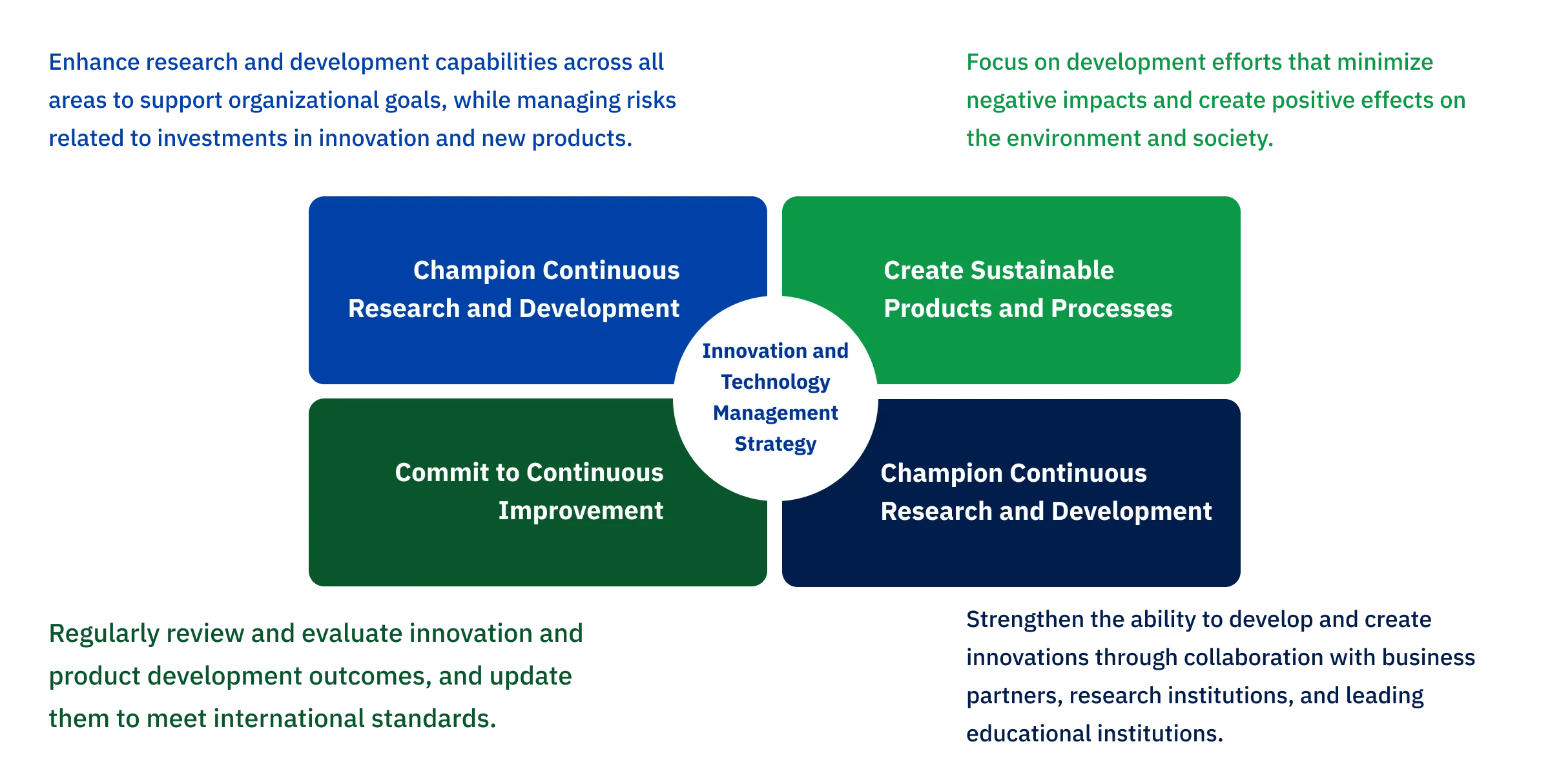
The company focuses on creating value at every stage, from research and development to implementation in the manufacturing process, to produce high-quality products at appropriate costs that truly meet market needs. Operations are conducted systematically based on the principles of Lean Innovation, minimizing unnecessary activities, and adopting circular economy principles. Additionally, international standards such as ISO 14001, ISO 9001, and ISO 18001 are implemented to ensure confidence across all aspects. The company has developed an innovation and technology management strategy to achieve the set objectives as follows:
Performance 2025
Development of Innovative Products
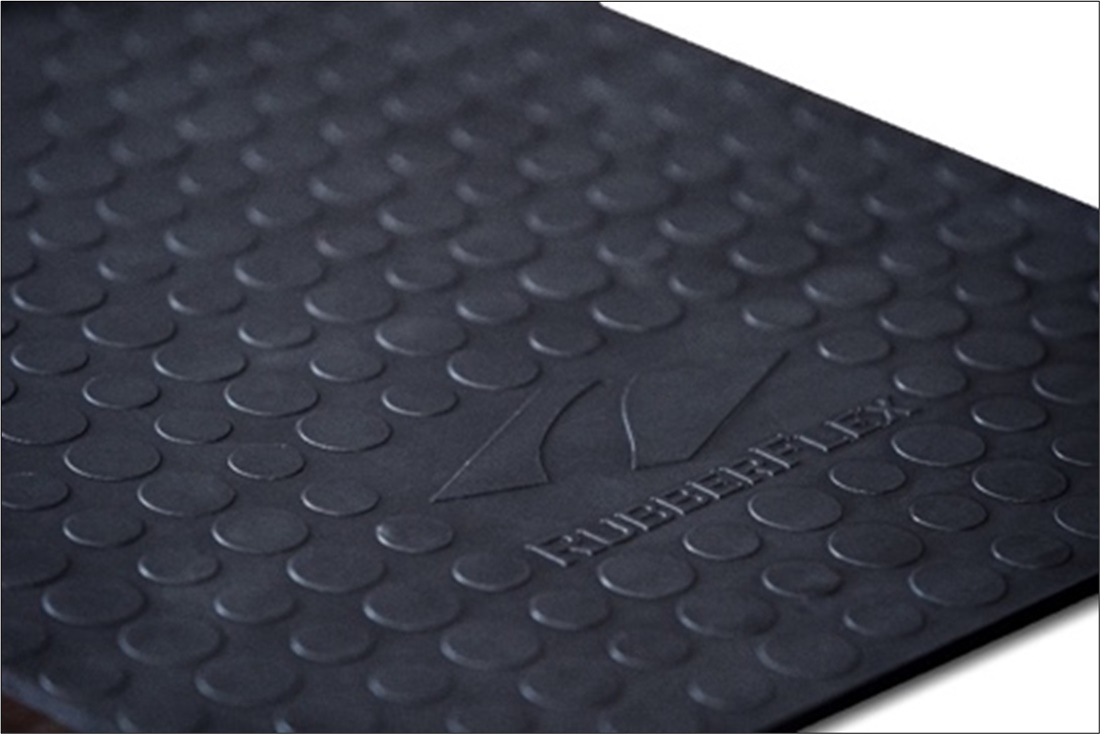
The company is committed to developing and creating finished products to satisfy diverse consumer needs and expand its business into other industries. In 2025, the company developed new products to add value to natural rubber while supporting the use of domestic raw materials. This initiative generates income for local communities and farmers, while meeting the demands of consumers seeking safe and environmentally friendly products. A total of 3 products were developed, consisting of Livestock Rubber Stall Mats (25 Shore A hardness), High Tear-Resistant Livestock Rubber Stall Mats, and Rubber Floor Mats utilizing Circular Economy Materials. These projects utilized a total research and development budget of 495,469.81 THB and generated a combined sales revenue of 95 million THB from these three innovative products in 2025. The innovative products are as follows:
Livestock Rubber Stall Mats (25 Shore A Hardness)
These livestock rubber stall mats were developed by the company's Research and Development Department with the objective of optimizing product properties for practical application and satisfying the needs of customers in the livestock sector. Specifically, the hardness of the rubber mats was reduced to 25 Shore A, a level that offers enhanced flexibility and superior shock absorption for animals during standing, walking, and resting compared to conventional rubber mats. These characteristics directly contribute to animal care in accordance with higher animal welfare standards.
The company initiated the development process by researching and compounding the rubber formula to achieve the desired flexibility, load-bearing capacity, and durability. The product subsequently underwent rigorous laboratory testing followed by real-world field trials in livestock stalls to evaluate its performance in pressure distribution, shock absorption, and long-term durability.
Development results indicated that livestock rubber stall mats with a hardness of 25 Shore A help reduce pressure on the animals' knees, hocks, and hooves—the primary weight-bearing areas during standing, walking, and resting. This enhances the animals' resting comfort and can minimize health risks related to the skeletal, joint, and hoof systems, such as laminitis and arthritis, while also reducing the incidence of pressure sores caused by resting on hard surfaces.
The product has been certified under the Thai Industrial Standard (TIS) 2584-2556 and is currently manufactured and commercially distributed, generating 39.97 million THB in revenue in 2025.
| Benefits to the company |
|
| Benefits to Rubber Farmers |
|
| Benefits to Livestock |
|
| Benefits to the Environment |
|
Note: The volume of avoided greenhouse gas emissions is a comparative assessment based on the reduced utilization of synthetic rubber. This figure is an estimate from the company’s evaluation, calculated with reference to the relevant criteria and greenhouse gas emission factors provided by the Greenhouse Gas Management Organization (Public Organization), or TGO.
High Tear-Resistant Livestock Rubber Stall Mats
These high tear-resistant livestock rubber stall mats were developed by the company's Research and Development Department to address the tearing and degradation of rubber mats during actual use in livestock stalls. In practical settings, these mats must continuously support animal weight, repetitive trampling, surface friction, concentrated pressure from hooves, and ongoing contact with equipment and the stall environment. These contributing factors typically shorten the lifespan of standard rubber mats, increasing the maintenance or replacement cost burden for customers.
Consequently, the company developed this product by optimizing both the rubber compounding formula and the structural design of the mats to enhance strength, maximize tear resistance, and endure long-term livestock stall applications. The product's properties underwent evaluation through both laboratory testing and real-world field trials in livestock stalls to assess durability performance, tear resistance, and long-term operational suitability.
Development results demonstrated that the product significantly reduces tearing, particularly along the edges and high-stress points. This reduces the frequency of repairs or mat replacements, lowers maintenance costs for livestock farms, and consistently maintains safety performance throughout the product's lifespan.
The product has been certified under the Thai Industrial Standard (TIS) 2584-2556 and is currently manufactured and commercially distributed, generating 41.14 million THB in revenue in 2025.
| Benefits to the company |
|
| Benefits to Rubber Farmers |
|
| Benefits to Users |
|
| Benefits to Livestock |
|
| Benefits to the Environment |
|
Note: The volume of avoided greenhouse gas emissions is a comparative assessment based on the reduced utilization of synthetic rubber. This figure is an estimate from the company’s evaluation, calculated with reference to the relevant criteria and greenhouse gas emission factors provided by the Greenhouse Gas Management Organization (Public Organization), or TGO.
Multi-Purpose Rubber Floor Mats from Recycled Materials
The company prioritizes the application of Circular Economy principles as a guideline for product development and efficient resource utilization. Consequently, the company’s Research and Development Department developed multi-purpose rubber floor mats featuring recycled materials as the primary component, utilizing rubber scrap from the production process and reclaimed rubber as manufacturing raw materials. This initiative aims to minimize the consumption of virgin raw materials, reduce production process waste, and add value to reusable materials.
The product development process covers the sorting, grinding, and property enhancement of rubber scrap and reclaimed rubber to ensure they can be appropriately reintegrated into the production process while maintaining product properties that meet practical application requirements. Incorporating recycled materials into the product enhances resource efficiency, reduces the demand for virgin natural rubber resources, and decreases the volume of waste destined for disposal. Furthermore, it contributes to lowering greenhouse gas emissions and energy consumption within the manufacturing process. The company has conducted product quality testing, and the product has been certified under the Thai Industrial Standard (TIS) 2377-2559. It is currently manufactured and commercially distributed.
| Benefits to the company |
|
| Benefits to the Environment |
|
Note: The volume of greenhouse gas emission reductions is an estimate from the company’s evaluation, calculated with reference to the relevant criteria and greenhouse gas emission factors provided by the Greenhouse Gas Management Organization (Public Organization), or TGO.
Manufacturing Process Innovation Development
The company continuously supports and drives the creation of innovation in manufacturing processes to enhance operational efficiency, reduce costs, and minimize production losses. Concurrently, this approach promotes safety, health, and a high quality of life for employees in the workplace by encouraging them to apply their knowledge, expertise, and appropriate technologies to improve work processes. In 2025, the manufacturing process innovation projects successfully implemented and measured by the company are as follows:
Electric Rubber Drying Trolley Project
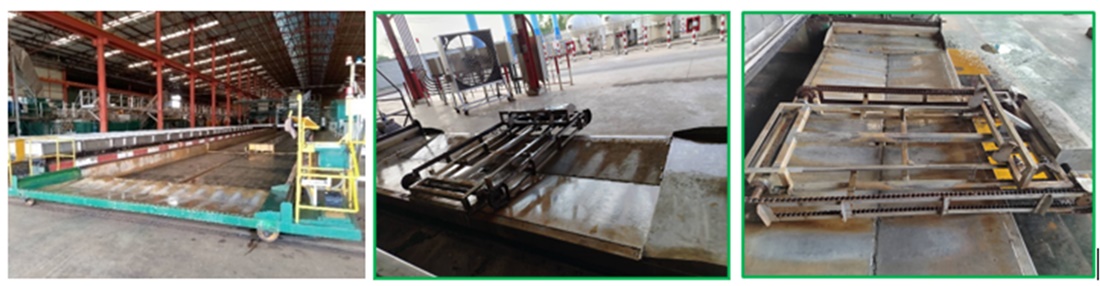
Following the development of the Electric Rubber Drying Trolley in 2024, which reduced manual labor and minimized the risk of injury from pushing and pulling heavy drying trolleys in front of the ovens at Block Rubber Factories No. 1 and 2, the Maintenance Engineering Department and the Production Department have continuously monitored its application. This was done to evaluate the equipment's efficiency and analyze methods to further enhance operational safety and agility.
Monitoring results indicated that although the trolley effectively reduced manual exertion when moving drying trolleys from the rubber shedding tower to the front of the ovens, operators still had to dismount the electric trolley to manually push the drying containers into the final oven position during the loading stage. This interrupted work continuity and increased processing time per cycle. Furthermore, repeatedly mounting and dismounting the electric trolley throughout a work shift posed health risks to operators—particularly to the knees, ankles, and lower back—due to repetitive motion and impact. This could lead to fatigue and musculoskeletal injuries, potentially affecting long-term work efficiency and increasing the likelihood of fatigue-related accidents.
Consequently, in 2025, the Maintenance Engineering Department and the Production Department collaborated to develop an automatic trolley-pushing system to be integrated into the existing electric rubber drying trolleys, utilizing a development budget of 147,514 THB. The system was designed to allow operators to control operations directly from the trolley via a button interface, enabling the automated, consistent, and precise pushing of containers into the oven without requiring the operator to dismount.
A comparison of operations per single work shift (8 hours) before and after the improvement revealed that sub-work steps were reduced from 25 steps to 21 steps, and standard operational time decreased by 21.07 seconds per cycle. As a result, the number of drying containers loaded into the oven increased by 10 containers per shift, representing an increased productivity value of 28,420 THB per shift. This improvement simultaneously mitigated employee health and safety risks, enhanced production process continuity, and expanded the factory's production capacity.
| Details | Before Improvement | After Improvement | Results of Improvement |
|---|---|---|---|
| Number of Work Steps (Steps) | 25 | 21 | Decreased by 4 steps |
| Standard Operational Time (Seconds) | 568.56 | 547.49 | Decreased by 21.07 seconds |
| Number of Drying Containers Loaded into the Oven per Shift (Containers) | 305 | 315 | Increased by 10 containers |
| Production Value per Shift (THB) | 866,810 | 895,230 | Increased by 28,420 THB per shift |
Rubber Bale Inverter Project
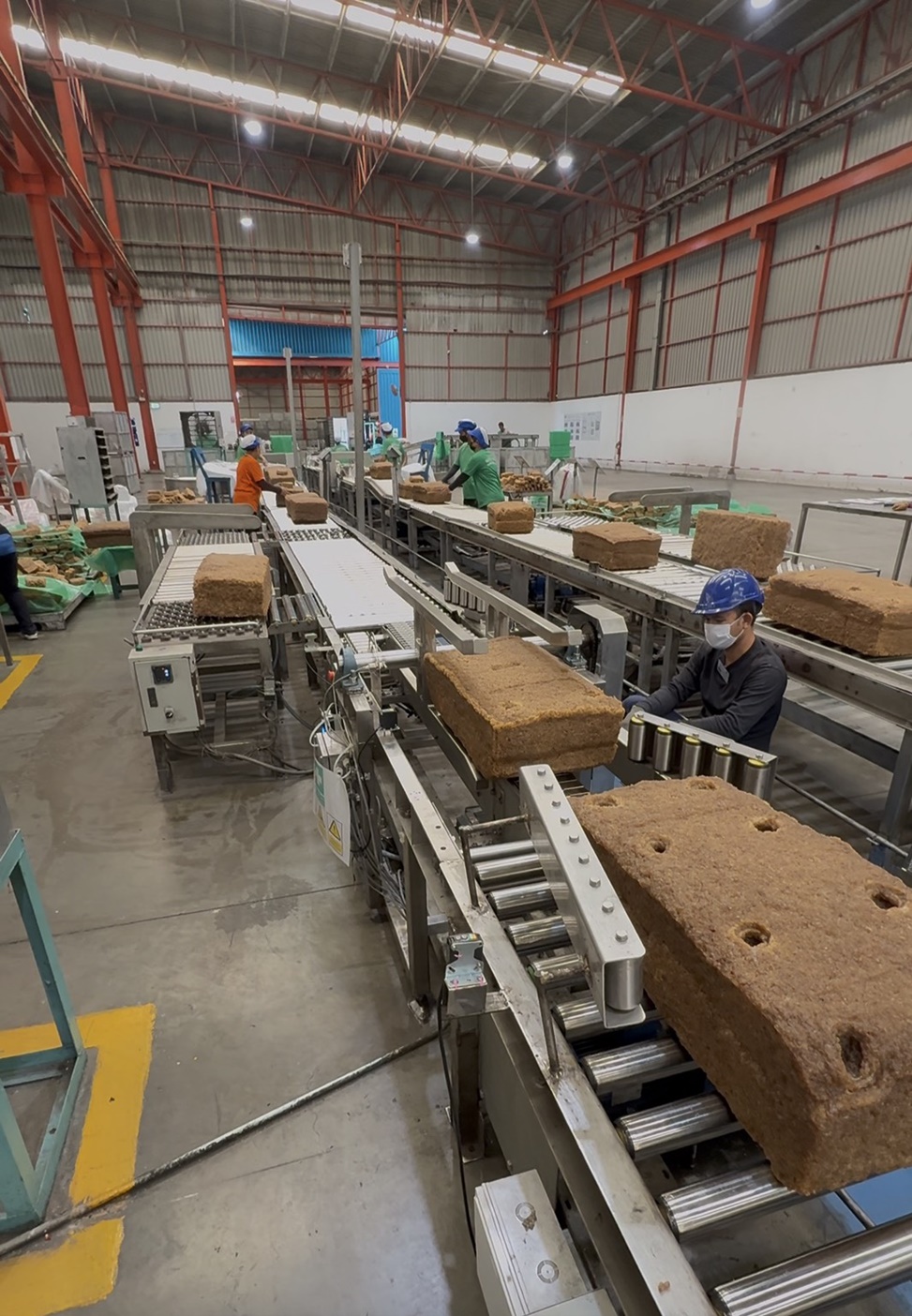
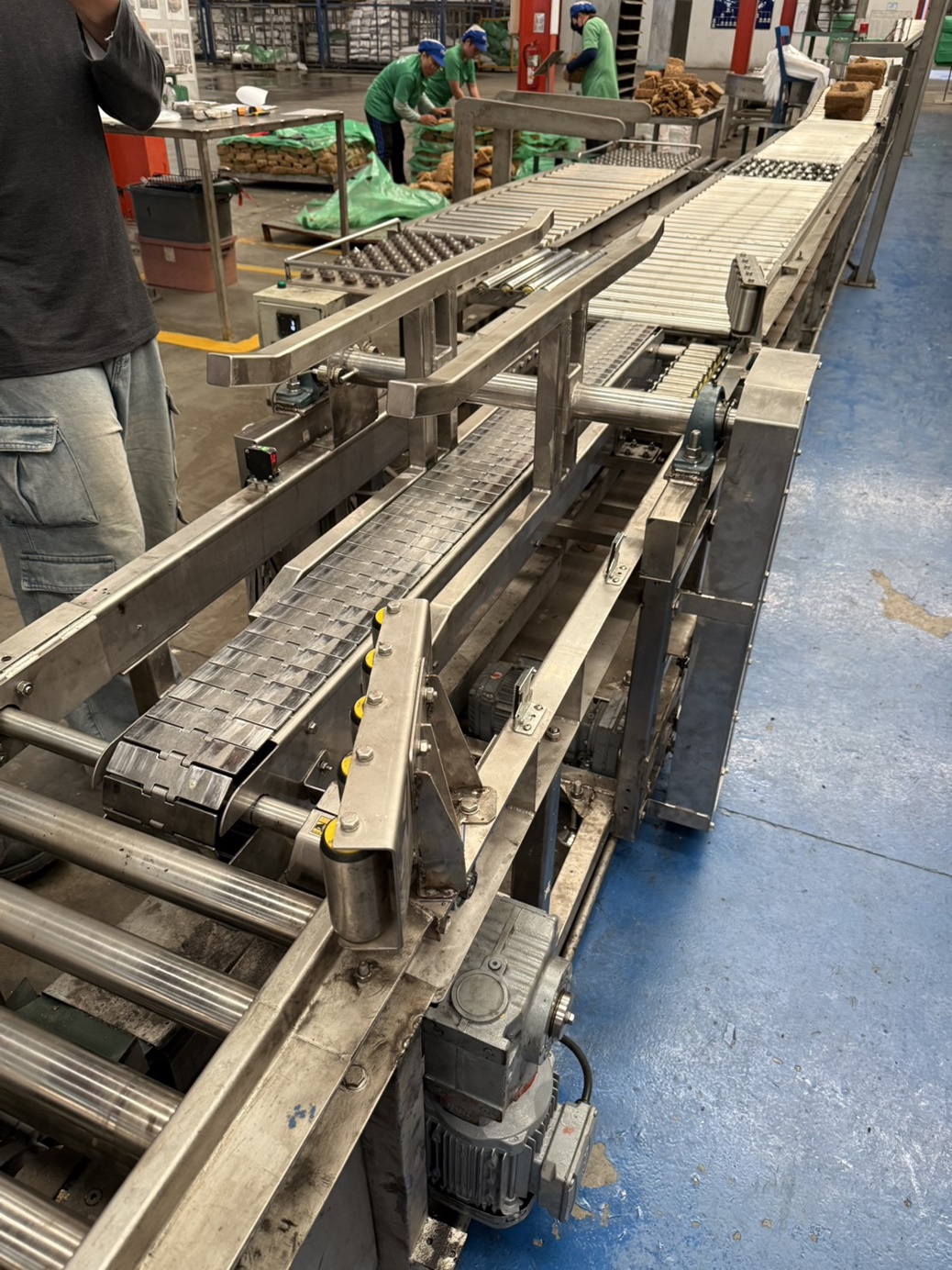
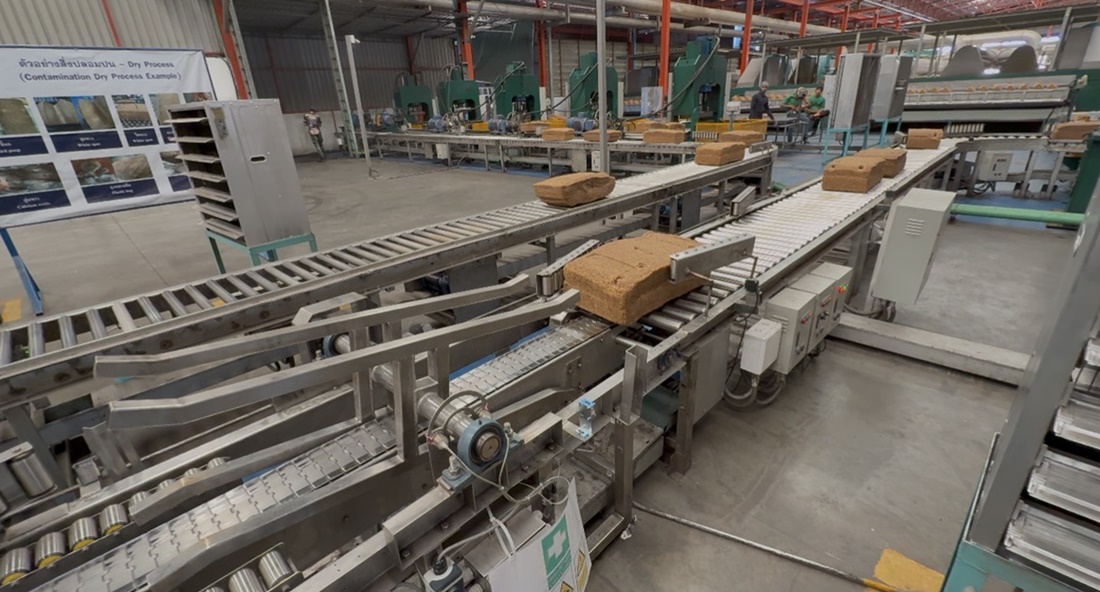
The rubber product quality inspection process is a critical step in quality control to ensure products meet specified standards, directly impacting customer confidence and satisfaction. Currently, this process relies heavily on manual labor to flip and inspect each item. With each rubber bale weighing approximately 35 kilograms, operators experience localized muscle fatigue—particularly in the back, shoulders, and arms. This increases the risk of musculoskeletal injuries from lifting or flipping the heavy rubber bales and can compromise operational efficiency over extended working periods. Furthermore, this manual process is time-consuming, creating bottlenecks in production capacity and driving up labor costs.
To address these challenges, the company integrated a Rubber Bale Inverter into the quality inspection line. This technology automates the flipping of items to support continuous inspection, reducing manual labor in high-exertion tasks. The equipment was also ergonomically designed to align with the physical workflow of the production line. Following this improvement, the average inspection time per bale was reduced from 15 seconds to approximately 7–9 seconds, and the required inspection workforce was decreased from 3 operators to 1. Simultaneously, this innovation has mitigated the risk of heavy-lifting injuries, expanded production capacity to better meet market demands, and ensured consistent product quality control, enabling the company to manage costs and resources with greater efficiency.
| Details | Before Improvement | After Improvement | Results of Improvement |
|---|---|---|---|
| Rubber Bale Inspection Time (Seconds/Bale) | 15 | 7 - 9 | Decreased by 6–8 seconds per bale |
| Number of Inspection Operators (Persons/Shift) | 3 | 1 | Decreased by 2 operators per shift |
| Number of Inspected Rubber Bales (Bales/Shift) | 1,920 | 3,840 | Increased by 1,920 bales per shift |
| Labor Cost (THB/Year) | 380,160 | 126,720 | Decreased by 253,440 THB per year |
SCADA STR-1 Project
The current production process control and monitoring systems utilized by the company still face limitations regarding real-time production data collection, analysis, and utilization. Furthermore, there is a lack of an anomaly warning system capable of rapid response, which results in certain parts of production process control relying heavily on manual inspections by operators within the operational areas. This can escalate safety risks, cause machinery downtime, and impact energy costs within the production process. Additionally, past electrical incidents during operations demonstrate a critical need to upgrade the machinery and electrical control and monitoring systems to ensure greater safety, minimize work at high-risk points, and enhance the capability to monitor system anomalies and manage them in a timely manner.
Consequently, in 2025, the company initiated the SCADA STR-1 Project by implementing a Supervisory Control and Data Acquisition (SCADA) system within the STR-1 Block Rubber Factory to elevate production process control toward greater safety, accuracy, and efficiency. The system is designed to integrate and transmit data from machinery and electrical systems into a centralized control room, enabling real-time status monitoring, anomaly analysis, and instant notifications. The implementation of this project will help reduce risks associated with operating inside high-risk areas or points, decrease the likelihood of machinery downtime, support energy cost control, and enhance production process continuity. Moreover, data retrieved from the system can be utilized to support more accurate and rapid operational analysis and decision-making, which will improve production efficiency and strengthen the company's long-term competitiveness.
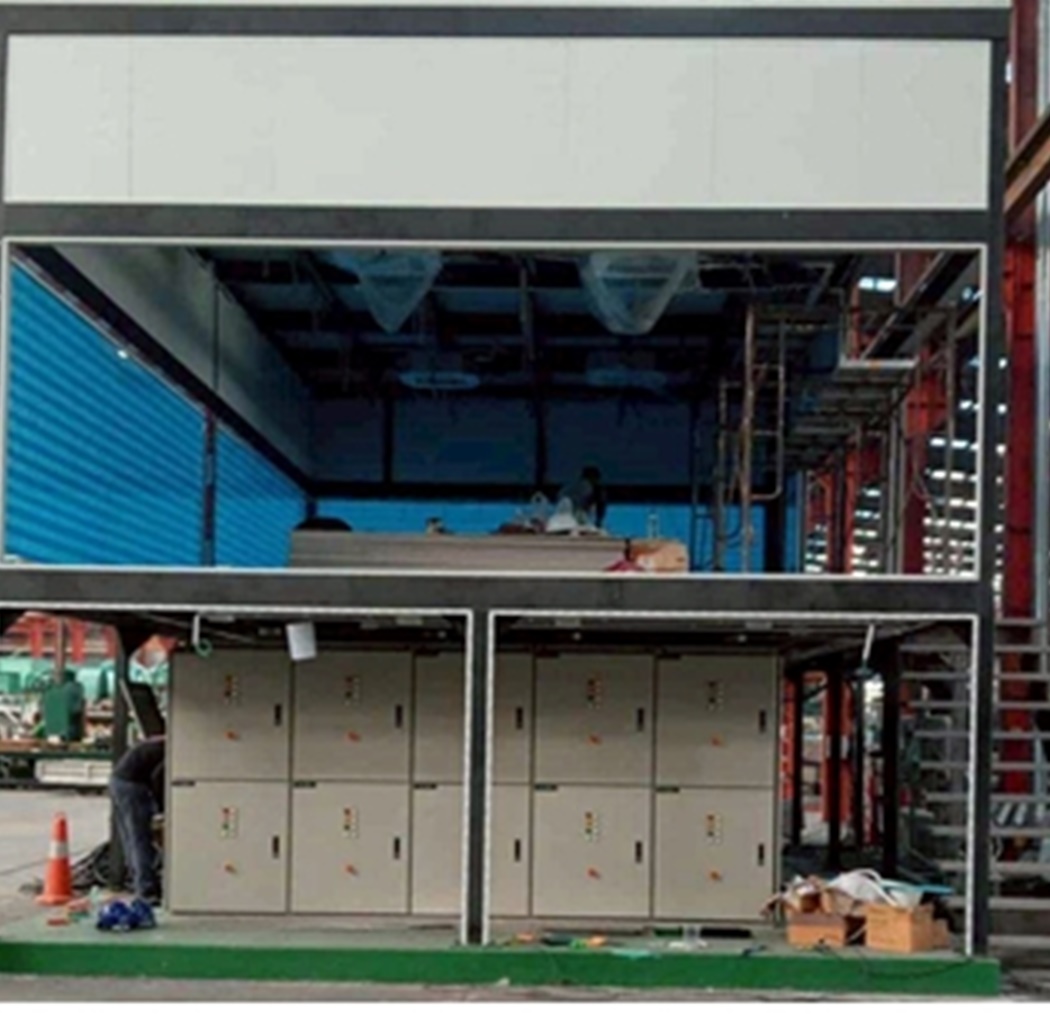
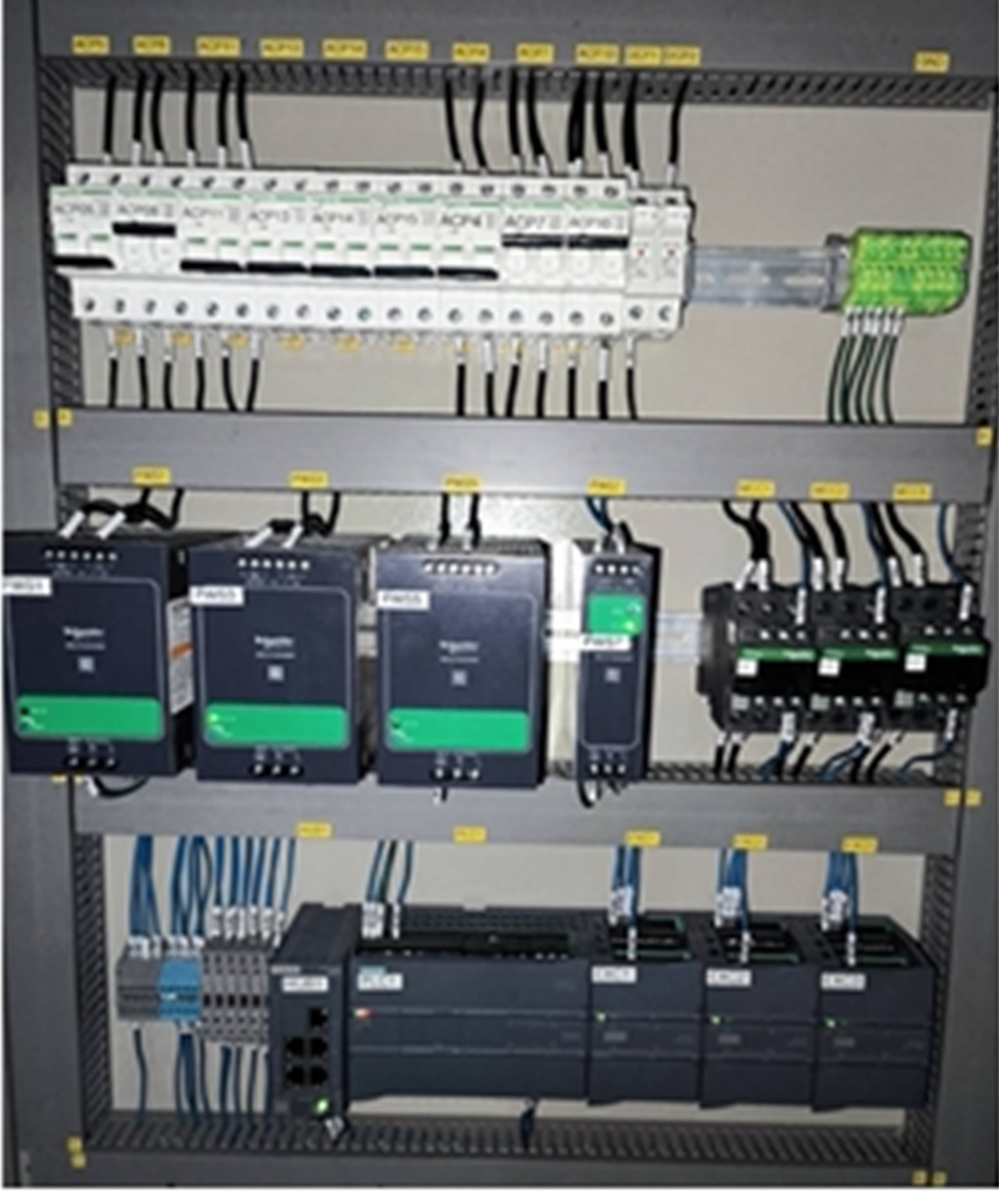
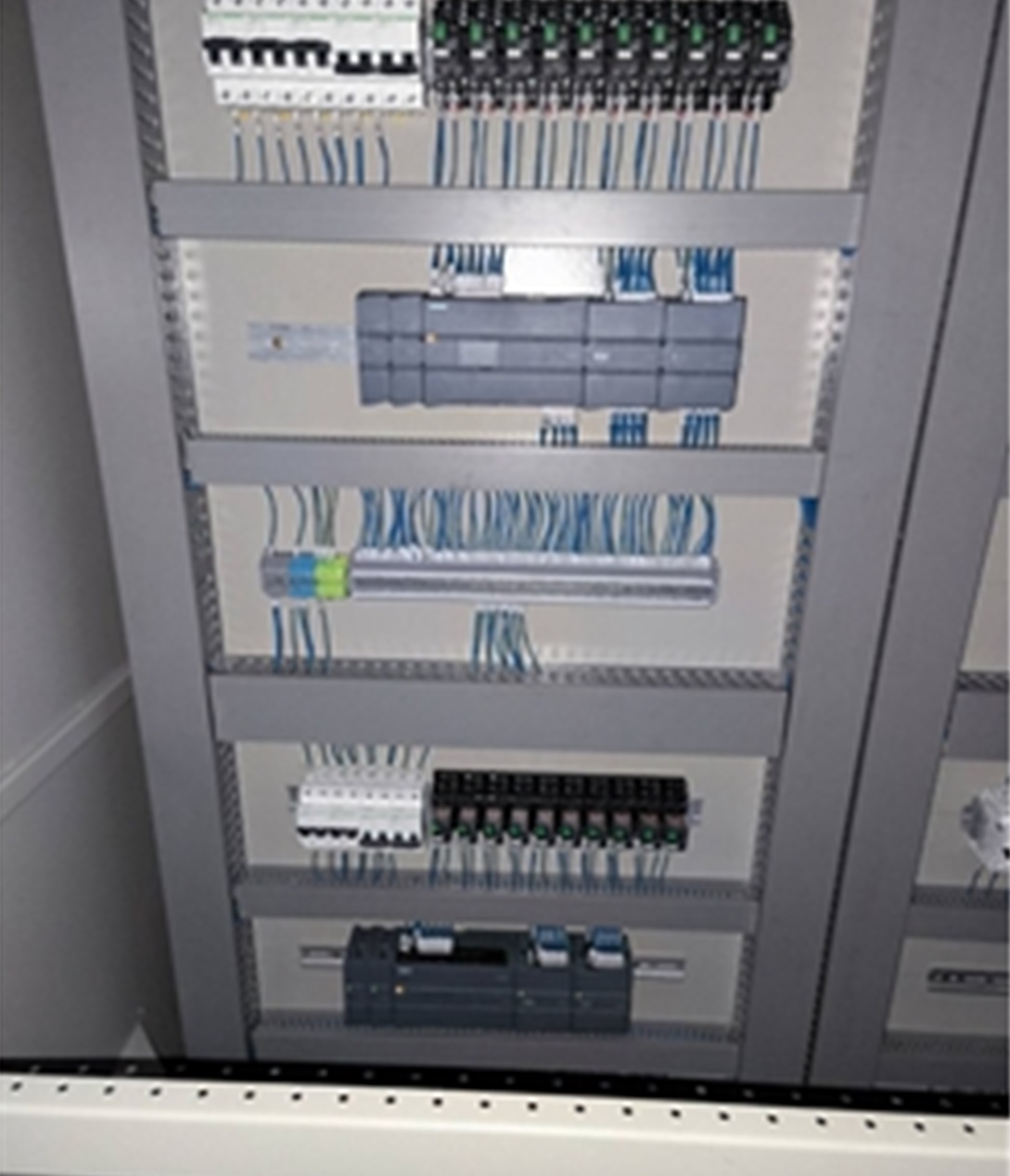
Currently, the SCADA system is undergoing installation and commissioning, with completion scheduled for 2026. Once fully operational, the company aims to reduce machinery downtime by 50% and decrease energy consumption by 10% compared to 2024 levels. This is expected to reduce downtime-related expenses by approximately 461,222.22 THB per month and lower electricity costs by approximately 283,217.66 THB per month. Furthermore, the system will enable the company to track operational status and analyze machinery anomalies, maintenance tasks, and electrical systems with greater speed and accuracy, leading to enhanced production efficiency, reduced operating costs, and long-term improvements in workplace safety.
The main goals and notable outcomes of the initiatives focused on value-added product and process development are summarized in the table below.
| Long-term Goals 2030 |
2025 Goals | 2025 Performance |
|
|---|---|---|---|
| Number of New Innovative Products Released per Year | At least 10 items | At least 2 items | 3 items |