Management Approach
Biodiversity is the fundamental pillar of a healthy ecosystem and plays a vital role in the security of the natural rubber supply chain. Since the production and procurement of natural rubber are directly linked to land use, cultivation, and the sourcing of raw materials from upstream farmers and suppliers, the company—as a processor and supplier—recognizes the potential risks and impacts on the ecosystem arising from upstream supply chain activities. Consequently, the “Biodiversity Management Policy” has been established under the company’s environmental policy framework to serve as a systematic guideline for preventing, mitigating, and managing impacts on biodiversity.
Business Dependency on Ecosystem Services in the Natural Rubber Industry
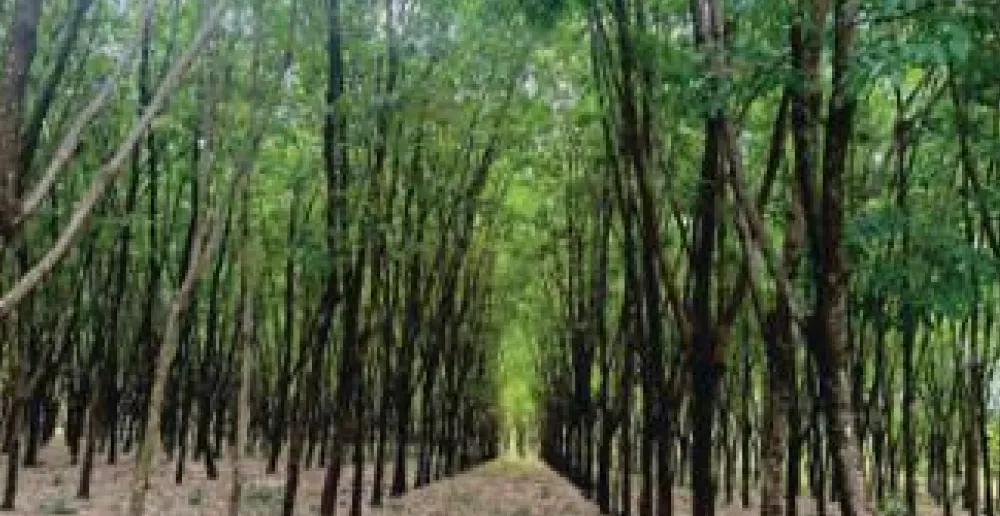
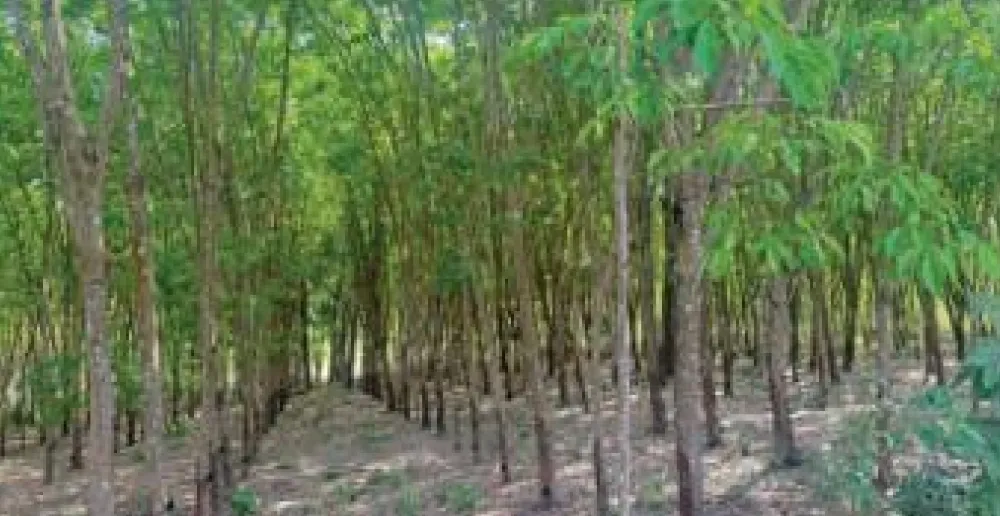
The company’s natural rubber business is linked to various ecosystem services, particularly the provision of natural rubber raw materials from agricultural land. This includes the soil and water fertility that supports cultivation, the regulation of soil erosion and water runoff, and the overall agricultural ecosystem that maintains long-term production capacity. Those who depend on or benefit from these services include farmers, raw material suppliers, the company, surrounding communities, and customers who rely on high-quality natural rubber with clear and traceable origins.
| Types of Ecosystem Services | Ecosystem Services | Relevant Stakeholders |
|---|---|---|
| Provisioning services | Natural rubber raw materials from the rubber plantations of farmers and suppliers in the upstream supply chain serve as the primary input for the company’s rubber product manufacturing and distribution processes. | Farmers, raw material suppliers, the company, customers |
| Water is a resource of critical importance to rubber cultivation, raw material quality, and the company’s production processes, as well as for the domestic consumption of local residents. | Farmers, the company, surrounding communities | |
| Regulating and maintenance services | Fertile soil that is managed appropriately supports the growth of rubber trees, reduces land degradation, and maintains the long-term production capacity for natural rubber raw materials. | Farmers, raw material suppliers, the company |
| Soil, water, and green space ecosystems play a vital role in water retention and maintaining the water balance within agricultural areas and their surroundings, which is directly linked to raw material production and the company’s business operations. | Farmers, surrounding communities, the company | |
| Agricultural ecosystems, such as soil organisms, vegetation, and biological life that help maintain natural balance, contribute to a continuous environment suitable for rubber cultivation. | Farmers, communities, local ecosystems | |
| Cultural services | A healthy environment within operational and relevant agricultural areas supports the local landscape and the quality of life for communities, employees, and stakeholders in the area. | Surrounding communities, employees, farmers, the company |
Biodiversity Impact Assessment from Business Operations
The company identifies and assesses preliminary impacts on biodiversity, covering its primary operational areas as well as relevant activities, products, and services throughout the value chain based on available data. This is done to identify both actual and potential impacts, whether direct or indirect, on ecosystems, biodiversity, and the ecosystem services upon which the business and its stakeholders depend. The assessment includes Spatial Screening to determine the proximity of operational areas to protected areas or regions of high conservation value, utilizing international databases such as the World Database on Protected Areas (WDPA).
Furthermore, the company considers biodiversity-related issues arising from its business activities, including land use, water consumption, wastewater control within its facilities, chemical usage, waste management, and pollution control from production processes. It also evaluates the procurement of natural rubber from agricultural areas in the upstream supply chain, which is linked to critical ecosystem services such as the provision of rubber raw materials, soil fertility, water quality maintenance, and the long-term cultivation environment. Additionally, downstream value chain activities are considered where information is available—such as product transportation and distribution, customer processing, product usage, and post-use management—most of which fall outside the company’s direct control.
The results of the preliminary assessment indicate that the company’s primary operational areas—comprising the head office and the manufacturing plant in Buriram Province, with a total area of 200 rais (32 hectares or approximately 0.32 square kilometers) are not located within protected areas according to the WDPA database used for screening. Regarding the company’s production processes, potential impacts are related to water usage, onsite wastewater control, chemical usage, waste management, and pollution control. These are direct impacts that the company can manage through internal control systems and compliance with environmental laws to prevent adverse effects on soil, groundwater, water sources, and ecosystem services in the surrounding areas.
| Activities / Relevant Areas |
Potential Impacts on Biodiversity | Significance Level |
|---|---|---|
| Sourcing of natural rubber raw materials from farmers and upstream suppliers | Raw material procurement may be linked to land-use change, forest encroachment, or the use of ecologically sensitive areas within the upstream supply chain. This could lead to habitat loss and a decline in biodiversity. | High |
| Rubber cultivation areas within the supply chain | Improper plantation management may lead to soil degradation, topsoil erosion, reduced ecosystem integrity, and increased vulnerability to natural disasters. | Medium to High |
| Head office and production plant (Buriram Province) | Internal operations, such as water usage, onsite wastewater management, chemical usage, and waste management, could affect soil quality, groundwater, and surrounding ecosystems in the event of system failures, leaks, or emergencies. | Low to Medium |
| Collection and transportation of raw materials | Transportation may cause air pollution, dust, noise, or risks from accidents and leaks during transit. These factors could impact communities, the environment, and ecosystems along transport routes in the event of an incident. | Low |
| Customer usage of the Low company’s natural rubber products | The company’s products may be used as raw materials in customers’ production processes, involving resource consumption, chemical usage, and waste management issues related to ecosystems. These impacts depend on the specific operations and environmental management systems of each customer, which are beyond the company’s direct control. | Low |
Changes in the State of Biodiversity
Based on the preliminary spatial screening, the company’s primary operational areas are not located within protected areas or regions of significant conservation value according to the international protected area databases used for the assessment. Nevertheless, the company recognizes that production operations involve aspects that require ongoing control—such as water usage, onsite wastewater management, chemical usage, waste management, and the prevention of leaks or emergencies—to avoid potential impacts on soil, groundwater, water sources, and ecosystems surrounding the operational sites.
Regarding the upstream supply chain, assessing changes in the state of biodiversity remains challenging due to limitations in the completeness of data concerning the origins of raw materials and the specific cultivation areas of farmers and suppliers. Consequently, the company is prioritizing the development of a traceability system and the collection of relevant source data. This information will be used to screen for risks related to land use, changes in cultivation areas, and proximity to areas of high biodiversity value within the upstream supply chain.

Biodiversity Impact Management
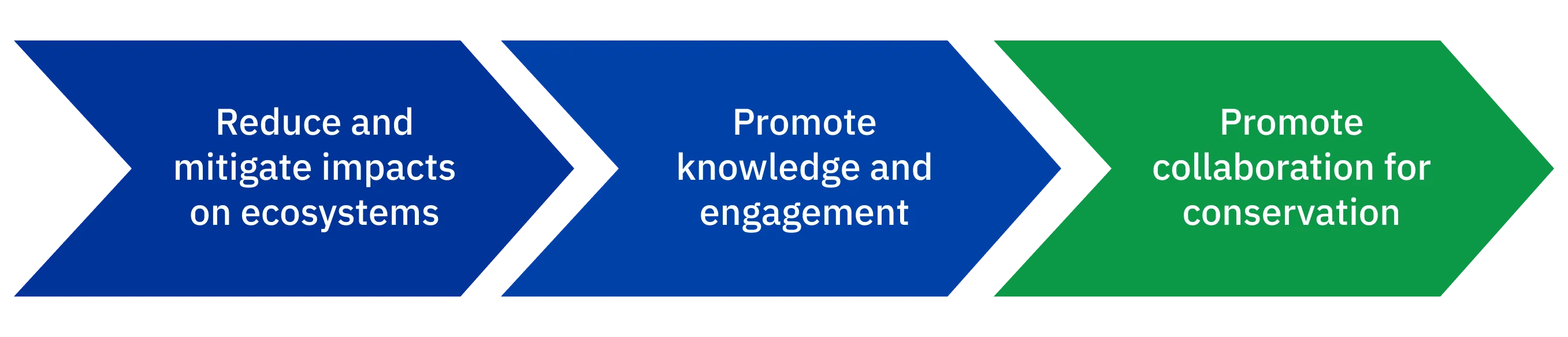
The company has established guidelines for managing biodiversity impacts, prioritizing issues with medium to high significance levels while continuously monitoring those with low significance. These guidelines are based on the Mitigation Hierarchy, aligning with the framework of the International Union for Conservation of Nature (IUCN) and GRI 101: Biodiversity 2024. The approach encompasses impact avoidance, minimization, restoration or rehabilitation, and the consideration of conservation support or offsetting residual impacts where necessary and appropriate, as follows:
| Step | Measures and Operational Approaches |
|---|---|
| Avoid |
|
| Minimize |
|
| Restore |
|
| Offset |
|
Upstream Supply Chain Impact Management
Developing Suppliers Toward EUDR Compliance
The company has integrated the requirements of the European Union Deforestation Regulation (EUDR) into its raw material supplier assessment and screening processes. This initiative supports the procurement of natural rubber from legal sources, ensures no involvement in deforestation, and aligns with responsible land-use principles.
In 2025, the company required raw material suppliers to conduct self-assessments via the Agridence Rubber Platform, complemented by the company’s own audits. This was aimed at screening for risks related to deforestation, land-use change, and the sourcing of materials from potentially ecologically sensitive areas. The assessment results revealed that 10,824 out of 12,123 suppliers passed the criteria, representing 89.28%. This covers 120,880 rai of rubber plantations verified as deforestation-free.
These operations have enhanced transparency in tracing the origin of raw materials, reduced land-use risks within the upstream supply chain, and supported the prevention of impacts on forest areas, protected zones, natural habitats, and critical ecosystems. Furthermore, this encourages suppliers and farmers to increase their awareness of and participation in responsible agricultural land management, which serves as a vital foundation for reducing long-term biodiversity impacts.
Deforestation and Conversion-Free (DCF) Sourcing
The company continuously develops its natural rubber traceability system to enhance transparency within the upstream supply chain and support risk screening regarding land use, changes in cultivation areas, and the procurement of raw materials from sources potentially linked to deforestation or natural ecosystem conversion. Data from this traceability system serves as a vital foundation for assessing the alignment of raw material sources with responsible sourcing guidelines and market requirements that prioritize deforestation-free products.
- Raw Material Traceability
In 2025, 7.07% of the company’s total products sold were traceable to their raw material sources, which was below the target of 10%. However, when considering all products manufactured in 2025, the proportion of traceable products stood at 12.14%, an increase from 10.26% in 2024. This reflects continuous progress in developing the raw material source database and the traceability system. - Raw Material Screening Based on DCF Principles
In addition to developing its raw material traceability system, the company utilizes source data to screen natural rubber according to Deforestation- and Conversion-Free (DCF) principles. This manages land-use risks in the upstream supply chain and reduces the risk of procuring materials linked to deforestation, encroachment on protected areas, or the conversion of natural ecosystems.
Under the DCF principles, the company considers traceable natural rubber that meets two criteria: 1) Deforestation-Free and 2) Conversion-Free. For the Deforestation-Free status, the company refers to December 31, 2020, as the cutoff date in accordance with the EU Deforestation Regulation (EUDR) to ensure raw materials do not originate from land deforested after that date. For the Conversion-Free status, verifiable source and land-use data are used to screen for risks regarding the conversion of natural ecosystems, including conservation areas and environmentally significant zones. The EUDR mandates that relevant commodities, including natural rubber, must be deforestation-free after December 31, 2020, before being imported into or placed on the European Union market.
To screen raw material source data, the company utilizes the Agridence system as a tool for collecting and verifying relevant information. Farmers and suppliers participating in the procurement process under EUDR requirements must provide documentation and source data, including cultivation locations. This allows the company to cross-reference the data with forest, conservation, and environmentally sensitive area databases to assess risks of encroachment or trespassing.
Furthermore, screening via the Agridence system covers Land Use Rights, Environmental Protection, Third-Party Rights, the principle of Free, Prior and Informed Consent (FPIC), as well as Labor and Human Rights. These are critical issues for agricultural procurement and the management of impacts within the upstream supply chain.
As some data is derived from the self-assessments of farmers and suppliers, relevant information and documents within the specified scope are verified by Preferred by Nature (PbN), an independent third-party organization. This supports the completeness of traceability data and assists in managing risks related to sourcing from areas potentially involved in deforestation, natural ecosystem conversion, or impacts on environmentally significant areas.
In 2025, the company procured 1,630.45 tons of natural rubber that passed the DCF screening, representing 0.33% of the total natural rubber volume within the reporting scope. This proportion is calculated from the volume of traceable natural rubber that meets both the Deforestation-Free and Conversion-Free criteria (Combined Criteria). Based on current data, the company has found no confirmed cases of natural ecosystem conversion in the cultivation areas or raw material sources of farmers and suppliers after the reference date. However, as the development of cultivation coordinates and source data in the upstream supply chain is still ongoing to achieve broader coverage, the company is currently unable to fully report on the size, location, and types of natural ecosystems converted in this reporting cycle.
Management of Impacts from the Company’s Operations
Zero Wastewater Discharge from Production Processes into Natural Water Sources
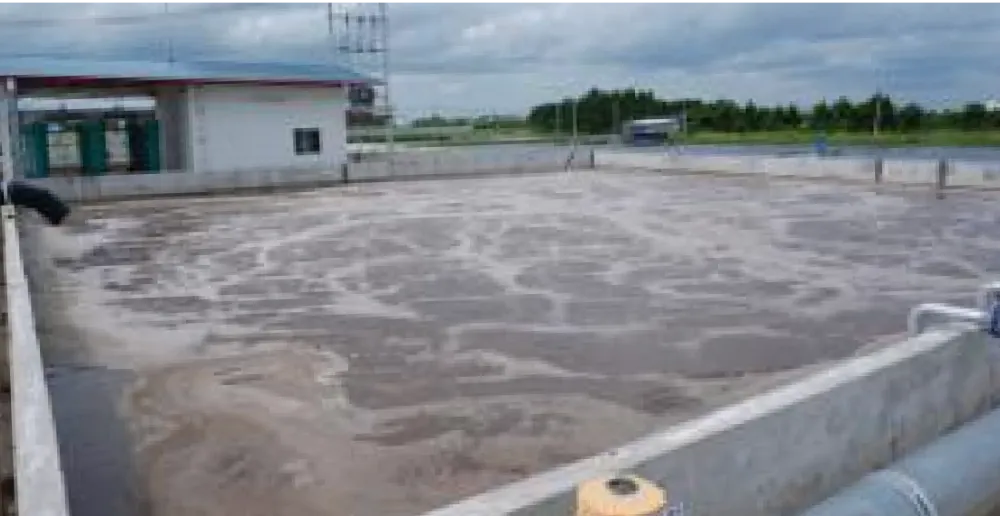
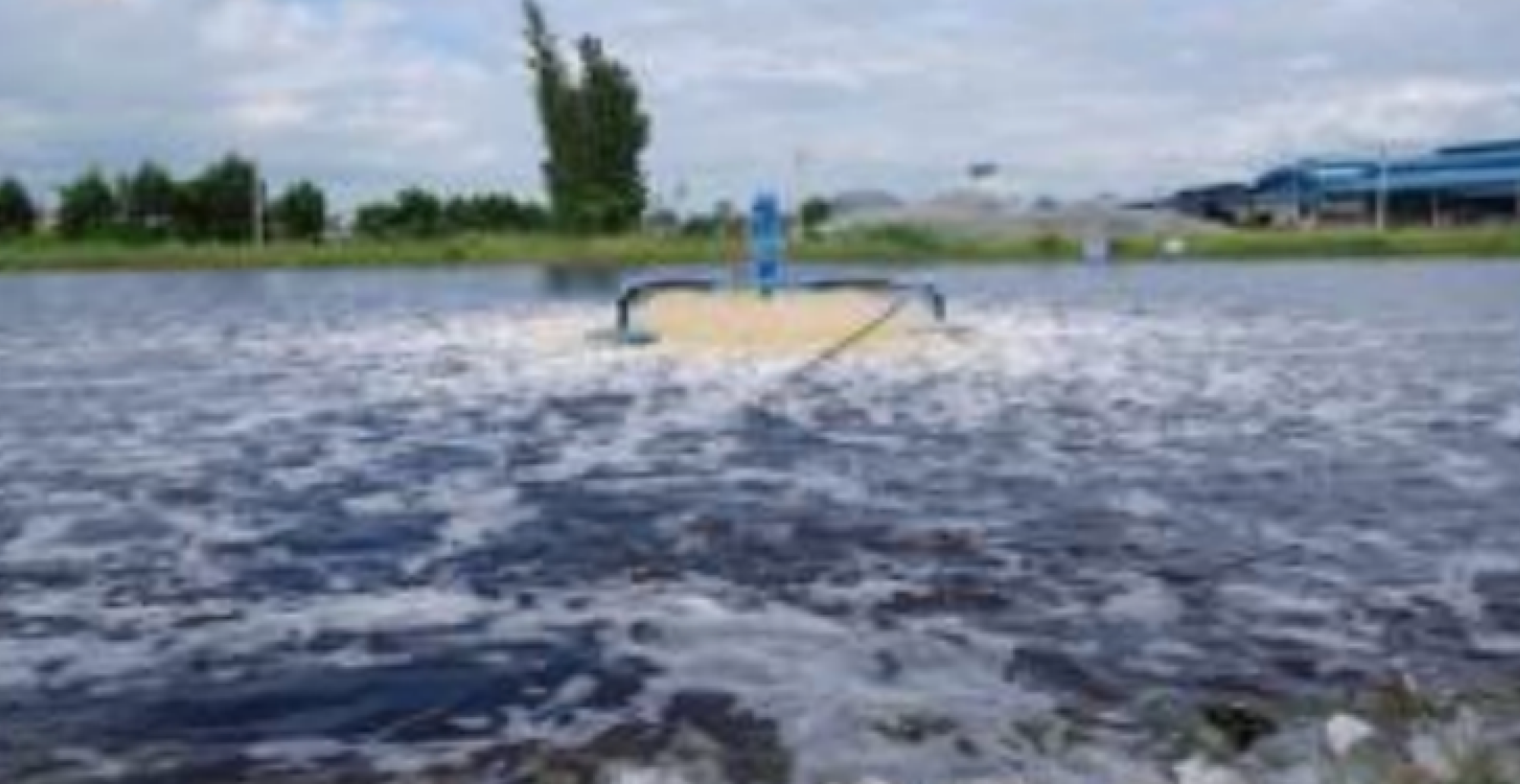
The company recognizes the vital importance of natural water sources, which serve as essential resources for consumption and agriculture—including rice farming and vegetable cultivation—where local communities often utilize piping and furrow systems to divert water for crops. These sources also function as critical habitats for freshwater biodiversity in the surrounding areas, such as Maneeratchakit Pond, which is directly linked to the quality of life of local residents, most of whom are farmers. To ensure that industrial activities do not compromise water quality or ecological integrity, the company has established a “Zero Discharge” goal, committing to no wastewater discharge from production processes into natural water sources throughout its operations. To achieve this, the company manages water with high efficiency by recycling 100% of treate wastewater back into the production process. Additionally, the company maintains rigorous control, monitoring, and maintenance of its wastewater treatment systems and piping to prevent leaks and mitigate the risk of environmental contamination. This approach helps preserve water quality for agricultural and domestic use while maintaining the balance of freshwater ecosystems, supporting the survival of local species and the continuity of the food chain.
Enhancing Green Spaces Within Operational Sites

The company prioritizes increasing green spaces within its operational sites to improve the surrounding environment, mitigate operational impacts, and support the local ecosystem. Since 2019, the company has planted trees around the facility and internal water sources, covering a total area of 2 rai with 710 trees. These include diverse species such as Burmese Padauk, Star Gooseberry, Tabak, Teak, Dipterocarpus alatus, and Casuarina.
These green spaces function as natural buffer zones that help minimize disturbances to the surrounding community. Specifically, they assist in reducing dust dispersion, slowing wind speeds entering the factory area, and mitigating the spread of odors from the rubber production process to areas outside the operational site. Around the internal water sources, the company maintains these green areas to help slow surface runoff and reduce sediment transport into the water bodies. Additionally, the trees and vegetation enhance the landscape, provide shade, and serve as recreational areas for employees.
Moving forward, the company is conducting a feasibility study for the STR3 factory construction project, which includes plans to add another 1 rai of green space with a goal of planting 300 more perennial trees by 2026. The design of these new green areas will be tailored to land-use patterns to further reduce operational footprints and enhance the environmental quality within the premises.

Promoting Biodiversity Awareness and Understanding
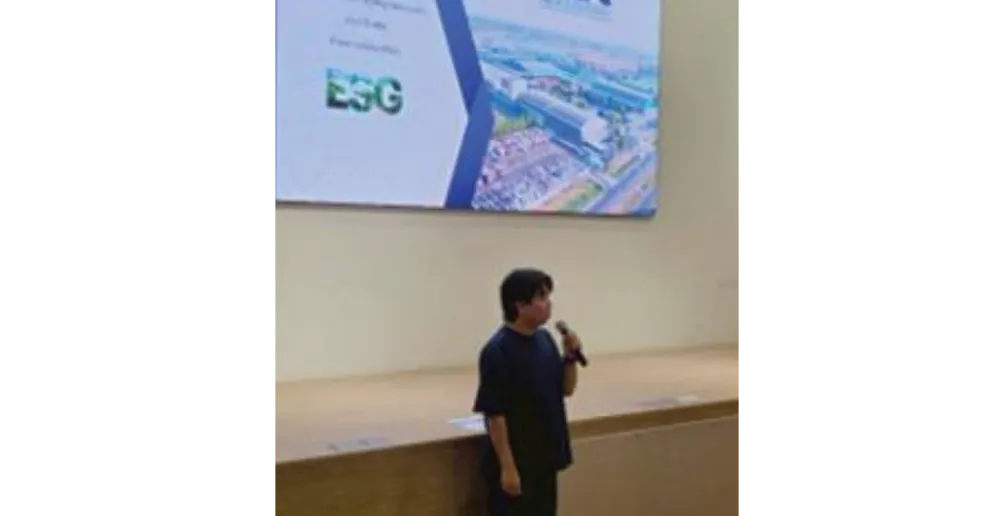
The company actively promotes the conservation of biodiversity and local ecosystems. As such, it organized training sessions for employees across all departments, ranging from operational to supervisory levels. A total of 180 employees (18.71% of the workforce) participated in a series of 6 workshops held over a three-month period (September–November 2025). These sessions took place during the second and fourth weeks of each month and were led by Mr. Srattakan Suriyo, the company’s Sustainability Manager. The training curriculum focused on soil and water conservation, mitigating ecosystem impacts, preserving natural habitats, efficient resource utilization, and proper waste and chemical management. It also covered ecofriendly rubber plantation management in alignment with the Rubber Authority of Thailand (RAOT) standards. This included promoting the use of formic acid as a coagulant—a biodegradable organic acid that reduces the risk of chemical residues in soil and water sources compared to synthetic alternatives.
As a result of the training, employees demonstrated a greater understanding and awareness of their roles in conserving natural resources and minimizing the environmental footprint of operations. This progress was evident in more efficient resource use, reduced consumption of supplies, improved waste segregation, and operational practices that prioritize the health of local soil, water, and ecosystems. Furthermore, employees responsible for field coordination can now accurately share this knowledge with farmers, encouraging environmentally friendly agricultural practices that reduce health risks for users and strengthen the relationship between the company, local communities, and farmers in the supply chain.
External Collaboration for Biodiversity Conservation and Management Support
Elevating Biodiversity Management in Collaboration with BEDO
The company recognizes the importance of systematically elevating its biodiversity operations and is currently preparing to apply for membership in a program under the Biodiversity-based Economy Development Office (Public Organization), or BEDO. This initiative aims to refine biodiversity and environmental management practices to better align with the company’s business context. Participating in this program will provide the company with access to expert knowledge, best practices, and recommendations, which will be applied to future surveys, assessments, and the management of impacts on natural resources and surrounding ecosystems.
Furthermore, the company intends to utilize the data and guidelines obtained from the program to support its environmental planning and the development of measures for optimized resource consumption. This collaboration will also facilitate engagement with employees, local communities, and supply chain stakeholders. Such efforts will strengthen the company’s ESG (Environmental, Social, and Governance) framework and enhance stakeholder confidence in its environmental performance.
Private Sector Networks and Local Government Partnerships
In 2026, the company plans to join a private sector network in partnership with local government agencies in Prakhon Chai District, including the Prakhon Chai District Community Development Office. This collaboration will be conducted through the Strong Community Project: “Stable Grassroots Economy, Sustainably Strong Communities through the Philosophy of Sufficiency Economy.” The key objectives of this participation include co-studying and developing a database of local flora and fauna within the operational areas, expanding green spaces using indigenous plant species, and supporting the restoration of degraded areas alongside the community. Furthermore, the company will join network alliances to elevate conservation standards, develop chemical usage monitoring systems for suppliers, and study ecological risk assessment guidelines. These efforts are aimed at strengthening responsible business practices and ensuring the sustainable preservation of local biodiversity.
Monitoring the Effectiveness of Biodiversity Management Measures
The company monitors and evaluates the effectiveness of its biodiversity management measures, covering activities and factors that may impact soil, water, and the surrounding ecosystems. This includes land-use risks in the upstream supply chain, specifically focusing on the control of wastewater, chemicals, waste, and pollutants from production processes; the maintenance of green spaces and internal water sources; raw material traceability for natural rubber; and the monitoring of grievances or suggestions from stakeholders. The monitoring details are as follows:
| Monitoring Topic | Monitoring and Indicators |
|---|---|
| Water, Wastewater, and Internal Water Resource Management |
|
| Enhancing and Maintaining Green Spaces Within Operational Sites |
|
| Raw Material Procurement and Upstream Supply Chain |
|
| Environmental Complaints and Suggestions from the Community |
|
The company has assigned the Environmental Working Group to be responsible for collecting, analyzing, and monitoring performance regarding the aforementioned issues. The results are reported to the Chairperson of the Corporate Sustainability Development Working Group on a monthly basis. This monitoring data is utilized to review, improve, and develop biodiversity impact management measures to ensure they remain appropriate for the company’s context. Furthermore, significant issues or those that may impact the company’s risks and strategies are reported to the Corporate Governance and Sustainable Development Committee, in accordance with the governance structure for impact management and the review of the effectiveness of such management processes.
| Long-term goal 2030 |
2025 Targets |
2025 Performance |
|
|---|---|---|---|
| Proportion of raw materials sourced from deforestation-free areas | 50% | 15% | 0.36% |
| Proportion of traceable products relative to total products sold | 50% | 10% | 7.07% |