แนวทางการบริหารจัดการ
ความหลากหลายทางชีวภาพเป็นรากฐานสำคัญของระบบนิเวศที่สมบูรณ์ และมีบทบาทต่อความมั่นคงของห่วงโซ่อุปทานยางธรรมชาติ เนื่องจากการผลิตและการจัดหายางธรรมชาติมีความเกี่ยวข้องโดยตรงกับการใช้ที่ดิน การเพาะปลูก และการจัดหาวัตถุดิบจากเกษตรกรและคู่ค้าในระดับต้นน้ำ บริษัทฯ ในฐานะผู้แปรรูปและจัดหายางธรรมชาติ ตระหนักถึงความเสี่ยงและผลกระทบที่อาจเกิดขึ้นต่อระบบนิเวศจากกิจกรรมในห่วงโซ่อุปทานต้นน้ำ จึงได้กำหนด “นโยบายการบริหารจัดการความหลากหลายทางชีวภาพ” ภายใต้กรอบนโยบายด้านสิ่งแวดล้อมของบริษัทฯ เพื่อใช้เป็นแนวทางในการป้องกัน ลด และบริหารจัดการผลกระทบต่อความหลากหลายทางชีวภาพอย่างเป็นระบบ
นโยบายการบริหารจัดการความหลากหลายทางชีวภาพครอบคลุมพื้นที่ปฏิบัติงานด้านการผลิตของบริษัทฯ ได้แก่ โรงงานผลิตจังหวัดบุรีรัมย์ ซึ่งคิดเป็นร้อยละ 100 ของพื้นที่ปฏิบัติงานด้านการผลิตของบริษัทฯ รวมถึงกิจกรรมที่เกี่ยวข้องกับการจัดหาวัตถุดิบยางพาราในห่วงโซ่อุปทานต้นน้ำ โดยมุ่งเน้นการส่งเสริมการจัดหาวัตถุดิบอย่างรับผิดชอบ โดยหลีกเลี่ยงการจัดหายางจากพื้นที่ที่มีความอ่อนไหวทางระบบนิเวศ พื้นที่ที่เกี่ยวข้องกับการตัดไม้ทำลายป่า หรือพื้นที่ที่อาจก่อให้เกิดผลกระทบต่อความหลากหลายทางชีวภาพ พร้อมทั้งสนับสนุนการพัฒนาระบบตรวจสอบย้อนกลับแหล่งที่มาของวัตถุดิบ การประเมินความเสี่ยงด้านสิ่งแวดล้อมในห่วงโซ่อุปทาน และการกำกับดูแลคู่ค้าและเกษตรกรให้ปฏิบัติตามแนวทางการจัดหาวัตถุดิบอย่างรับผิดชอบ นอกจากนี้ บริษัทฯ ยังให้ความสำคัญกับการเสริมสร้างความตระหนักรู้และศักยภาพของเกษตรกรและคู่ค้าในประเด็นการอนุรักษ์ดิน น้ำ และระบบนิเวศในพื้นที่เพาะปลูก ตลอดจนส่งเสริมการมีส่วนร่วมของชุมชนในพื้นที่ที่เกี่ยวข้อง เพื่อสนับสนุนการใช้ทรัพยากรธรรมชาติอย่างยั่งยืนและลดผลกระทบต่อระบบนิเวศตลอดห่วงโซ่อุปทานยางธรรมชาติ
บริษัทฯ ได้แต่งตั้งคณะทำงานด้านสิ่งแวดล้อมให้รับผิดชอบการขับเคลื่อนนโยบายไปสู่การปฏิบัติให้เป็นไปตามเป้าหมายที่กำหนด โดยมีคุณเอกพงษ์ ดวงอาจ ผู้จัดการฝ่ายสิ่งแวดล้อม ทำหน้าที่กำกับดูแล ควบคุมการดำเนินงาน และประสานงานกับหน่วยงานที่เกี่ยวข้อง นอกจากนี้ บริษัทฯ กำหนดให้มีการทบทวนนโยบายอย่างน้อยปีละ 1 ครั้ง หรือเมื่อมีการเปลี่ยนแปลงที่มีนัยสำคัญต่อการดำเนินงาน เพื่อให้สอดคล้องกับบริบททางธุรกิจ กฎหมาย มาตรฐานที่เกี่ยวข้อง และสถานการณ์ด้านสิ่งแวดล้อมที่เปลี่ยนแปลงไป โดยผลการทบทวนจะถูกสื่อสารไปยังฝ่ายงานที่เกี่ยวข้อง เพื่อนำไปใช้ในการปรับปรุงและพัฒนาการดำเนินงานต่อไป
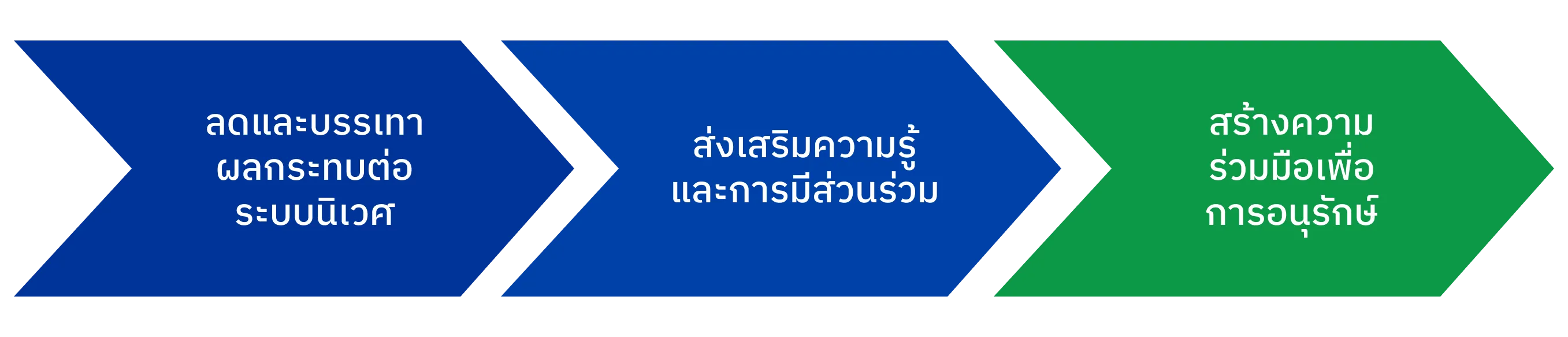
เพื่อสนับสนุนความมั่นคงของวัตถุดิบยางธรรมชาติและลดความเสี่ยงด้านกฎระเบียบและข้อกำหนดของตลาดระหว่างประเทศ บริษัทฯ ได้กำหนดกลยุทธ์การบริหารจัดการความหลากหลายทางชีวภาพโดยยึดหลักการบรรเทาผลกระทบตามลำดับขั้น (Mitigation Hierarchy) ตั้งแต่การหลีกเลี่ยงและลดผลกระทบที่อาจเกิดขึ้นต่อระบบนิเวศ การฟื้นฟู และการชดเชยผลกระทบในกรณีที่หลีกเลี่ยงไม่ได้ ควบคู่กับการส่งเสริมองค์ความรู้และความตระหนักด้านการอนุรักษ์ทรัพยากรธรรมชาติให้แก่พนักงาน คู่ค้า และผู้มีส่วนได้เสียตลอดห่วงโซ่อุปทาน รวมถึงการสร้างความร่วมมือกับหน่วยงานภาครัฐ ชุมชน และภาคีเครือข่ายที่เกี่ยวข้อง เพื่อสนับสนุนการจัดหาวัตถุดิบอย่างรับผิดชอบและการรักษาสมดุลของระบบนิเวศในระยะยาว
แนวทางดังกล่าวสอดคล้องกับมาตรฐานสากลด้านความหลากหลายทางชีวภาพ อาทิ GRI 304: Biodiversity 2016 และแนวทาง GRI 101: Biodiversity 2024 ซึ่งให้ความสำคัญกับการลดผลกระทบต่อระบบนิเวศและการบริหารจัดการความเสี่ยงด้านความหลากหลายทางชีวภาพตลอดห่วงโซ่อุปทาน ควบคู่กับการประยุกต์ใช้หลักการ Mitigation Hierarchy ของ International Union for Conservation of Nature (IUCN) และ IFC Performance Standard 6 เพื่อป้องกัน ลด และฟื้นฟูผลกระทบต่อระบบนิเวศอย่างเป็นระบบและยั่งยืน

การพึ่งพาบริการจากระบบนิเวศของธุรกิจยางธรรมชาติ
ธุรกิจยางธรรมชาติของบริษัทฯ มีความเชื่อมโยงกับบริการจากระบบนิเวศหลายด้าน โดยเฉพาะการให้วัตถุดิบยางธรรมชาติจากพื้นที่เกษตรกรรม ความสมบูรณ์ของดินและน้ำที่สนับสนุนการเพาะปลูก การควบคุมการชะล้างหน้าดินและการไหลบ่าของน้ำ รวมถึงระบบนิเวศในพื้นที่เกษตรกรรมที่ช่วยรักษาความสามารถในการผลิตวัตถุดิบในระยะยาว ผู้ที่พึ่งพาหรือได้รับประโยชน์จากบริการดังกล่าว ได้แก่ เกษตรกร คู่ค้าวัตถุดิบ บริษัทฯ ชุมชนโดยรอบ และลูกค้าที่พึ่งพาวัตถุดิบยางธรรมชาติที่มีคุณภาพและแหล่งที่มาชัดเจน
| ประเภทบริการจากระบบนิเวศ | บริการจากระบบนิเวศ | ผู้มีส่วนได้เสียที่เกี่ยวข้อง |
|---|---|---|
| บริการด้านการให้ทรัพยากร (Provisioning services) |
วัตถุดิบยางธรรมชาติจากพื้นที่สวนยางของเกษตรกรและคู่ค้าในห่วงโซ่อุปทานต้นน้ำ ใช้เป็นวัตถุดิบหลักในกระบวนการผลิตและจำหน่ายผลิตภัณฑ์ยางของบริษัทฯ | เกษตรกร คู่ค้าวัตถุดิบ บริษัทฯ ลูกค้า |
| น้ำเป็นทรัพยากรที่มีความสำคัญอย่างยิ่งต่อการเพาะปลูกยางพารา คุณภาพวัตถุดิบ และกระบวนการผลิตของบริษัทฯ รวมถึงการอุปโภคบริโภคของคนในพื้นที่ | เกษตรกร บริษัทฯ ชุมชนโดยรอบ | |
| บริการด้านการควบคุมและรักษาสมดุลระบบนิเวศ (Regulating and maintenance services) |
ดินที่มีความสมบูรณ์และได้รับการจัดการอย่างเหมาะสมช่วยสนับสนุนการเจริญเติบโตของต้นยาง ลดการเสื่อมโทรมของพื้นที่ และรักษาความสามารถในการผลิตวัตถุดิบยางธรรมชาติในระยะยาว | เกษตรกร คู่ค้าวัตถุดิบ บริษัทฯ |
| ระบบนิเวศดิน น้ำ และพื้นที่สีเขียวมีบทบาทในการกักเก็บน้ำ และการรักษาความสมดุลของน้ำในพื้นที่เกษตรกรรมและพื้นที่โดยรอบ ซึ่งเกี่ยวข้องกับการผลิตวัตถุดิบและการดำเนินธุรกิจของบริษัทฯ | เกษตรกร ชุมชนโดยรอบ บริษัทฯ | |
| ระบบนิเวศในพื้นที่เกษตรกรรม เช่น สิ่งมีชีวิตในดิน พืชพรรณ และสิ่งมีชีวิตที่ช่วยรักษาสมดุลตามธรรมชาติ มีส่วนสนับสนุนสภาพแวดล้อมที่เหมาะสมต่อการเพาะปลูกยางพาราอย่างต่อเนื่อง | เกษตรกร ชุมชน ระบบนิเวศในพื้นที่ | |
| บริการด้านคุณค่าทางสังคมและสิ่งแวดล้อม (Cultural services) |
สภาพแวดล้อมที่ดีในพื้นที่ปฏิบัติงานและพื้นที่เกษตรกรรมที่เกี่ยวข้องช่วยสนับสนุนภูมิทัศน์ในท้องถิ่นและคุณภาพชีวิตของชุมชน พนักงาน และผู้มีส่วนได้เสียในพื้นที่ | ชุมชนโดยรอบ พนักงาน เกษตรกร บริษัทฯ |
การประเมินผลกระทบต่อความหลากหลายทางชีวภาพจากการดำเนินธุรกิจ
บริษัทฯ ดำเนินการระบุและประเมินผลกระทบเบื้องต้นด้านความหลากหลายทางชีวภาพ โดยครอบคลุมพื้นที่ปฏิบัติงานหลักของบริษัทฯ รวมถึงกิจกรรม ผลิตภัณฑ์ และบริการที่เกี่ยวข้องตลอดห่วงโซ่คุณค่าเท่าที่มีข้อมูล เพื่อระบุผลกระทบที่เกิดขึ้นจริงและที่อาจเกิดขึ้น ทั้งทางตรงและทางอ้อม ต่อระบบนิเวศและความหลากหลายทางชีวภาพ และบริการจากระบบนิเวศที่ธุรกิจและผู้มีส่วนได้เสียพึ่งพา การประเมินดังกล่าวประกอบด้วยการประเมินเชิงพื้นที่ (Spatial Screening) เพื่อพิจารณาความเชื่อมโยงของพื้นที่ปฏิบัติงานกับพื้นที่คุ้มครองหรือพื้นที่ที่มีความสำคัญด้านการอนุรักษ์ โดยอ้างอิงฐานข้อมูลพื้นที่คุ้มครองระดับสากล เช่น World Database on Protected Areas (WDPA)
นอกจากนี้ บริษัทฯ ยังพิจารณาประเด็นที่เกี่ยวข้องกับความหลากหลายทางชีวภาพจากลักษณะกิจกรรมทางธุรกิจ ได้แก่ การใช้ที่ดิน การใช้น้ำ การควบคุมน้ำเสียภายในพื้นที่ การใช้สารเคมี การจัดการของเสีย การควบคุมมลพิษจากกระบวนการผลิต และการจัดหาวัตถุดิบยางธรรมชาติจากพื้นที่เกษตรกรรมในห่วงโซ่อุปทานต้นน้ำ ซึ่งมีความเชื่อมโยงกับบริการจากระบบนิเวศที่สำคัญ เช่น การให้วัตถุดิบยางธรรมชาติ ความสมบูรณ์ของดิน การรักษาคุณภาพน้ำ และสภาพแวดล้อมที่สนับสนุนการเพาะปลูกในระยะยาว รวมถึงกิจกรรมปลายน้ำของห่วงโซ่คุณค่าเท่าที่มีข้อมูล เช่น การขนส่งและกระจายสินค้า การแปรรูปผลิตภัณฑ์โดยลูกค้า การใช้งาน และการจัดการผลิตภัณฑ์หลังการใช้งาน ซึ่งส่วนใหญ่อยู่นอกเหนือการควบคุมโดยตรงของบริษัทฯ
ผลการประเมินเบื้องต้นพบว่า พื้นที่ปฏิบัติงานหลักของบริษัทฯ ได้แก่ สำนักงานใหญ่และโรงงานผลิตที่จังหวัดบุรีรัมย์ ซึ่งมีพื้นที่รวม 200 ไร่ หรือ 32 เฮกตาร์ หรือประมาณ 0.32 ตารางกิโลเมตร ไม่ได้ตั้งอยู่ในพื้นที่คุ้มครองตามฐานข้อมูล WDPA ที่ใช้ในการคัดกรอง สำหรับกระบวนการผลิตของบริษัทฯ ผลกระทบที่อาจเกิดขึ้นเกี่ยวข้องกับการใช้น้ำ การควบคุมน้ำเสียภายในพื้นที่ การใช้สารเคมี การจัดการของเสีย และการควบคุมมลพิษ ซึ่งเป็นผลกระทบทางตรงที่บริษัทฯ สามารถบริหารจัดการได้ผ่านระบบควบคุมภายในและการปฏิบัติตามกฎหมายสิ่งแวดล้อม เพื่อป้องกันผลกระทบต่อดิน น้ำใต้ดิน แหล่งน้ำ และบริการจากระบบนิเวศในพื้นที่โดยรอบ
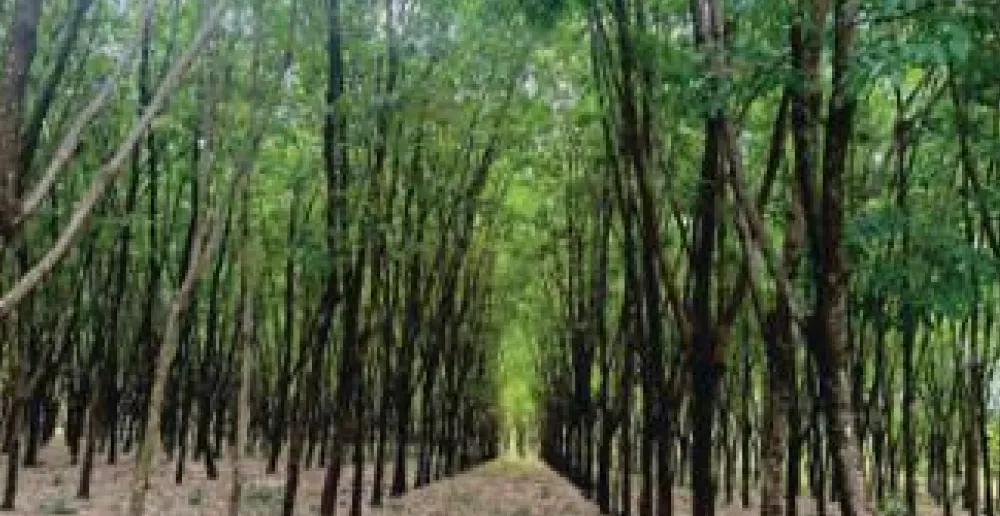
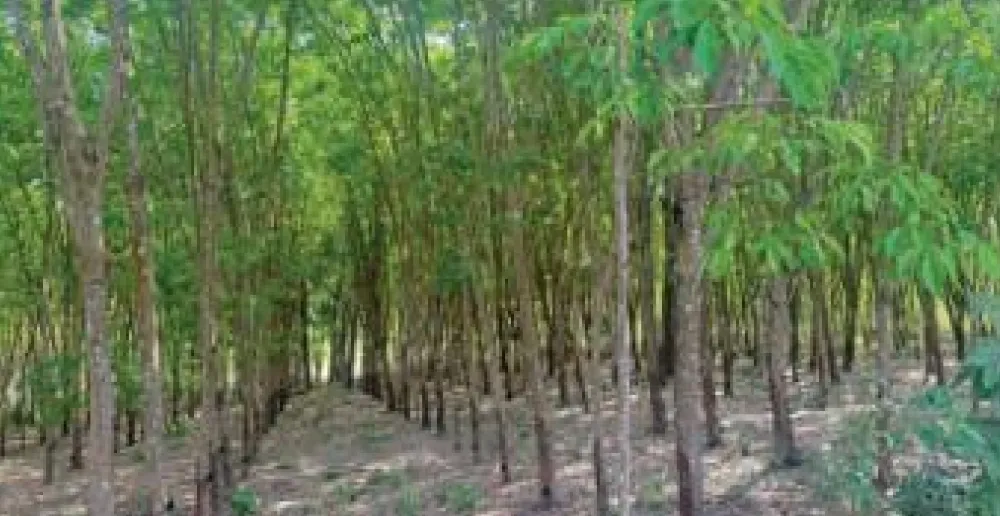
ผลกระทบที่มีนัยสำคัญสูงต่อความหลากหลายทางชีวภาพมีความเชื่อมโยงกับกิจกรรมในห่วงโซ่อุปทานต้นน้ำเป็นหลัก เนื่องจากการจัดหาวัตถุดิบยางธรรมชาติในประเทศไทยเกี่ยวข้องโดยตรงกับการใช้ที่ดิน พื้นที่เพาะปลูก การจัดการทรัพยากรธรรมชาติ และแหล่งที่มาของวัตถุดิบจากเกษตรกรและคู่ค้า หากไม่มีการบริหารจัดการอย่างเหมาะสม อาจนำไปสู่การเปลี่ยนแปลงการใช้ประโยชน์ที่ดิน การรุกล้ำพื้นที่ป่า การสูญเสียถิ่นที่อยู่อาศัยของสิ่งมีชีวิต และการเสื่อมโทรมของระบบนิเวศดินและน้ำ ซึ่งอาจกระทบต่อบริการจากระบบนิเวศที่เกี่ยวข้องกับการเพาะปลูกยางพารา เช่น ความอุดมสมบูรณ์ของดิน การกักเก็บน้ำ และความต่อเนื่องของการผลิตวัตถุดิบยางธรรมชาติ
ส่วนในช่วงปลายน้ำของห่วงโซ่คุณค่า ผลกระทบด้านความหลากหลายทางชีวภาพอาจเกิดขึ้นทางอ้อมจากการขนส่งและกระจายสินค้าไปยังลูกค้า การแปรรูป การใช้งาน และการจัดการผลิตภัณฑ์ยางหลังการใช้งานของลูกค้า เช่น การใช้ทรัพยากรและสารเคมีในกระบวนการผลิตของลูกค้า การเกิดของเสียจากผลิตภัณฑ์ยาง การจัดการซากผลิตภัณฑ์หลังการใช้งาน รวมถึงมลพิษทางอากาศ ฝุ่น เสียง หรือเหตุผิดปกติจากการขนส่ง อย่างไรก็ตาม ผลกระทบดังกล่าวส่วนใหญ่อยู่นอกเหนือการควบคุมโดยตรงของบริษัทฯ
| กิจกรรม / พื้นที่ที่เกี่ยวข้อง | ผลกระทบที่อาจเกิดขึ้นต่อความหลากหลายทางชีวภาพ | ระดับนัยสำคัญ |
|---|---|---|
| การจัดหาวัตถุดิบยางธรรมชาติจากเกษตรกรและคู่ค้าต้นน้ำ | การจัดหาวัตถุดิบยางธรรมชาติอาจเชื่อมโยงกับการเปลี่ยนแปลงการใช้ประโยชน์ที่ดิน การรุกล้ำพื้นที่ป่า หรือการใช้พื้นที่ที่มีความอ่อนไหวทางระบบนิเวศในห่วงโซ่อุปทานต้นน้ำ ซึ่งอาจนำไปสู่การสูญเสียถิ่นที่อยู่อาศัยของสิ่งมีชีวิตและการลดลงของความหลากหลายทางชีวภาพ | สูง |
| พื้นที่เพาะปลูกยางพาราในห่วงโซ่อุปทาน | การจัดการสวนยางที่ไม่เหมาะสมอาจทำให้ดินเสื่อมโทรม การพังทลายของหน้าดิน ลดความสมบูรณ์ของระบบนิเวศ และเพิ่มความเปราะบางต่อภัยธรรมชาติ | ปานกลางถึงสูง |
| พื้นที่สำนักงานใหญ่และโรงงานผลิต จังหวัดบุรีรัมย์ | การดำเนินงานภายในพื้นที่ เช่น การใช้น้ำ การจัดการน้ำเสียภายในโรงงาน การใช้สารเคมี และการจัดการของเสีย อาจส่งผลต่อคุณภาพดิน น้ำใต้ดิน และระบบนิเวศโดยรอบได้ในกรณีที่ระบบควบคุมหรือการจัดการเกิดความบกพร่อง รั่วไหล หรือเกิดเหตุฉุกเฉิน | ต่ำถึงปานกลาง |
| การรวบรวมและขนส่งวัตถุดิบยางธรรมชาติ | การขนส่งวัตถุดิบอาจก่อให้เกิดมลพิษทางอากาศ ฝุ่น เสียง หรือความเสี่ยงจากอุบัติเหตุและการรั่วไหลระหว่างขนส่ง ซึ่งอาจส่งผลกระทบต่อชุมชน สิ่งแวดล้อม และระบบนิเวศโดยรอบเส้นทางขนส่งในกรณีผิดปกติ | ต่ำ |
| การใช้ผลิตภัณฑ์ยางธรรมชาติของบริษัทฯ โดยลูกค้า | ผลิตภัณฑ์ของบริษัทฯ อาจถูกนำไปใช้เป็นวัตถุดิบในกระบวนการผลิตของลูกค้า ซึ่งอาจมีประเด็นด้านการใช้ทรัพยากร สารเคมี และการจัดการของเสียที่เกี่ยวข้องกับระบบนิเวศ ทั้งนี้ ผลกระทบดังกล่าวขึ้นอยู่กับลักษณะการดำเนินงานและระบบบริหารจัดการสิ่งแวดล้อมของลูกค้าแต่ละราย ซึ่งอยู่นอกเหนือการควบคุมโดยตรงของบริษัทฯ | ต่ำ |
บริษัทฯ พบว่าประเด็นที่มีความเกี่ยวข้องอย่างมีนัยสำคัญกับความหลากหลายทางชีวภาพในบริบทของบริษัทฯ ได้แก่ การเปลี่ยนแปลงการใช้ที่ดินในห่วงโซ่อุปทานต้นน้ำ การใช้ทรัพยากรธรรมชาติ และมลพิษที่อาจเกิดขึ้นจากการดำเนินงานผลิต จึงได้นำผลการประเมินผลกระทบเบื้องต้นมาใช้เป็นข้อมูลประกอบการจัดลำดับความสำคัญของประเด็นด้านความหลากหลายทางชีวภาพ และกำหนดมาตรการป้องกัน ลด และบริหารจัดการผลกระทบให้เหมาะสมกับลักษณะกิจกรรมและระดับนัยสำคัญของผลกระทบที่เกี่ยวข้อง โดยเฉพาะประเด็นที่มีนัยสำคัญสูงในห่วงโซ่อุปทานต้นน้ำ ซึ่งเชื่อมโยงกับการใช้ที่ดิน การเพาะปลูก และการจัดหาวัตถุดิบยางธรรมชาติจากเกษตรกรและคู่ค้า
การเปลี่ยนแปลงสภาพของความหลากหลายทางชีวภาพ
จากผลการคัดกรองเชิงพื้นที่เบื้องต้น พื้นที่ปฏิบัติงานหลักของบริษัทฯ ไม่ได้ตั้งอยู่ในพื้นที่คุ้มครองหรือพื้นที่สำคัญด้านการอนุรักษ์ตามฐานข้อมูลพื้นที่คุ้มครองระดับสากลที่ใช้ในการประเมิน อย่างไรก็ตาม บริษัทฯ ตระหนักว่าการดำเนินงานผลิตยังมีประเด็นที่ต้องควบคุมอย่างต่อเนื่อง เช่น การใช้น้ำ การจัดการน้ำเสียภายในพื้นที่ การใช้สารเคมี การจัดการของเสีย และการป้องกันเหตุรั่วไหลหรือเหตุฉุกเฉิน เพื่อป้องกันผลกระทบที่อาจเกิดขึ้นต่อดิน น้ำใต้ดิน แหล่งน้ำ และระบบนิเวศโดยรอบพื้นที่ปฏิบัติงาน
สำหรับห่วงโซ่อุปทานต้นน้ำ การประเมินการเปลี่ยนแปลงสภาพความหลากหลายทางชีวภาพยังมีข้อจำกัดด้านความครบถ้วนของข้อมูลแหล่งที่มาของวัตถุดิบและพื้นที่เพาะปลูกของเกษตรกรและคู่ค้า บริษัทฯ จึงให้ความสำคัญกับการพัฒนาระบบตรวจสอบย้อนกลับและการรวบรวมข้อมูลที่เกี่ยวข้องกับแหล่งที่มาของวัตถุดิบ เพื่อใช้ประกอบการคัดกรองความเสี่ยงด้านการใช้ที่ดิน การเปลี่ยนแปลงพื้นที่เพาะปลูก และความเชื่อมโยงกับพื้นที่ที่มีความสำคัญด้านความหลากหลายทางชีวภาพในห่วงโซ่อุปทานต้นน้ำ
ทั้งนี้ บริษัทฯ ยังไม่มีข้อมูลการติดตามการเปลี่ยนแปลงของสภาพความหลากหลายทางชีวภาพในเชิงปริมาณอย่างครบถ้วน เช่น ข้อมูลชนิดพันธุ์พืชและสัตว์ สภาพถิ่นที่อยู่อาศัย หรือการเปลี่ยนแปลงของระบบนิเวศในระดับพื้นที่เพาะปลูก บริษัทฯ จึงให้ความสำคัญกับการพัฒนาความครอบคลุมของข้อมูลที่เกี่ยวข้อง โดยนำข้อมูลจากระบบตรวจสอบย้อนกลับ การประเมินคู่ค้า และข้อมูลแหล่งที่มาของวัตถุดิบมาใช้สนับสนุนการประเมินและการบริหารจัดการผลกระทบด้านความหลากหลายทางชีวภาพ รวมถึงการพิจารณาแนวทางจัดเก็บข้อมูลที่เกี่ยวข้องกับสภาพระบบนิเวศ เช่น ดัชนีชี้วัดสภาพระบบนิเวศ และข้อมูลชนิดพันธุ์พืชและสัตว์ในพื้นที่ที่เกี่ยวข้องตามความเหมาะสม เพื่อยกระดับการติดตามและการรายงานการเปลี่ยนแปลงสภาพของความหลากหลายทางชีวภาพให้มีความเป็นรูปธรรมมากยิ่งขึ้นในระยะต่อไป
การบริหารจัดการผลกระทบด้านความหลากหลายทางชีวภาพ
บริษัทฯ กำหนดแนวทางบริหารจัดการผลกระทบด้านความหลากหลายทางชีวภาพ โดยมุ่งเน้นประเด็นที่มีระดับนัยสำคัญตั้งแต่ปานกลางถึงสูงขึ้นไปเป็นลำดับแรก พร้อมทั้งติดตามประเด็นที่มีระดับนัยสำคัญต่ำอย่างต่อเนื่อง ทั้งนี้ แนวทางดังกล่าวอ้างอิงหลักลำดับขั้นการจัดการผลกระทบ หรือ Mitigation Hierarchy ซึ่งสอดคล้องกับแนวทางของสหภาพนานาชาติเพื่อการอนุรักษ์ธรรมชาติ (International Union for Conservation of Nature: IUCN) และ GRI 101: Biodiversity 2024 ครอบคลุมการหลีกเลี่ยงผลกระทบ การลดผลกระทบ การฟื้นฟูหรือฟื้นสภาพ และการพิจารณาการสนับสนุนการอนุรักษ์หรือชดเชยผลกระทบคงเหลือในกรณีที่จำเป็นและเหมาะสม ดังนี้
| ขั้นตอน | มาตรการและแนวทางในการดำเนินงาน |
|---|---|
| หลีกเลี่ยง |
|
| ลดผลกระทบ |
|
| ฟื้นฟู |
|
| ชดเชย |
|
การบริหารจัดการผลกระทบในห่วงโซ่อุปทานต้นน้ำ
การพัฒนาคู่ค้าสู่การปฏิบัติตามข้อกำหนด EUDR
บริษัทฯ นำข้อกำหนดของ European Union Deforestation Regulation (EUDR) มาใช้ประกอบกระบวนการประเมินและคัดกรองคู่ค้าวัตถุดิบ เพื่อสนับสนุนการจัดหายางธรรมชาติจากแหล่งที่ถูกต้องตามกฎหมาย ไม่เกี่ยวข้องกับการตัดไม้ทำลายป่า และสอดคล้องกับหลักการใช้ที่ดินอย่างรับผิดชอบ
ในปี 2568 บริษัทฯ ให้คู่ค้าวัตถุดิบดำเนินการประเมินตนเองผ่านระบบ Agridence Rubber Platform ร่วมกับการตรวจประเมินของบริษัทฯ เพื่อคัดกรองความเสี่ยงด้านการตัดไม้ทำลายป่า การเปลี่ยนแปลงการใช้ประโยชน์ที่ดิน และการจัดหาวัตถุดิบจากพื้นที่ที่อาจมีความอ่อนไหวทางระบบนิเวศ ผลการประเมินพบว่า คู่ค้าวัตถุดิบจำนวน 10,824 ราย จากทั้งหมด 12,123 ราย ผ่านเกณฑ์การประเมิน คิดเป็นร้อยละ 89.28 ครอบคลุมพื้นที่สวนยางที่ผ่านการประเมินตามหลักการไม่เกี่ยวข้องกับการตัดไม้ทำลายป่า จำนวน 120,880 ไร่
การดำเนินงานดังกล่าวช่วยเพิ่มความโปร่งใสในการตรวจสอบแหล่งที่มาของวัตถุดิบ ลดความเสี่ยงด้านการใช้ที่ดินในห่วงโซ่อุปทานต้นน้ำ และสนับสนุนการป้องกันผลกระทบต่อพื้นที่ป่า พื้นที่คุ้มครอง ถิ่นที่อยู่อาศัยของสิ่งมีชีวิต และระบบนิเวศที่มีความสำคัญ นอกจากนี้ ยังส่งเสริมให้คู่ค้าและเกษตรกรมีความตระหนักและมีส่วนร่วมในการบริหารจัดการพื้นที่เกษตรกรรมอย่างรับผิดชอบ ซึ่งเป็นพื้นฐานสำคัญในการลดผลกระทบต่อความหลากหลายทางชีวภาพในระยะยาว
การจัดหาวัตถุดิบที่ไม่เกี่ยวข้องกับการตัดไม้ทำลายป่าและการเปลี่ยนแปลงระบบนิเวศธรรมชาติ
บริษัทฯ พัฒนาระบบตรวจสอบย้อนกลับแหล่งที่มาของวัตถุดิบยางธรรมชาติอย่างต่อเนื่อง เพื่อเพิ่มความโปร่งใสในห่วงโซ่อุปทานต้นน้ำ และสนับสนุนการคัดกรองความเสี่ยงด้านการใช้ที่ดิน การเปลี่ยนแปลงพื้นที่เพาะปลูก และการจัดหาวัตถุดิบจากแหล่งที่อาจเกี่ยวข้องกับการตัดไม้ทำลายป่าหรือการเปลี่ยนแปลงระบบนิเวศธรรมชาติ ข้อมูลจากระบบตรวจสอบย้อนกลับยังเป็นพื้นฐานสำคัญในการประเมินความสอดคล้องของแหล่งวัตถุดิบกับแนวทางการจัดหาวัตถุดิบอย่างรับผิดชอบ และข้อกำหนดของตลาดที่ให้ความสำคัญกับสินค้าปลอดจากการตัดไม้ทำลายป่า
- การตรวจสอบย้อนกลับแหล่งที่มาของวัตถุดิบ (Traceability)
ในปี 2568 ผลิตภัณฑ์ที่จำหน่ายของบริษัทฯ สามารถตรวจสอบย้อนกลับข้อมูลถึงแหล่งที่มาของวัตถุดิบได้ร้อยละ 7.07 ของผลิตภัณฑ์ทั้งหมดที่จำหน่าย ซึ่งยังต่ำกว่าเป้าหมายที่กำหนดไว้ที่ร้อยละ 10 อย่างไรก็ตาม เมื่อพิจารณาจากผลิตภัณฑ์ทั้งหมดที่ผลิตในปี 2568 บริษัทฯ มีสัดส่วนผลิตภัณฑ์ที่สามารถตรวจสอบย้อนกลับได้ร้อยละ 12.14 เพิ่มขึ้นจากร้อยละ 10.26 ในปี 2567 แสดงถึงความก้าวหน้าในการพัฒนาฐานข้อมูลแหล่งที่มาของวัตถุดิบ และระบบตรวจสอบย้อนกลับอย่างต่อเนื่อง - การคัดกรองวัตถุดิบตามหลักการ DCF
นอกจากการพัฒนาระบบตรวจสอบย้อนกลับแหล่งที่มาของวัตถุดิบแล้ว บริษัทฯ ยังนำข้อมูลแหล่งที่มาของวัตถุดิบมาใช้ประกอบการคัดกรองวัตถุดิบยางธรรมชาติตามหลักการ Deforestation- and Conversion-Free: DCF เพื่อบริหารความเสี่ยงด้านการใช้ที่ดินในห่วงโซ่อุปทานต้นน้ำ และลดความเสี่ยงจากการจัดหาวัตถุดิบที่อาจเกี่ยวข้องกับการตัดไม้ทำลายป่า การบุกรุกพื้นที่คุ้มครอง หรือการเปลี่ยนสภาพระบบนิเวศธรรมชาติ
ภายใต้หลักการ DCF บริษัทฯ พิจารณาวัตถุดิบยางธรรมชาติที่สามารถตรวจสอบแหล่งที่มาได้ และผ่านเกณฑ์การคัดกรอง 2 ประการ ได้แก่ 1) Deforestation-Free หรือการไม่เกี่ยวข้องกับการตัดไม้ทำลายป่า และ 2) Conversion-Free หรือการไม่เกี่ยวข้องกับการเปลี่ยนสภาพระบบนิเวศธรรมชาติ โดยสถานะ Deforestation-Free อ้างอิงวันที่ 31 ธันวาคม 2563 เป็นวันที่อ้างอิงตามข้อกำหนดของ EU Deforestation Regulation (EUDR) เพื่อพิจารณาว่าแหล่งวัตถุดิบไม่ได้มาจากพื้นที่ที่มีการตัดไม้ทำลายป่าหลังวันที่กำหนด ส่วนสถานะ Conversion-Free ใช้ข้อมูลแหล่งที่มาและข้อมูลการใช้ที่ดินที่สามารถตรวจสอบได้ เพื่อประกอบการคัดกรองความเสี่ยงด้านการเปลี่ยนสภาพระบบนิเวศธรรมชาติ รวมถึงพื้นที่อนุรักษ์และพื้นที่ที่มีความสำคัญด้านสิ่งแวดล้อม ทั้งนี้ EUDR กำหนดให้สินค้าที่เกี่ยวข้อง รวมถึงยางพารา ต้องไม่เกี่ยวข้องกับการตัดไม้ทำลายป่าหลังวันที่ 31 ธันวาคม 2563 ก่อนนำเข้าสู่หรือวางจำหน่ายในตลาดสหภาพยุโรป
ในการคัดกรองข้อมูลแหล่งที่มาของวัตถุดิบ บริษัทฯ ใช้ระบบ Agridence เป็นเครื่องมือในการรวบรวมและตรวจสอบข้อมูลที่เกี่ยวข้อง โดยเกษตรกรและคู่ค้าที่เข้าร่วมกระบวนการจัดหาวัตถุดิบที่ต้องใช้ข้อมูลตามข้อกำหนด EUDR จะต้องจัดเตรียมเอกสารและข้อมูลแหล่งที่มา รวมถึงข้อมูลตำแหน่งพื้นที่เพาะปลูก เพื่อให้บริษัทฯ ใช้ประกอบการตรวจสอบกับฐานข้อมูลพื้นที่ป่าไม้ พื้นที่อนุรักษ์ และพื้นที่ที่มีความอ่อนไหวด้านสิ่งแวดล้อม สำหรับประเมินความเสี่ยงด้านการบุกรุกหรือรุกล้ำพื้นที่ดังกล่าว
นอกจากนี้ การคัดกรองผ่านระบบ Agridence ยังครอบคลุมประเด็นที่เกี่ยวข้องกับสิทธิการใช้ที่ดิน (Land Use Rights) การคุ้มครองสิ่งแวดล้อม (Environmental Protection) สิทธิของบุคคลที่สาม (Third-Party Rights) หลักการให้ความยินยอมโดยเสรี ล่วงหน้า และได้รับข้อมูลอย่างครบถ้วน (Free, Prior and Informed Consent: FPIC) รวมถึงแรงงานและสิทธิมนุษยชน (Labour and Human Rights) ซึ่งเป็นประเด็นสำคัญต่อการจัดหาวัตถุดิบจากภาคเกษตรกรรม และการบริหารผลกระทบในห่วงโซ่อุปทานต้นน้ำ
ทั้งนี้ เนื่องจากข้อมูลบางส่วนมาจากการประเมินตนเองของเกษตรกรและคู่ค้า ข้อมูลและเอกสารที่เกี่ยวข้องภายในขอบเขตที่กำหนดจึงได้รับการทวนสอบโดย Preferred by Nature: PBN ซึ่งเป็นหน่วยงานอิสระภายนอก เพื่อสนับสนุนความครบถ้วนของข้อมูลที่ใช้ในการตรวจสอบย้อนกลับ และใช้ประกอบการบริหารความเสี่ยงด้านการจัดหาวัตถุดิบจากพื้นที่ที่อาจเกี่ยวข้องกับการตัดไม้ทำลายป่า การเปลี่ยนสภาพระบบนิเวศธรรมชาติ หรือผลกระทบต่อพื้นที่ที่มีความสำคัญด้านสิ่งแวดล้อม
ในปี 2568 บริษัทฯ มีวัตถุดิบยางธรรมชาติที่ผ่านการคัดกรองตามหลักการ DCF จำนวน 1,630.45 ตัน คิดเป็นร้อยละ 0.33 ของปริมาณวัตถุดิบยางธรรมชาติทั้งหมดที่อยู่ในขอบเขตการรายงาน ทั้งนี้ สัดส่วนดังกล่าวคำนวณจากปริมาณวัตถุดิบยางธรรมชาติที่สามารถตรวจสอบแหล่งที่มาได้ โดยต้องผ่านเกณฑ์การคัดกรองทั้ง Deforestation-Free และ Conversion-Free ควบคู่กัน (Combined Criteria) จากข้อมูลที่มีอยู่ในปัจจุบัน บริษัทฯ ยังไม่พบกรณีที่ยืนยันได้ว่ามีการเปลี่ยนสภาพระบบนิเวศธรรมชาติในพื้นที่เพาะปลูกหรือแหล่งที่มาของวัตถุดิบยางธรรมชาติจากเกษตรกรและคู่ค้าหลังวันที่อ้างอิง อย่างไรก็ตาม เนื่องจากข้อมูลพิกัดพื้นที่เพาะปลูกและข้อมูลแหล่งที่มาของวัตถุดิบในห่วงโซ่อุปทานต้นน้ำยังอยู่ระหว่างการพัฒนาให้ครอบคลุมมากยิ่งขึ้น บริษัทฯ จึงยังไม่สามารถรายงานขนาดพื้นที่ สถานที่ และประเภทของระบบนิเวศธรรมชาติที่ถูกเปลี่ยนสภาพได้อย่างครบถ้วนในรอบรายงานนี้
การบริหารจัดการผลกระทบจากการดำเนินงานของบริษัทฯ
การดำเนินงานโดยไม่มีการระบายน้ำเสียจากกระบวนการผลิตสู่แหล่งน้ำธรรมชาติ
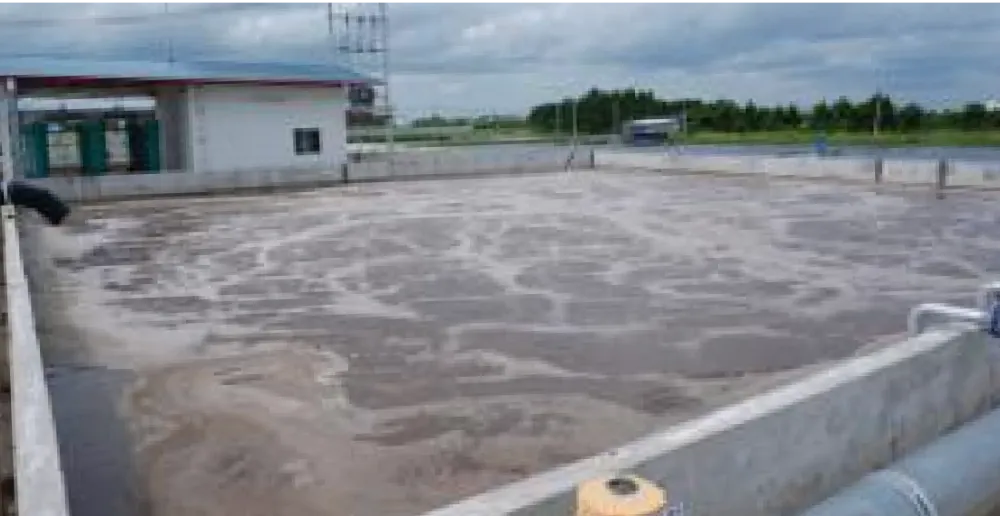
บริษัทฯ ตระหนักถึงความสำคัญของแหล่งน้ำธรรมชาติที่เป็นทั้งแหล่งอุปโภคบริโภค แหล่งน้ำเพื่อการเกษตรทั้งการทำนาและปลูกพืชผัก ซึ่งมีการต่อท่อทำท้องร่องเพื่อผันน้ำมาใช้ประโยชน์ในการเพาะปลูก และถิ่นอาศัยของสิ่งมีชีวิตในระบบนิเวศน้ำจืดของชุมชนโดยรอบที่ส่วนใหญ่ประกอบอาชีพเกษตรกร อาทิ สระมณีรัชกิจ ซึ่งมีความเชื่อมโยงโดยตรงต่อคุณภาพชีวิตของประชาชนและความหลากหลายทางชีวภาพในพื้นที่ บริษัทฯ จึงกำหนดเป้าหมาย “Zero Discharge” ไม่มีการระบายน้ำเสียจากกระบวนการผลิตลงสู่แหล่งน้ำธรรมชาติตลอดระยะเวลาการดำเนินงาน เพื่อป้องกันไม่ให้กิจกรรมทางอุตสาหกรรมส่งผลกระทบต่อคุณภาพน้ำ และความสมบูรณ์ของระบบนิเวศโดยรอบพื้นที่โรงงาน บริษัทฯ จึงบริหารจัดการน้ำอย่างมีประสิทธิภาพ โดยนำน้ำที่ผ่านการบำบัดกลับมาใช้ในกระบวนการผลิตในสัดส่วนร้อยละ 100 พร้อมควบคุม ตรวจสอบ และบำรุงรักษาระบบบำบัดน้ำเสียและระบบท่ออย่างสม่ำเสมอ เพื่อป้องกันการรั่วไหลและลดความเสี่ยงต่อการปนเปื้อนสู่สิ่งแวดล้อม แนวทางดังกล่าวช่วยรักษาคุณภาพน้ำสำหรับการเกษตรและการอุปโภคบริโภค ควบคู่กับการคงความสมดุลของระบบนิเวศน้ำจืด สนับสนุนการดำรงอยู่ของชนิดพันธุ์ท้องถิ่นและความต่อเนื่องของห่วงโซ่อาหาร
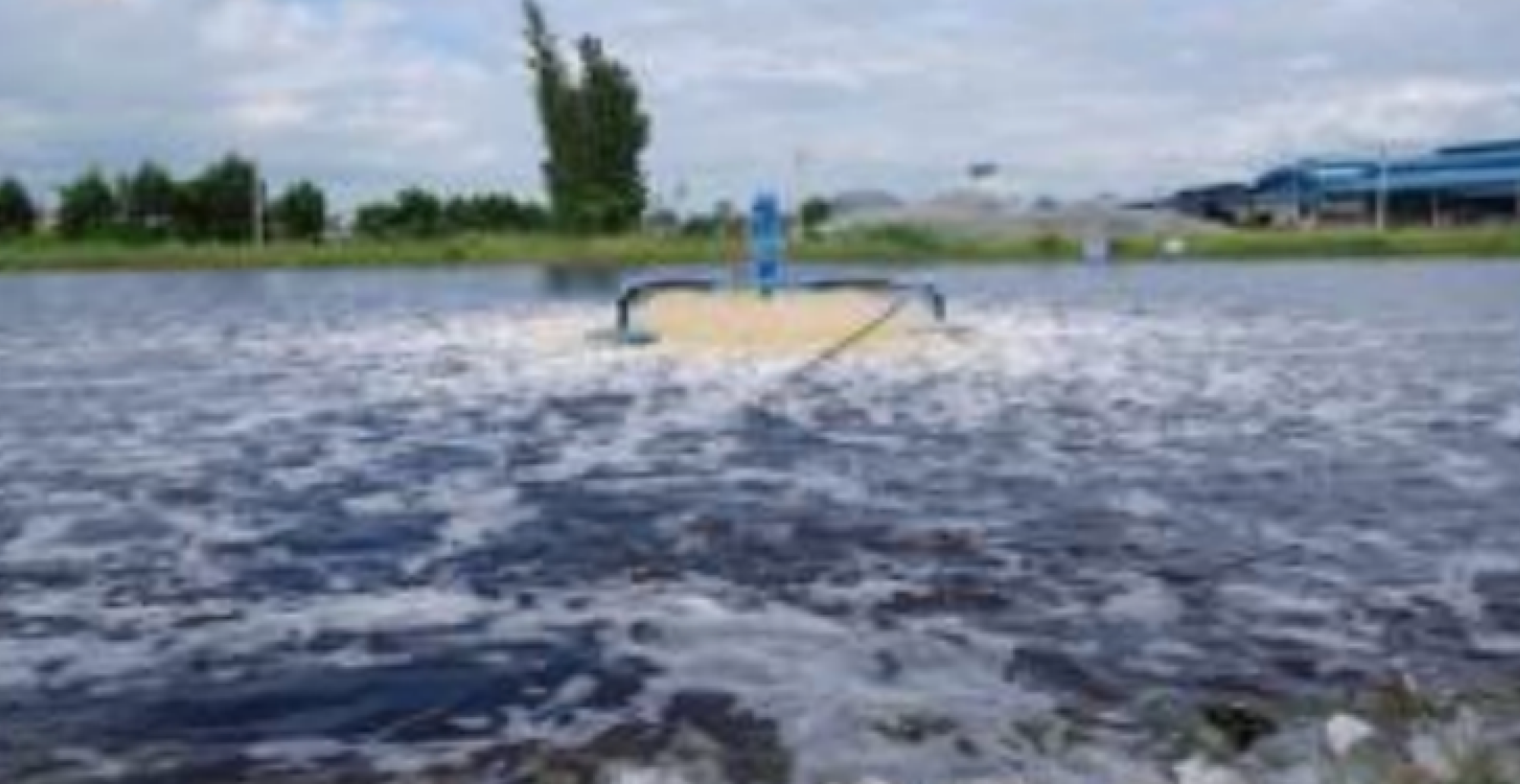
การเพิ่มพื้นที่สีเขียวภายในสถานประกอบการ

บริษัทฯ ให้ความสำคัญกับการเพิ่มพื้นที่สีเขียวภายในสถานประกอบการ เพื่อปรับปรุงสภาพแวดล้อมโดยรอบ ลดผลกระทบจากการดำเนินงาน และสนับสนุนระบบนิเวศในระดับพื้นที่ โดยนับตั้งแต่ปี 2562 จนถึงปัจจุบัน บริษัทฯ ได้ดำเนินการปลูกต้นไม้โดยรอบสถานประกอบการและบริเวณโดยรอบแหล่งน้ำภายในพื้นที่ ครอบคลุมพื้นที่รวมจำนวน 2 ไร่ รวมทั้งสิ้น 710 ต้น ประกอบด้วยพันธุ์ไม้หลากหลายชนิด เช่น ประดู่ มะยม ตะแบก สัก ยางนา และสนประดิพัทธ์
พื้นที่สีเขียวดังกล่าวมีบทบาทเป็นแนวกันชนทางธรรมชาติที่ช่วยลดการรบกวนต่อพื้นที่โดยรอบสถานประกอบการ เช่น ลดการฟุ้งกระจายของฝุ่น ลดแรงลมที่พัดผ่านเข้าสู่พื้นที่โรงงาน และช่วยบรรเทาการแพร่กระจายของกลิ่นจากกระบวนการผลิตยางพาราออกสู่ภายนอกพื้นที่ปฏิบัติงาน สำหรับบริเวณโดยรอบแหล่งน้ำภายในสถานประกอบการ บริษัทฯ ได้ปลูกต้นไม้และดูแลพื้นที่สีเขียวโดยรอบ เพื่อช่วยชะลอการไหลบ่าของน้ำผิวดิน และลดการพัดพาตะกอนจากพื้นที่โดยรอบลงสู่แหล่งน้ำ นอกจากนี้ ต้นไม้และพืชพรรณโดยรอบพื้นที่ยังช่วยปรับปรุงภูมิทัศน์ เพิ่มร่มเงา และสามารถใช้เป็นพื้นที่สำหรับการพักผ่อนของพนักงาน
ในระยะต่อไป บริษัทฯ อยู่ระหว่างการศึกษาความเหมาะสมของโครงการก่อสร้างโรงงาน STR3 และการวางแผนเพิ่มพื้นที่สีเขียวเพิ่มเติมจำนวน 1 ไร่ โดยมีเป้าหมายปลูกไม้ยืนต้นเพิ่มอีก 300 ต้น ภายในปี 2569 การออกแบบพื้นที่สีเขียวดังกล่าวจะพิจารณาให้สอดคล้องกับลักษณะการใช้ประโยชน์พื้นที่ ช่วยลดผลกระทบจากการดำเนินงาน และเพิ่มคุณภาพสภาพแวดล้อมภายในสถานประกอบการ

การส่งเสริมความรู้ความเข้าใจเรื่องความหลากหลายทางชีวภาพ
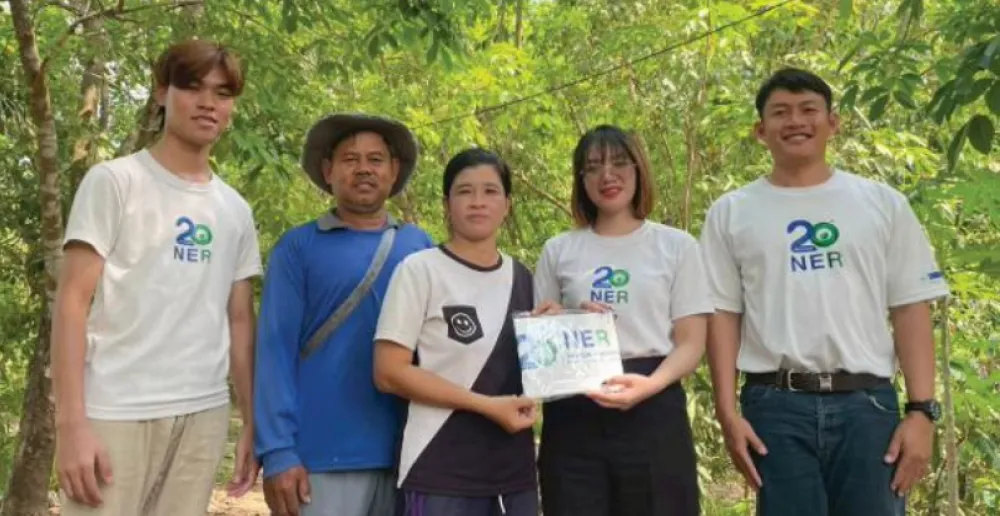
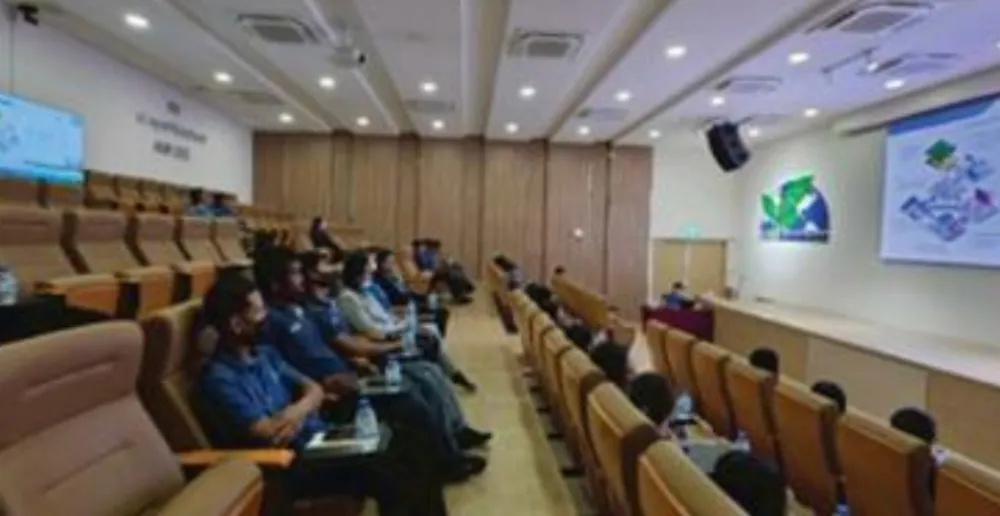
บริษัทฯ ส่งเสริมการอนุรักษ์ความหลากหลายทางชีวภาพและระบบนิเวศในพื้นที่โดยรอบ จึงได้จัดอบรมแก่พนักงานทุกฝ่ายงาน ตั้งระดับปฏิบัติการไปจนถึงระดับหัวหน้างาน รวมจำนวน 180 คน หรือร้อยละ 18.71 ของพนักงานทั้งหมด เป็นระยะเวลา 3 เดือน (กันยายน–พฤศจิกายน 2568) จำนวน 6 ครั้ง ในสัปดาห์ที่ 2 และสัปดาห์ที่ 4 ของแต่ละเดือน ในรูปแบบบรรยายเชิงปฏิบัติการ (Workshop) โดยมี นายเศรษฐการ สุริโย ผู้จัดการฝ่ายความยั่งยืนของบริษัทฯ เป็นวิทยากร เนื้อหาการอบรมเกี่ยวกับการอนุรักษ์ดินและแหล่งน้ำ การลดผลกระทบต่อระบบนิเวศ การรักษาถิ่นอาศัยของสิ่งมีชีวิต การใช้ทรัพยากรอย่างมีประสิทธิภาพ การจัดการของเสียและสารเคมีอย่างเหมาะสม รวมถึงแนวทางการจัดการสวนยางที่เป็นมิตรต่อสิ่งแวดล้อมตามมาตรฐานของการยางแห่งประเทศไทย (กยท.) และการสนับสนุนการใช้กรดฟอร์มิกในการทำให้ยางจับตัว ซึ่งเป็นกรดอินทรีย์ที่สามารถย่อยสลายได้ตามธรรมชาติ ช่วยลดความเสี่ยงของสารตกค้างในดินและแหล่งน้ำจากการใช้สารเคมีสังเคราะห์ต่างๆ
ภายหลังได้รับการอบรม พนักงานมีความเข้าใจและตระหนักถึงบทบาทของตนในการมีส่วนร่วมอนุรักษ์ทรัพยากรธรรมชาติและลดผลกระทบต่อสิ่งแวดล้อมจากการดำเนินงานมากขึ้น ทั้งในด้านการใช้ทรัพยากรอย่างคุ้มค่า การลดการใช้วัสดุสิ้นเปลือง การคัดแยกและจัดการของเสีย ตลอดจนการปฏิบัติงานที่คำนึงถึงผลกระทบต่อดิน น้ำ และระบบนิเวศโดยรอบ นอกจากนี้ พนักงานที่มีหน้าที่ประสานงานและลงพื้นที่พบปะเกษตรกร ยังสามารถนำความรู้ที่ได้ไปถ่ายทอดและให้คำแนะนำแก่เกษตรกรได้อย่างถูกต้อง ส่งเสริมการทำเกษตรที่เป็นมิตรต่อสิ่งแวดล้อมและลดความเสี่ยงต่อสุขภาพของผู้ใช้งาน รวมถึงช่วยเสริมสร้างความสัมพันธ์อันดีระหว่างบริษัทฯ กับชุมชนและเกษตรกรในห่วงโซ่อุปทาน
ความร่วมมือภายนอกเพื่อสนับสนุนการอนุรักษ์และบริหารจัดการความหลากหลายทางชีวภาพ
การยกระดับการบริหารจัดการความหลากหลายทางชีวภาพร่วมกับ BEDO
บริษัทฯ เล็งเห็นถึงความสำคัญของการยกระดับการดำเนินงานด้านความหลากหลายทางชีวภาพอย่างเป็นระบบ จึงอยู่ระหว่างการเตรียมความพร้อมเพื่อสมัครเข้าเป็นสมาชิกในโครงการของสำนักงานพัฒนาเศรษฐกิจจากฐานชีวภาพ (องค์การมหาชน) หรือ Biodiversity-based Economy Development Office (Public Organization) เพื่อพัฒนาแนวทางการบริหารจัดการด้านความหลากหลายทางชีวภาพและสิ่งแวดล้อมให้มีความเหมาะสมกับบริบทการดำเนินธุรกิจของบริษัทฯ มากยิ่งขึ้น โดยการเข้าร่วมโครงการจะช่วยให้บริษัทฯ ได้รับองค์ความรู้ แนวทางปฏิบัติ และข้อเสนอแนะจากหน่วยงานผู้เชี่ยวชาญ เพื่อนำมาประยุกต์ใช้ในการสำรวจ ประเมิน และจัดการผลกระทบต่อทรัพยากรธรรมชาติและระบบนิเวศในพื้นที่โดยรอบการดำเนินงานได้ในอนาคต
นอกจากนี้ บริษัทฯ ยังสามารถนำข้อมูลและแนวทางที่ได้รับจากโครงการมาใช้ประกอบการวางแผนและพัฒนามาตรการด้านสิ่งแวดล้อม การส่งเสริมการใช้ทรัพยากรอย่างเหมาะสม ตลอดจนการสร้างการมีส่วนร่วมกับพนักงาน ชุมชน และผู้มีส่วนได้เสียในห่วงโซ่อุปทาน ซึ่งช่วยสนับสนุนการดำเนินธุรกิจตามแนวทาง ESG และเสริมสร้างความเชื่อมั่นต่อการดำเนินงานด้านสิ่งแวดล้อมของบริษัทฯ มากยิ่งขึ้น
เครือข่ายภาคเอกชนร่วมกับส่วนราชการท้องถิ่น
ในปี 2569 บริษัทฯ มีแผนเข้าร่วมเป็นเครือข่ายภาคเอกชนร่วมกับส่วนราชการชุมชนอำเภอประโคนชัย สำนักงานพัฒนาชุมชนอำเภอประโคนชัย ผ่านโครงการชุมชนเข้มแข็ง “เศรษฐกิจฐานรากมั่นคง ชุมชนเข้มแข็งอย่างยั่งยืน ด้วยหลักปรัชญาของเศรษฐกิจพอเพียง” ร่วมศึกษาและจัดทำฐานข้อมูลชนิดพันธุ์พืชและสัตว์ในพื้นที่ดำเนินงาน เพิ่มสัดส่วนและพัฒนาพื้นที่สีเขียวด้วยพรรณไม้ท้องถิ่น สนับสนุนการฟื้นฟูพื้นที่เสื่อมโทรมร่วมกับชุมชน เข้าร่วมภาคีเครือข่ายเพื่อยกระดับมาตรฐานการอนุรักษ์ ตลอดจนพัฒนาระบบติดตามการใช้สารเคมีของคู่ค้าและศึกษาแนวทางประเมินความเสี่ยงต่อระบบนิเวศ เพื่อเสริมสร้างการดำเนินธุรกิจที่มีความรับผิดชอบและรักษาความหลากหลายทางชีวภาพในพื้นที่อย่างยั่งยืน
การติดตามประสิทธิผลของมาตรการบริหารจัดการความหลากหลายทางชีวภาพ
บริษัทฯ ติดตามผลและประเมินประสิทธิผลของมาตรการบริหารจัดการความหลากหลายทางชีวภาพ โดยครอบคลุมกิจกรรมและปัจจัยที่อาจส่งผลต่อดิน น้ำ และระบบนิเวศโดยรอบพื้นที่ปฏิบัติงาน รวมถึงความเสี่ยงด้านการใช้ที่ดินในห่วงโซ่อุปทานต้นน้ำ ได้แก่ การควบคุมน้ำเสีย สารเคมี ของเสีย และมลพิษจากกระบวนการผลิต การดูแลพื้นที่สีเขียวและแหล่งน้ำภายในสถานประกอบการ การตรวจสอบย้อนกลับแหล่งที่มาของวัตถุดิบยางธรรมชาติ และการรับฟังข้อร้องเรียนหรือข้อเสนอแนะจากผู้มีส่วนได้เสีย โดยมีการติดตามดังนี้
| ประเด็นการติดตาม | การติดตามและตัวชี้วัด |
|---|---|
| การบริหารจัดการน้ำ น้ำเสีย และแหล่งน้ำภายในพื้นที่ |
|
| การเพิ่มและดูแลพื้นที่สีเขียวภายในสถานประกอบการ |
|
| การจัดหาวัตถุดิบและห่วงโซ่อุปทานต้นน้ำ |
|
| ข้อร้องเรียนและข้อเสนอแนะด้านสิ่งแวดล้อมจากชุมชน |
|
ทั้งนี้ บริษัทฯ มอบหมายให้คณะทำงานด้านสิ่งแวดล้อมเป็นผู้รับผิดชอบในการรวบรวม วิเคราะห์ และติดตามผลการดำเนินงานตามประเด็นข้างต้น รวมถึงรายงานผลต่อประธานคณะทำงานการพัฒนาความยั่งยืนองค์กรเป็นประจำทุกเดือน เพื่อนำผลการติดตามไปใช้ทบทวน ปรับปรุง และพัฒนามาตรการบริหารจัดการผลกระทบด้านความหลากหลายทางชีวภาพให้เหมาะสมกับบริบทของบริษัทฯ ต่อไป โดยประเด็นที่มีนัยสำคัญหรืออาจส่งผลต่อความเสี่ยงและกลยุทธ์ของบริษัทฯ จะถูกรายงานต่อคณะกรรมการกำกับดูแลกิจการที่ดีและการพัฒนาอย่างยั่งยืนตามโครงสร้างการกำกับดูแลการบริหารจัดการผลกระทบและการทบทวนประสิทธิผลของกระบวนการจัดการดังกล่าว
| เป้าหมายระยะยาว ปี 2573 |
เป้าหมาย ปี 2568 |
ผลการดำเนินงาน ปี 2568 |
|
|---|---|---|---|
| สัดส่วนของวัตถุดิบที่มาจากแหล่งที่ปลอดการตัดไม้ทำลายป่า | ร้อยละ 50 | ร้อยละ 15 | ร้อยละ 0.36 |
| สัดส่วนผลิตภัณฑ์ที่สามารถตรวจสอบย้อนกลับข้อมูลของผลิตภัณฑ์ได้ ต่อผลิตภัณฑ์ทั้งหมดที่จำหน่าย | ร้อยละ 50 | ร้อยละ 10 | ร้อยละ 7.07 |